Fitness Products That Feel Like They’re Working But Probably Aren’t
A look at three gym trends that promise more than the science can back up
Fitness Products That Feel Like They’re Working But Probably Aren’t
A look at three gym trends that promise more than the science can back up
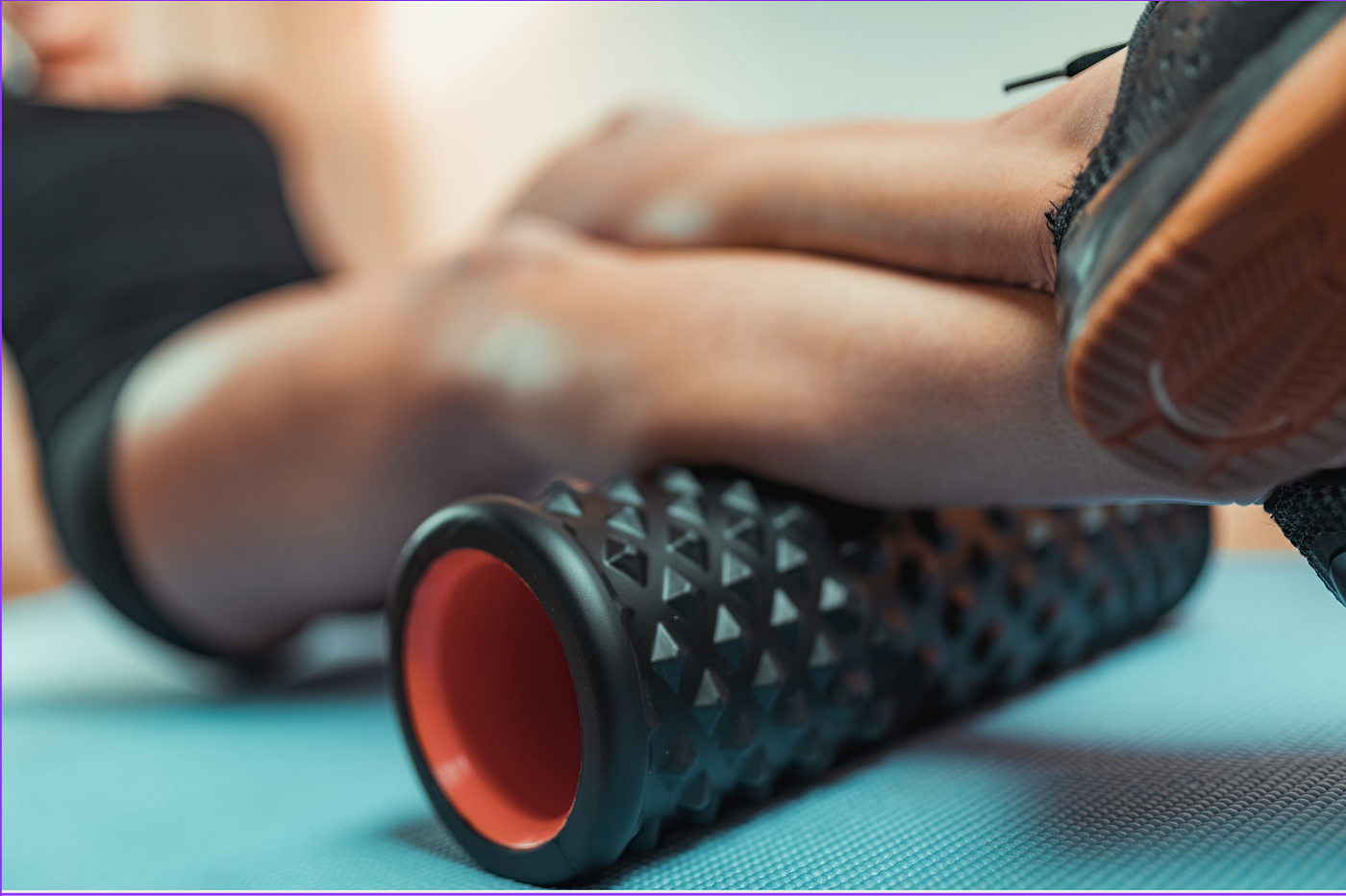
Photo from Canva
It’s hard to ignore the bank of TV screens hanging above the cardio equipment when you’re getting your sweat on at my gym.
Among the local ads and sport highlights, a new commercial for a fitness gadget caught my attention: a nasal dilator. It’s a slick ad with super fit men and women working out after snapping a U-shaped device over the sides of their nostrils.
I wondered: could a gadget that makes me look like a raging bull actually improve my workouts?
Here’s what I found.
Spoiler alert: no, but with one caveat.
Originally designed for motocross, the company claims that it opens nasal passages wider than traditional Breathe Right-style strips, which pull across the bridge of the nose.
They claim that nose breathing during activity “boosts oxygen absorption, lowers heart rate, and optimizes performance.” It also says even a physiologically perfect nose can’t deliver enough oxygen during increased heart rates.
Science says that’s not quite the whole story.
No(se) advantage
There’s no question the device opens the nose. The real question is whether flared nostrils translate to better performance in healthy people.
A 2020 review and meta-analysis that screened over 600 studies found no significant difference in VO2 max, heart rate or perceived exertion in healthy people using nasal dilators. And follow-up research comparing dilators to a placebo condition found the same thing.
The reason: your mouth automatically compensates when nasal breathing becomes insufficient. In short, the body’s response isn’t bottlenecked by the nose.
One exception was reported in a 2023 study among athletes with restricted nasal passages. Internal nasal dilators improved VO2max, aerobic performance, and self-reported fatigue — but only in the group with actual nasal obstruction, not those with normal nasal anatomy.
Bottom line: magnetic nasal strips may help you breathe easier if you have sinus issues or problems sleeping. Otherwise, save your money.
Shut up and lift
Another TikTok trend, mouth taping, falls into the same nasal-breathing obsession as nose clips.
While most of us wish we could legally apply this tape to the mouths of people who insist on talking to us during a workout, taping your own mouth is reported to provide actual workout benefits.
Like many trends, this one started with a science-based premise that got stretched into a far more outlandish claim. The recognition that increased nitric oxide uptake via nasal breathing may be clinically relevant in some patient populations turned into a “tape your mouth shut at the gym” narrative.
That’s a giant leap by any standards.
A 2024 study in BMC Sports Science had 107 physically active college students perform a bench press protocol to failure. They divided the participants into three groups: nose-only breathing (with medical tape over their mouths), mouth-only breathing (with a nose clip), and a mixed inhale-nose/exhale-mouth pattern.
Researchers concluded that the various breathing regimens had little to no effect on muscle endurance performance. Nose-only breathing appeared as efficient as the other two regimens.
Mouth taping didn’t hurt performance, nor did it help.
It’s worth noting, however, that there’s a real difference between nasal breathing as a practice and mouth taping as a product.
Nasal breathing has genuine support behind it regarding nitric oxide production, humidity, and filtration. But forcing it artificially during exercise is a different question entirely.
Once oral breathing occurs at high intensities, nasal strips and mouth tape lose their relevance.
The reason is simple: the nose cannot transport the same volume of air as the mouth at any exercise intensity. This becomes more apparent during high levels of exercise.
Forced nasal breathing via mouth tape is simply unnecessary for most healthy people. At high intensities, the body overrides it anyway.
Rolling away soreness
Much research supports the effect of foam rollers for post-workout recovery. They’re shown to increase joint range of motion for about 10–30 minutes, reduce delayed-onset muscle soreness (DOMS), and improve the feeling of recovery — all without reducing strength or power.
Interestingly, the effect is more neurological, not structural. A review by Behm and Wilke found that while rolling may increase local blood flow, the forces involved are unlikely to be sufficient to alter the structure of connective tissue. So the claims that foam rolling breaks up adhesions or remodels fascia don’t hold up. The effect can be explained by the nervous system, as foam rolling increases the stretch tolerance and reduces pain sensitivity.
Regardless of how they work, they remain popular both as a pre- and post-workout practice. And a number of variations of rollers have popped up — from nubby, textured rollers to vibrating rollers.
They may look interesting, but do they have an advantage over traditional rollers?
The research is thin, but the conclusion is largely no. A 2020 study involving 33 men split them into groups using smooth rollers, grid rollers, and sitting still. Both rollers cleared lactate significantly faster than the passive group within 30 minutes.
The grid did not outperform the smooth roller. The rolling motion itself cleared the lactate, not the surface texture. Textured rollers may produce more pressure and a more isolated contact area than a less dense, smooth roller. But most research shows this does not significantly result in better outcomes.
Vibrating rollers, too, don’t stand up to their marketing promises of additional benefits beyond a standard roller. The reason: the core benefit of using a foam roller comes from pressure and technique, not texture or vibration. These rollers feature an internal motor that vibrates at a specific frequency of oscillation.
Vibration adds a small sensory benefit that rarely changes long-term outcomes for typical users.
In the endless quest for products or hacks that increase strength, speed up recovery, or otherwise improve performance, it’s easy to be duped by equipment that promises such things. But often it only takes a quick search for the science behind these claims to uncover the facts. Most do no harm, aside from wasting your money. And some may help.
Do some digging, scope the research, and check reviews on reputable sites like ACEfitness.org instead of solely relying on a company’s marketing claims.
[embed]Exercises I Stopped Doing After 60 Adapting instead of pushing through painmedium.com
메타데이터
- post_id
- 43b7aec3f560
- slug
- fitness-products-that-feel-like-theyre-working-but-probably-aren-t-43b7aec3f560
- url
- https://medium.com/in-fitness-and-in-health/fitness-products-that-feel-like-theyre-working-but-probably-aren-t-43b7aec3f560
- canonical_url
- https://medium.com/in-fitness-and-in-health/fitness-products-that-feel-like-theyre-working-but-probably-aren-t-43b7aec3f560
- author_url
- https://medium.com/@linda_86854
- status
- ok
- fetched_at
- 2026-07-09 01:16:53