Why opportunities need proof, not just profiles
The internet has become one of the main places where opportunities begin. Jobs, partnerships, grants, collaborations, communities, roles…
Why opportunities need proof, not just profiles
The internet has become one of the main places where opportunities begin. Jobs, partnerships, grants, collaborations, communities, roles, networks, access, and invitations increasingly depend on how a person appears online. A profile is no longer just a profile. It can become a door. It can shape who gets noticed, who gets trusted, who gets invited, and who gets a chance to move forward.
But this creates a serious problem.
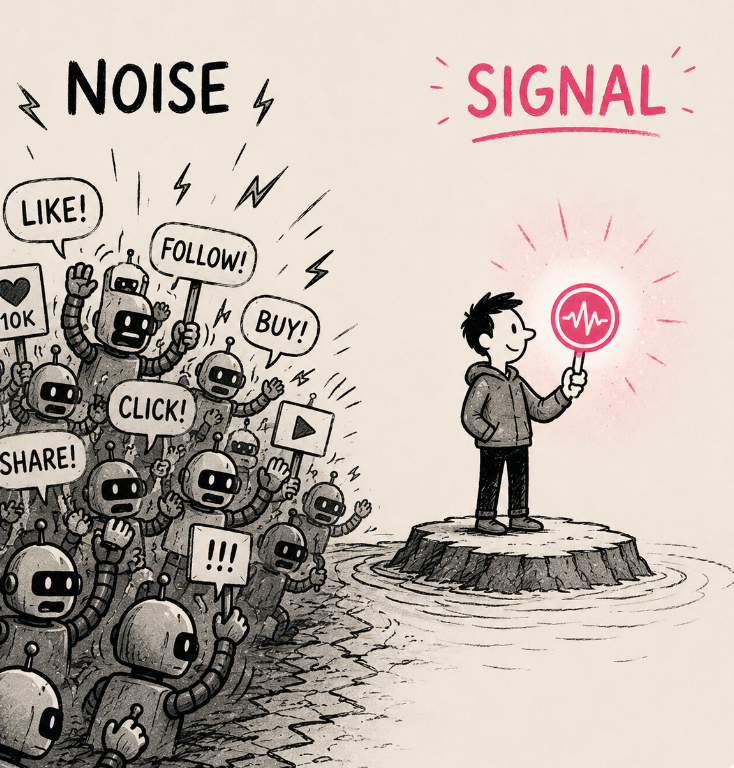
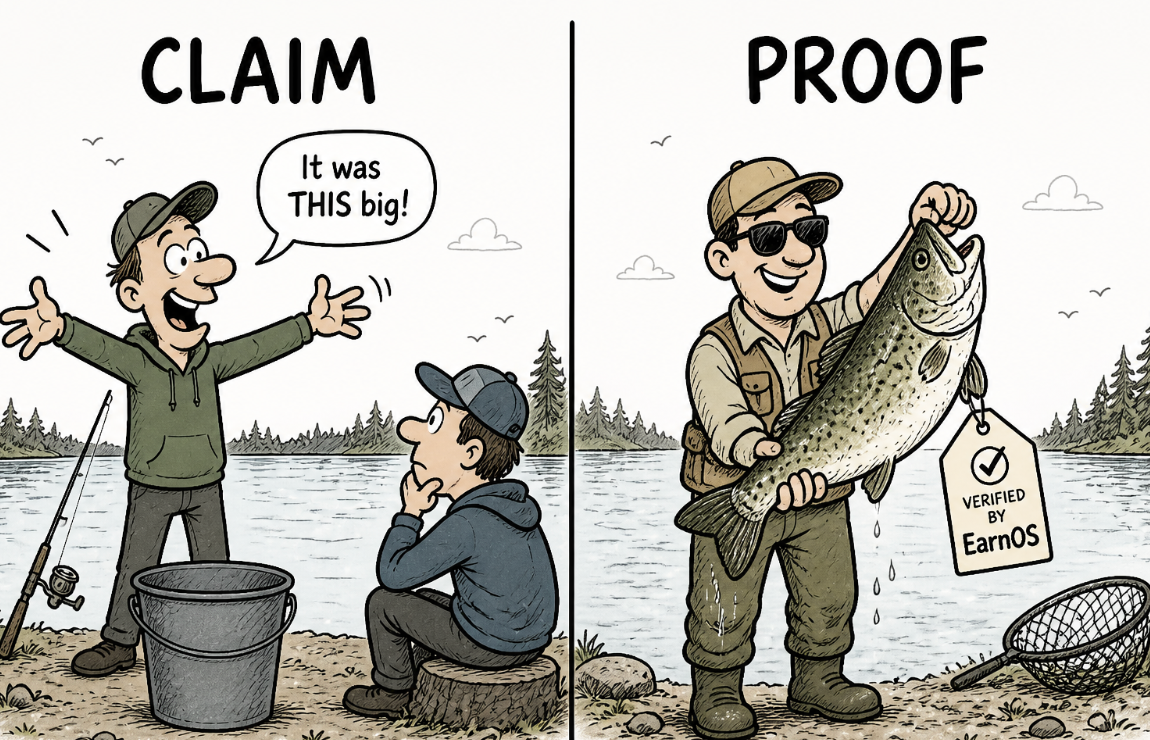
Profiles are easy to shape. Proof is harder.
A person can look ready without being ready. A person can look experienced without having a clear path behind them. A person can look trusted without having earned that trust in a way the system can actually understand. A person can look like the right choice because their digital surface is strong, polished, and easy to read.
That does not mean profiles are useless. They matter. They help people present themselves, explain their work, show their interests, and connect with others. But profiles alone are no longer enough for a digital environment where opportunities are increasingly distributed through online signals.
Because when opportunities depend too much on profiles, they often move toward the people who look best online, not necessarily toward the people with the strongest real foundation.
That is why opportunities need proof, not just profiles.
A profile shows the surface
A profile is a useful starting point. It tells people who someone says they are, what they want to show, what they claim to have done, and how they want to be understood.
But a profile is still a surface.
It can show a title. It can show a bio. It can show achievements. It can show interests. It can show a network. It can show a story.
But it does not always show what is behind that story.
That is the gap.
The modern internet is very good at helping people build a version of themselves. Sometimes that version is honest and useful. Sometimes it is exaggerated. Sometimes it is carefully polished. Sometimes it is mostly performance.
The problem is not that people present themselves. Everyone does. The problem is that opportunities often depend on signals that are too easy to polish.
And when the profile becomes stronger than the proof behind it, the system starts making weaker decisions.
Opportunities need stronger signals
An opportunity is not just attention. It has consequences.
When someone gets a job, someone else may not. When someone receives a grant, resources move in their direction. When someone is invited into a community, trust is extended. When someone becomes a collaborator, other people depend on them. When someone receives access, the system gives them a new level of possibility.
That means opportunities should not depend only on how convincing someone looks.
They need stronger signals.
Signals that show what someone has actually done. Signals that show where they participated. Signals that show which milestones they passed. Signals that show what kind of contribution they made. Signals that show whether their path has real grounding.
This is not about removing judgment. Human judgment still matters. Context still matters. Story still matters. But judgment becomes better when it is supported by proof.
A profile can say, “I am ready.” Proof can show why.
Why this matters now
This matters more now because the internet has become much better at producing the appearance of readiness.
It is easier to write a strong bio. It is easier to frame small experience as major progress. It is easier to borrow the language of expertise. It is easier to look connected. It is easier to create the impression of momentum. It is easier to appear credible before that credibility has been earned.
Again, this does not mean every profile is fake. The problem is not individual dishonesty. The problem is that the environment rewards presentation so strongly that presentation can start to outrun reality.
And once that happens, opportunities become less fair.
The person with the clearest proof may be overlooked. The person with the best packaging may be selected. The person with real progress may be less visible than the person with a better digital performance.
That is bad for individuals, but it is also bad for the whole system.
Because a digital environment that distributes opportunities through weak signals becomes less accurate over time.
The difference between looking ready and being ready
This difference is becoming more important.
Looking ready is about presentation. Being ready is about foundation.
Looking ready can come from a polished profile, strong language, good design, good timing, and social signals.
Being ready comes from work, participation, learning, contribution, follow-through, experience, and verified progress.
The old internet often mixed these together. If someone looked ready, that was often enough to give them a first layer of trust.
The next internet needs to be better than that.
It needs to ask not only:
Who looks ready?
But also:
What supports that readiness?
That is a much healthier question. It does not punish people for presenting themselves well. It simply makes presentation less powerful than proof.
Where EarnOS comes in
This is where EarnOS becomes important.
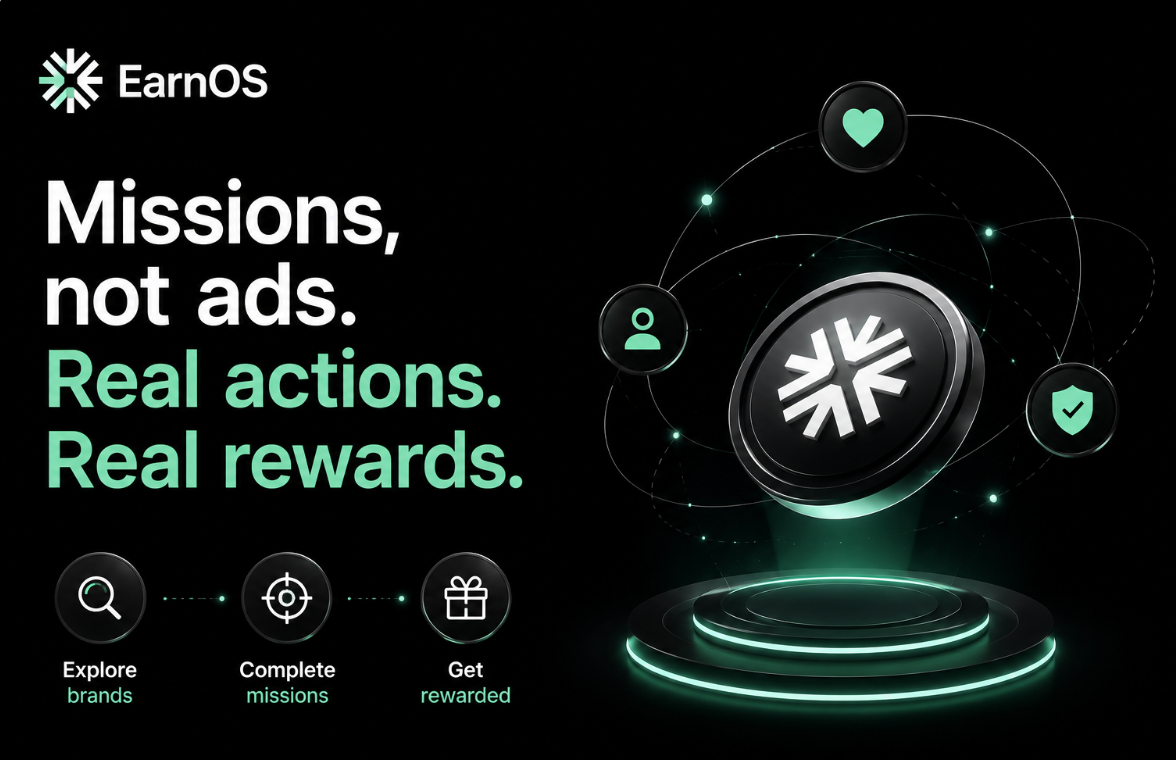
EarnOS is not only about making achievements visible. It is about helping important parts of a person’s digital path become verifiable. Achievements, milestones, participation, interests, reputation, and opportunities all become stronger when they are connected to something real.
That matters because opportunities should not be based only on self-presentation.
EarnOS points toward an internet where the question is not only:
“Who has the best profile?”
But:
“Whose path can actually be trusted?”
That is a different standard.
A profile can be written. A path has to be lived.
A profile can be polished. A path leaves evidence.
A profile can create an impression. Proof gives that impression weight.
This is why EarnOS matters. It helps move the internet from profile-based trust toward proof-based opportunity.
Why this matters for people
For people, proof can make opportunity more fair.
A person who has done real work should not have to lose only because someone else is better at packaging their story. A person who has passed real milestones should not be invisible just because their profile is less polished. A person who has contributed consistently should not be treated the same as someone who only knows how to sound impressive.
Verifiable signals can help people show their path more clearly.
Not by replacing their story, but by strengthening it.
The story still matters. The context still matters. The motivation still matters. But when important parts of that story can be verified, the person is no longer depending only on trust in their words.
They can show:
This is what I did. This is where I participated. This is what I built. This is what I contributed. This is what I earned.
That can make opportunity more connected to real progress.
Why this matters for communities
Communities also need proof.
A community often has to decide who to invite, who to trust, who to promote, who to give responsibility to, and who to open doors for. If those decisions are based only on profiles, the community can easily reward the wrong signals.
The loudest person may look most valuable. The most polished person may look most ready. The best self-promoter may look most trusted.
But communities are healthier when they can remember real contribution.
Who showed up? Who helped? Who learned? Who built? Who followed through? Who earned trust over time?
Those are milestone questions. And if those milestones become more verifiable, communities get a better memory system.
That is not just useful. It is necessary.
Because without trusted memory, communities become vulnerable to performance.
Why this matters for brands and teams
Brands and teams also rely on digital signals when they choose who to work with. They look at profiles, audiences, past work, reputation, visible activity, social proof, and professional claims.
But if those signals are mostly surface-level, the decision becomes risky.
A collaborator can look stronger than they are. A partner can look more trusted than they are. A creator can look more influential than they are. A candidate can look more experienced than they are.
Proof does not remove risk completely. But it improves the quality of the signal.
It helps brands and teams ask better questions.
Not only: does this person look good? But: what is behind that image?
Not only: does this profile seem strong? But: what has actually been verified?
Not only: does this person claim progress? But: what parts of that path can be trusted?
That is a better foundation for opportunity.
Profiles will not disappear
This does not mean profiles will disappear. They should not.
Profiles are human. They allow people to tell stories, express direction, show taste, explain motivation, and present a coherent version of themselves.
The problem is not the profile.
The problem is when the profile becomes the main proof.
A better internet does not remove profiles. It makes them stronger by connecting them to verifiable signals.
A profile with no proof is just a story. A profile with proof becomes a stronger map of a person’s path.
That is the shift.
Not from profile to no profile. But from profile as performance to profile as a doorway into verified progress.
The bigger shift
The bigger shift is from opportunity based on appearance to opportunity based on grounded progress.
The old internet often asked:
Who looks impressive?
The next internet should ask:
Who has proof behind the path?
That question matters because opportunities shape the future. They decide who gets access, who gets resources, who gets trust, and who gets to move forward.
If opportunities are distributed through weak signals, the whole system becomes less fair and less accurate.
But if opportunities are connected to verified progress, the internet becomes better at recognizing real human movement.
That is the future EarnOS points toward.
Conclusion
Opportunities need proof, not just profiles.
Because profiles can show a person’s story, but proof helps show what actually stands behind it.
In the next internet, it will not be enough to look ready. It will matter more and more to show why that readiness is real.
That is exactly why EarnOS matters.
Because it is helping build an environment where opportunities can be connected not only to appearance, but to verified progress.
In a world where profiles are easy to polish, the real advantage will belong to systems that can show the proof behind the path.
메타데이터
- post_id
- 44aaeb43c2d4
- slug
- why-opportunities-need-proof-not-just-profiles-44aaeb43c2d4
- url
- https://medium.com/@ny_joker_eth/why-opportunities-need-proof-not-just-profiles-44aaeb43c2d4
- canonical_url
- https://medium.com/@ny_joker_eth/why-opportunities-need-proof-not-just-profiles-44aaeb43c2d4
- author_url
- https://medium.com/@ny_joker_eth
- status
- ok
- fetched_at
- 2026-07-10 20:20:52