A Manageable Retreat, or a Red Signal?
The U.S. Decision to Withdraw from the UNFCCC
The U.S. Withdrawal from the UNFCCC: A Stress Test for Global Climate Governance and Finance
The U.S. Decision to Withdraw from the UNFCCC
On January 7, 2026, the Trump administration signed an executive memorandum directing the United States to withdraw from 66 international organizations and treaties, including the United Nations Framework Convention on Climate Change (UNFCCC).
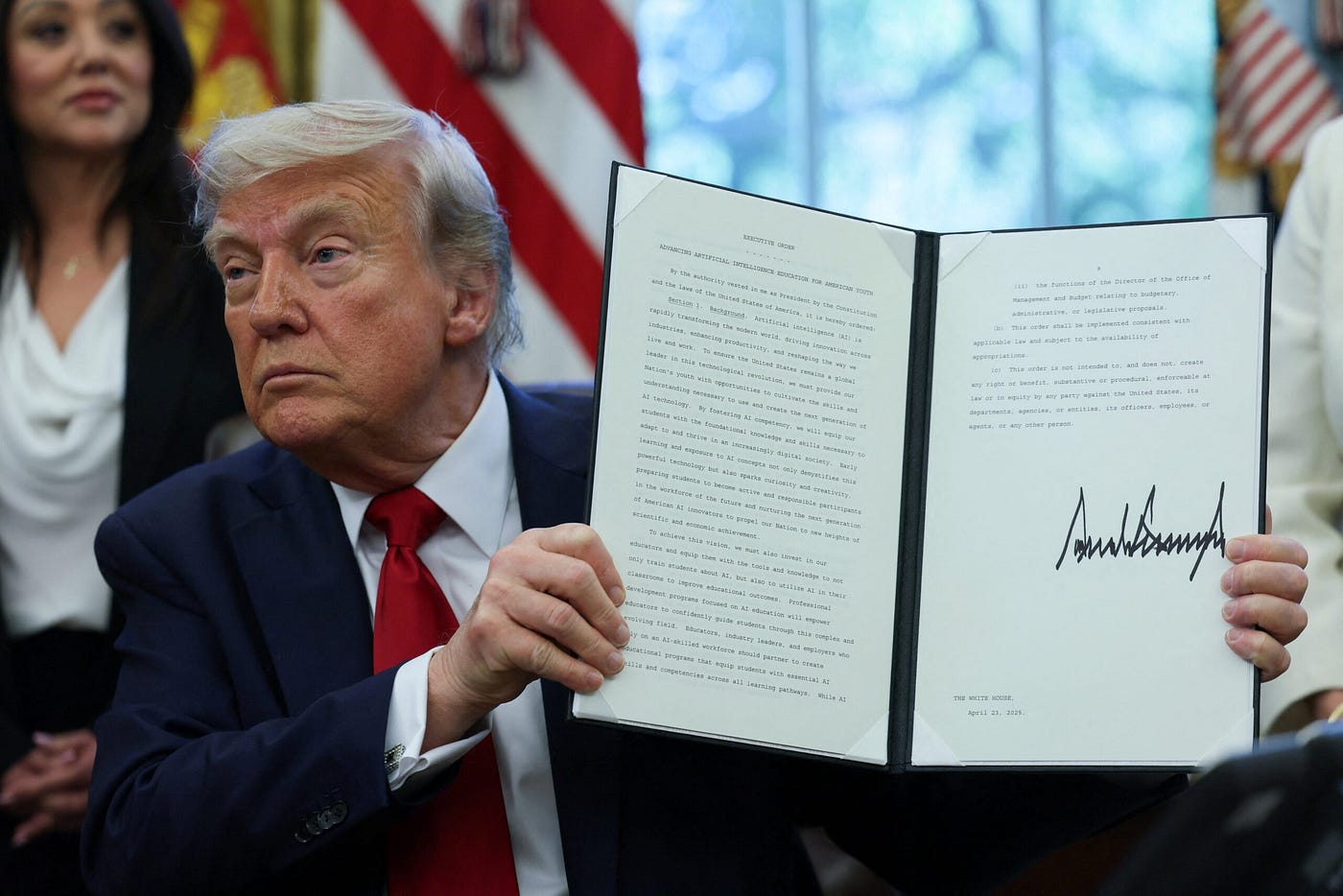
Trump signed an executive memorandum directing U.S. to withdraw from 66 international organizations and treaties in Jan, 2026
This decision has been widely interpreted as a declaration that the U.S. is once again stepping back from the key stage of international climate governance. This decision carries far more weight than a routine diplomatic headline. Climate change is no longer an issue that can be left to the policy choices of individual countries alone.
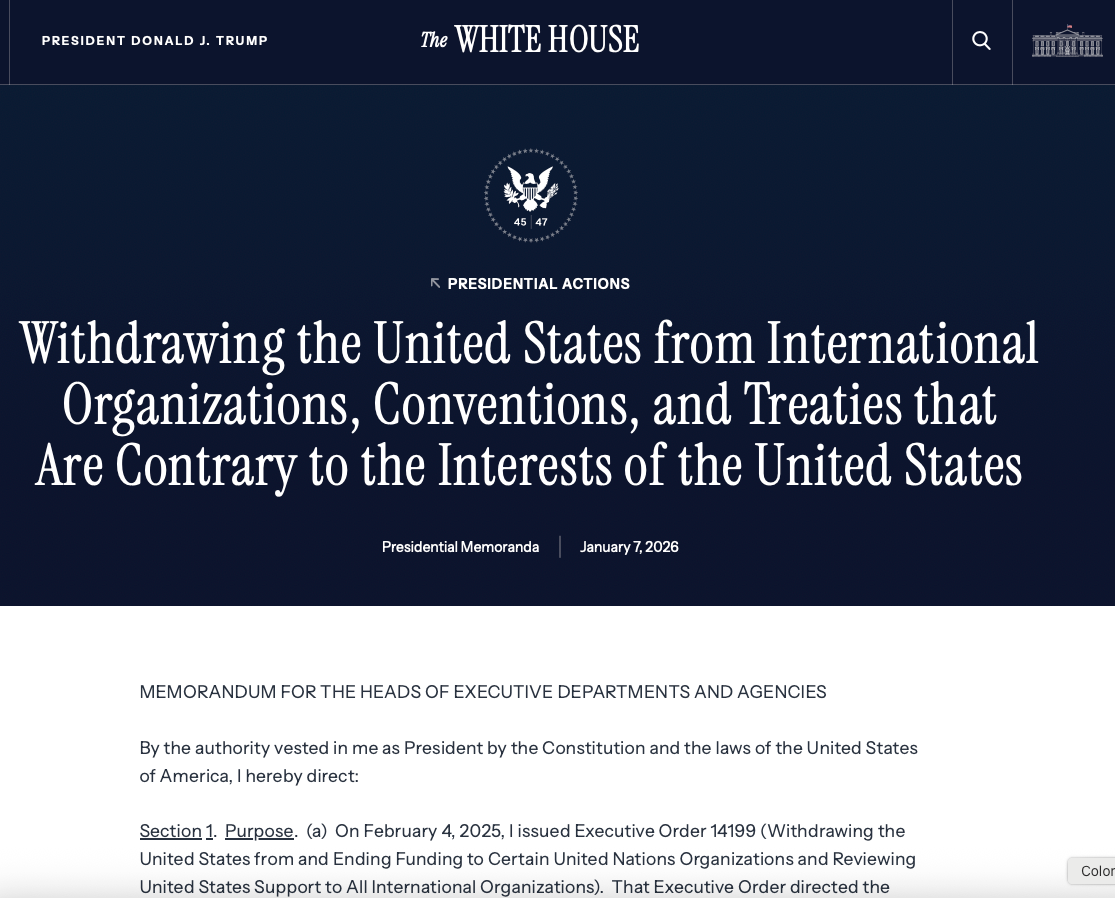
Soucre: White House, Official Statement on the Withdrawal from 66 International Organizations and Treaties (January 7, 2026)
To what extent, then, can the U.S. withdrawal actually disrupt international climate cooperation?
How Media and the Global Community Responded
Reactions from the media have been notably calm. Many analyses converge on the view that this decision will not, in the short term, halt global climate action. The transition to a low-carbon economy has already progressed beyond political declarations and has become deeply embedded in the global economy's structure.
European media outlets described the withdrawal as a “strategic blunder” in the U.S. decision (Euronews, January 8, 2026). In particular, analysts highlighted the symbolic significance of the UNFCCC exit, noting that it would deprive the U.S. of a seat and voice at the Conference of the Parties (COP) negotiating table (The Guardian, January 9, 2026).
At the Intergovernmental Panel on Climate Change (IPCC), the U.S. will also lose its ability to influence negotiations over the Summary for Policymakers. Notably, much of the criticism has focused less on fears that “the world will stop” and more on the perception that the United States is isolating itself from the international community.
If the world continues to move forward, then what exactly is the UNFCCC — and why does withdrawal matter?
What is the UNFCCC?
Adopted in 1992, the UNFCCC is often misunderstood as an organization that implements projects or enforces sanctions on countries. In reality, it functions as an international legal framework for addressing climate change — a rules-based system that enables countries to act under shared principles and procedures.
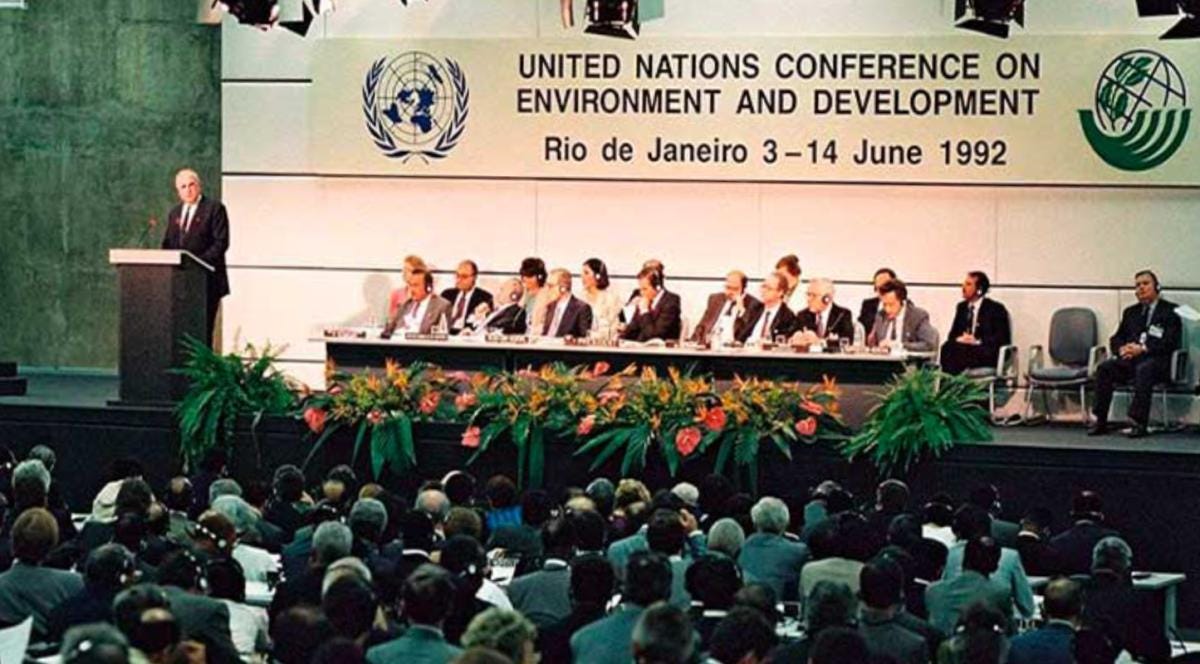
The UNFCCC was adopted and signed at the 1992 Earth Summit in Rio de Janeiro, Brazil.
Under this framework, countries report GHGs, set mitigation and adaptation targets, and cooperate through technology transfer, finance, and capacity building. The Paris Agreement, the annual Conferences of the Parties (COP), and transparency and implementation review mechanisms all operate within this structure.
Crucially, the UNFCCC does not dictate “who must reduce how much.” Instead, it is designed around Nationally Determined Contributions (NDCs), which countries voluntarily submit to the international community and implement under systems of trust and transparency.
As such, the UNFCCC’s core asset is not legal enforcement, but international trust, predictability, and shared norms of cooperation. By participating in the framework, countries have been able to design long-term climate policies and investments based on the expectation that others are operating under the same rules. For more than three decades, the UNFCCC has served as the backbone of international climate cooperation, an indispensable platform connecting science, policy, finance, and diplomacy.
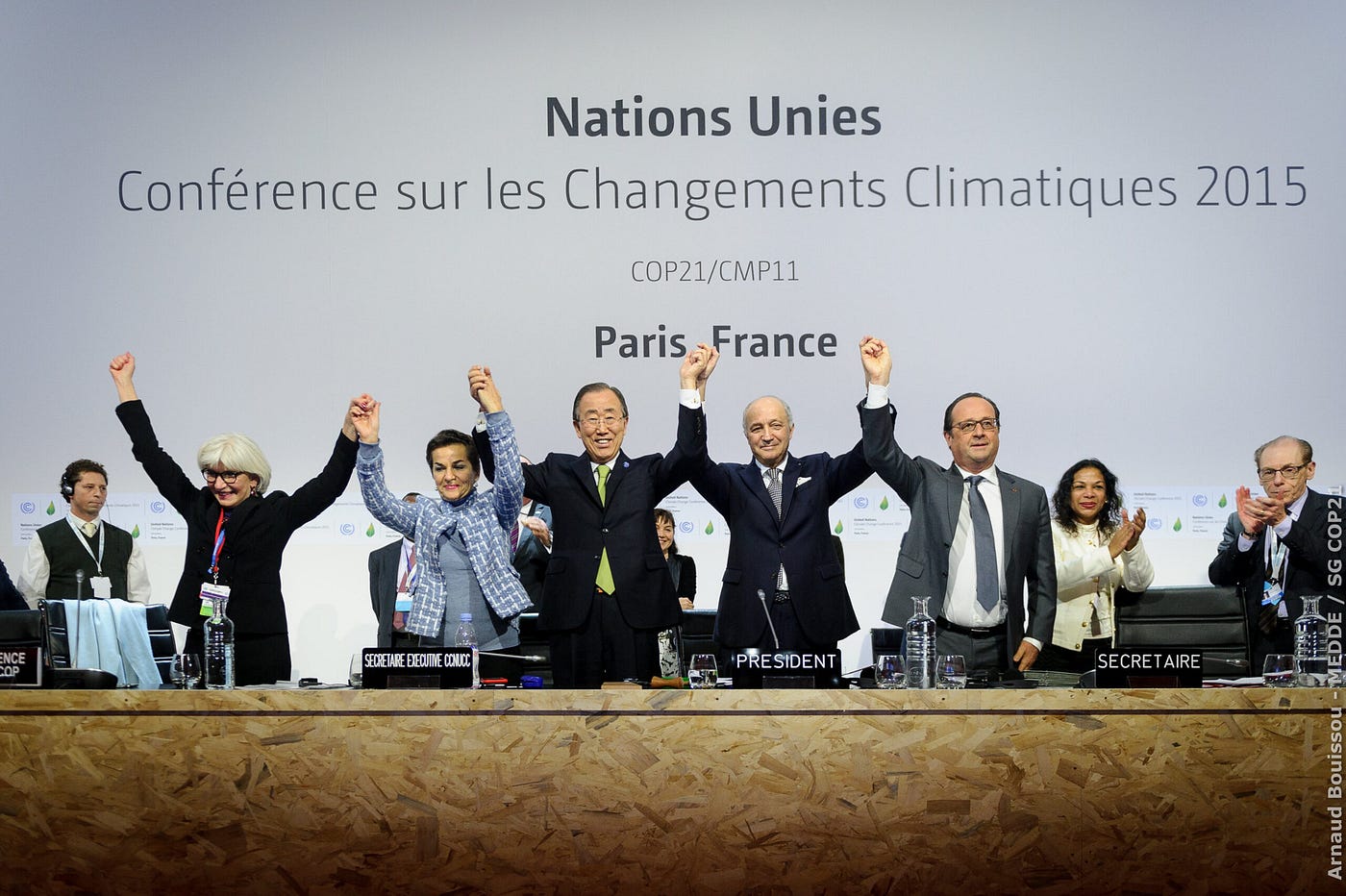
The adoption of the Paris Agreement, a turning point for international climate cooperation (2015)
Because the system operates on trust rather than coercion, the U.S. withdrawal carries significant implications.
The Real Cost of Withdrawal: Climate Finance
The most immediate impact of the U.S. withdrawal will be felt in climate finance. The United States has been a major contributor not only to the Green Climate Fund (GCF), but also to the Global Environment Facility (GEF) and other multilateral funds supporting climate action, biodiversity conservation, and environmental protection.
Climate Finance Gap: The Case of the Green Climate Fund (GCF)
To date, total pledged contributions to the GCF amount to approximately USD 29.9 billion. Of this, the United States pledged about USD 3 billion, of which roughly USD 2 billion has actually been delivered. The U.S. was the single largest contributor during the Fund’s initial resources mobilization in 2014 (USD 2 billion), but made no additional pledges during the first replenishment (GCF-1, 2019) or the second replenishment (GCF-2, 2023). As a result, the largest current pledges now come from the United Kingdom, Germany, and France.
Overall, only about USD 20–22.7 billion of pledged GCF resources have been formally confirmed and paid in, corresponding to an average fulfillment rate of roughly 70%.
This means the U.S. withdrawal risks placing additional strain not only on individual funds, but on the global climate finance architecture as a whole. The impact will be felt most acutely by developing countries with limited access to climate finance. Given the scale of U.S. investment in low-carbon transitions and climate adaptation, such gaps are difficult to fill in the short term.
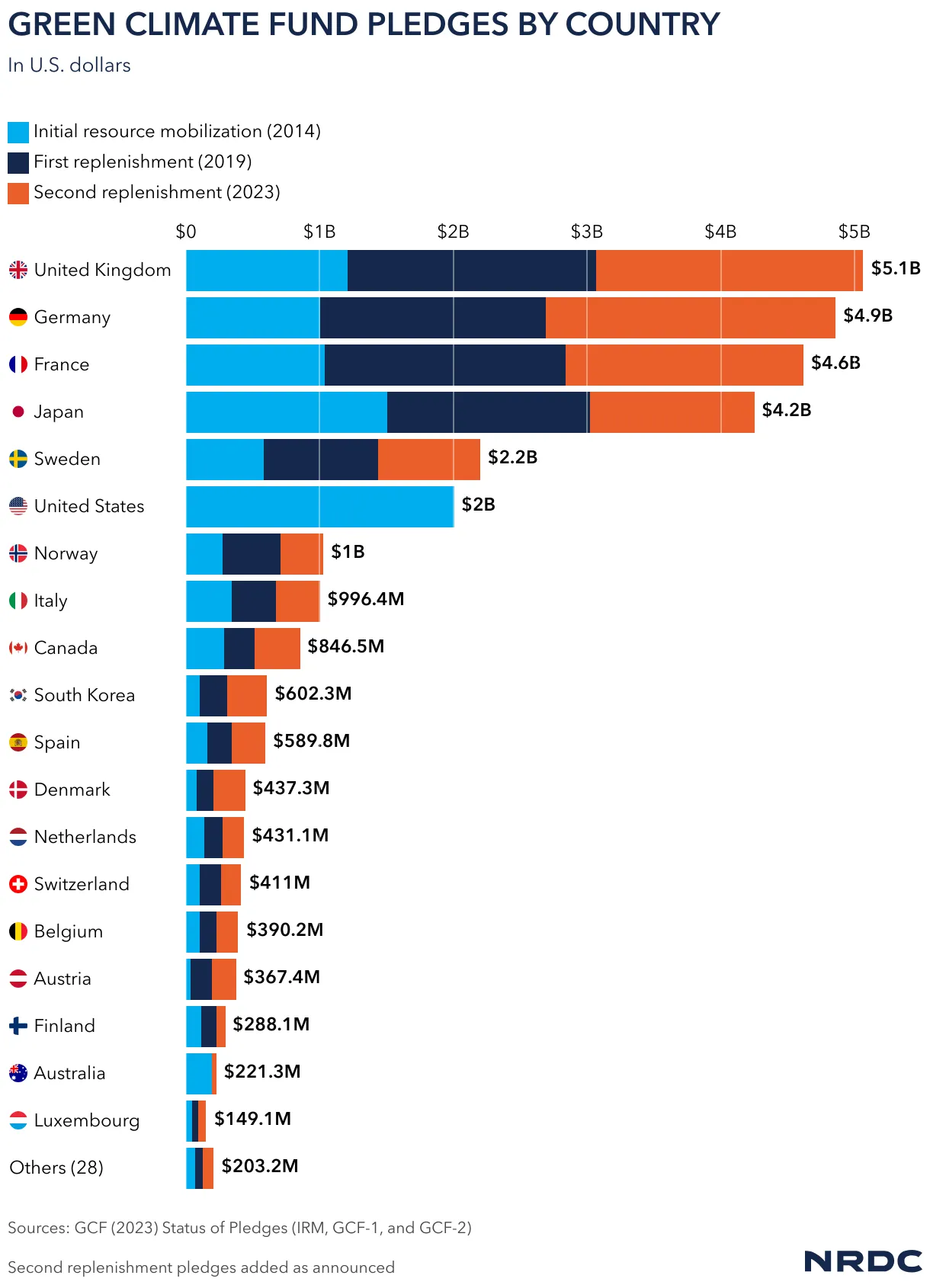
Source: NRDC Green Climate Fund Pledge Tracker, 2025
While countries such as China are already investing heavily in renewable energy, including solar power, may partially compensate through emerging climate leadership, the international community will also need to expand cooperation through multilateral development banks, private finance, and blended public-private partnerships.
So What Does Withdrawal Really Change?
The U.S. withdrawal from the UNFCCC undoubtedly introduces cracks into the framework of international climate cooperation. However, it does not signal the collapse of global climate action.
First, there is a broad and solid international consensus that climate change is being accelerated by human activity. This scientific understanding has passed the point where it can be reversed by shifts in the political stance of any single country.
Second, the transition to a low-carbon economy is no longer viewed as an environmental option, but as an economic opportunity. Investments in renewable energy, energy efficiency, and climate technologies are increasingly associated with cost reductions and profitability, trends that continue largely independent of short-term political dynamics.
Third, the international community has already experienced a previous Trump administration and the possibility of U.S. disengagement from climate policy. During that period, multilateral climate cooperation did not come to a halt. Even without U.S. participation, institutional momentum drove negotiations forward. Indeed, at COP30 in Brazil last year, the United States was officially absent, yet negotiations proceeded as scheduled.
At the same time, this decision clearly raises a warning flag for climate finance. Uncertainty has increased in a climate finance system that relies on trust and predictability. From a climate governance perspective, the withdrawal may be described as a manageable retreat. From the perspective of climate finance and investment flows, however, it represents a clear red signal.
The irony of the U.S. withdrawal lies in the fact that the UNFCCC itself was a product of U.S. diplomatic design. This historical dimension will be explored in the next post.
메타데이터
- post_id
- 44bef400a47b
- slug
- a-manageable-retreat-or-a-red-signal-44bef400a47b
- url
- https://medium.com/@parksuyoung/a-manageable-retreat-or-a-red-signal-44bef400a47b
- canonical_url
- https://medium.com/@parksuyoung/a-manageable-retreat-or-a-red-signal-44bef400a47b
- author_url
- https://medium.com/@parksuyoung
- status
- ok
- fetched_at
- 2026-07-15 06:14:08