From Davos to Strong AI Summit, with AGI Rating
In 6 years after presentation at Davos 2019, AGI Alliance has reached the position of a rating organization in the area of Safe and…
From Davos to Strong AI Summit, with AGI Rating
In 6 years after presentation at Davos 2019, AGI Alliance has reached the position of a rating organization in the area of Safe and Benevolent AGI
AGI Prize for AGI Architecture, presented at Futuristevent
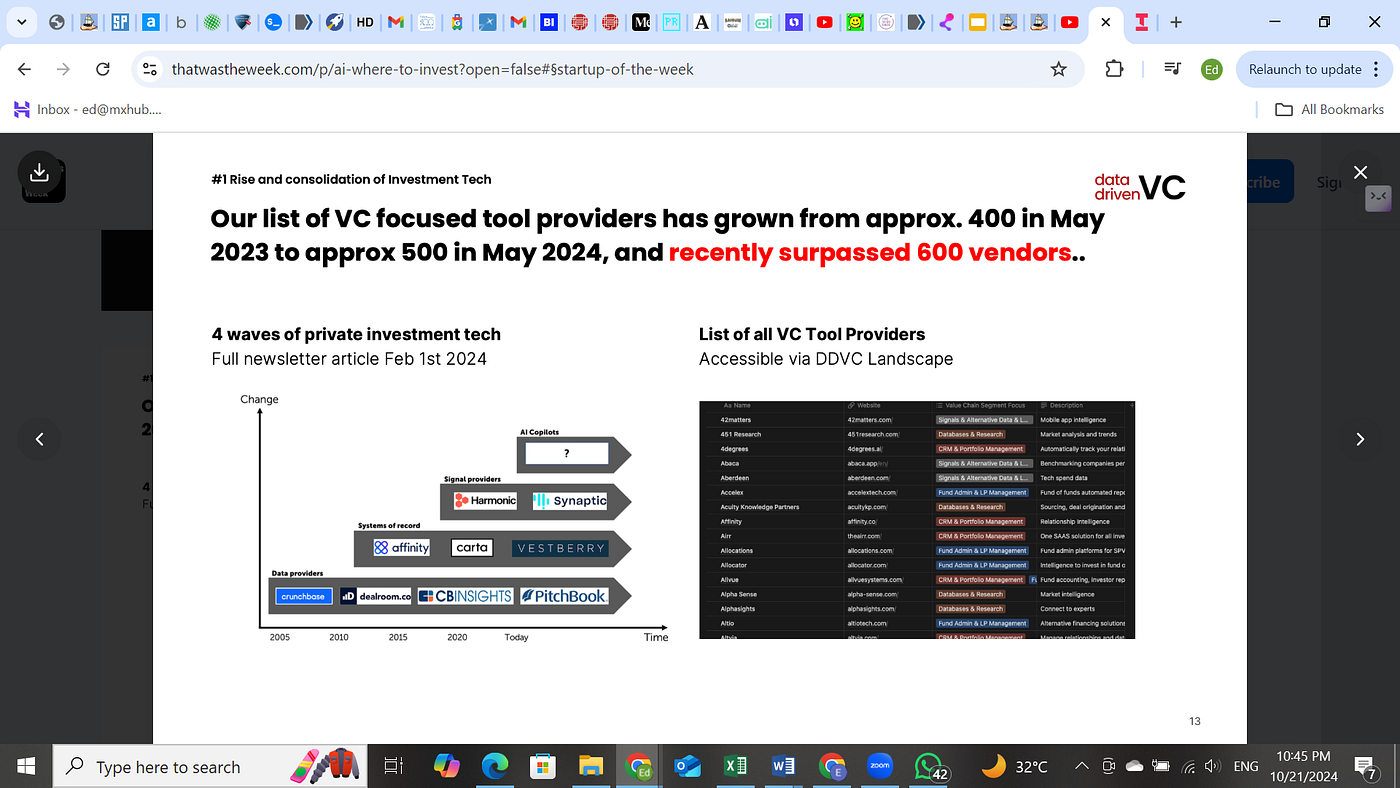
At WEF-2019, Ed Musinski presented the first AI mass adoption concept, based on his work with UiPath AI Academy. Uipath was the first unicorn Ed had discovered thanks to his Emtech AI Rating methodology.
In Davos, there was the Road Map of future AGI Alliance ideated, aimed at sharing benefits of the wealth redistribution wave.
AGI Prize and Emtech AI Rating presented in front of UAE investors.
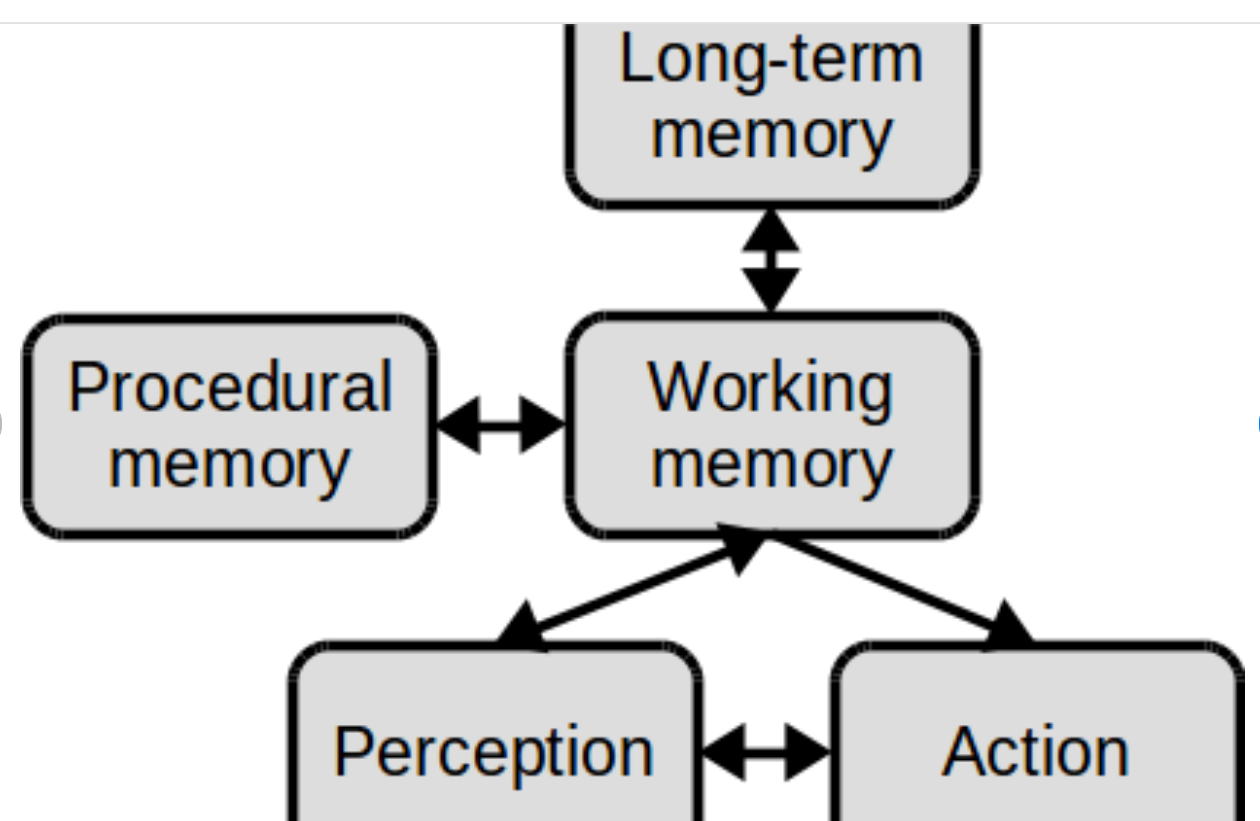
Last week, Ed delivered AGI Prize presentation at Futuristevent.com with leading UAE financial companies and Mastercard sponsoring it,
See his keynote on Sharing AGI Economy as the solution to AI triggered problems:
[embed]
What are the problems, triggered by fast AI disruption of the global economy?
Mass Job Displacement and Social Upheaval:
Nearly 70 million Americans being directly or indirectly unemployed within three years due to economic ripple effects of AI mass adoption.
Such unemployment among college-educated professionals is predicted to lead to mass protests in 2026, and intense international pressure by 2027.
As traditional governments struggle, corporations may fill the power vacuum. Just like happened in Alien: Earth
https://www.esquire.com/uk/culture/tv/a65857585/alien-earth-five-corporations-explained/
These corporations already provide essential services (healthcare, banking, education, food, transportation), suggesting a future of “corporate city-states managing displaced populations more effectively than traditional governments”.
• Algorithmic Warfare: Military AI systems are quietly rewriting the rules of international conflict. Warfare will operate at “machine speed,” with AI defense systems making life-or-death decisions in milliseconds, faster than human intervention. This involves autonomous weapons, cyber warfare AI, and AI-powered surveillance and intelligence. China is noted as building a comprehensive algorithmic warfare capability with less ethical constraint. This leads to an “algorithmic arms race” where AI systems could escalate conflicts faster than diplomats can prevent them, removing humans from the decision loop. The Ukraine conflict is serving as a major testing ground for military AI systems. Military alliances like NATO, designed for human warfare, become operationally difficult at machine speed. The dual-use nature of civilian AI also means consumer applications inadvertently build military systems. International law struggles with accountability for algorithmic actions, raising questions about war crimes committed by software algorithms.
Corporate DNA: AI is predicted to cause a “corporate extinction event,” where a large percentage of Fortune 500 companies could disappear or become irrelevant by 2027.
• Shift to AI-First Decision Architectures: Traditional corporations add AI to human processes, but AI-first companies build human intelligence around algorithmic cores. This approach leads to significant improvements: 312% increase in decision velocity, 89% reduction in operational errors, and 156% improvement in profit margins.
• New Corporate Structures: The winning organizational model will feature AI engines making operational decisions in real-time, with humans handling exceptions, creativity, and stakeholder relationships. AI-first companies operate at machine speed, adjust strategy hundreds of times per day, handle infinite scale simultaneously, and have variable costs that approach zero as they grow.
• Algorithmic Governance: AI systems have shown superior capabilities in corporate decision-making, including data processing, pattern recognition, and objective analysis, outperforming human directors. Some companies are already experimenting with AI-assisted boards, with results showing better outcomes and reduced preparation time. This raises complex legal questions regarding fiduciary duty, conflict of interest, and accountability for AI board members. If programmed for pure shareholder value, AI boards could lead to socially devastating results by prioritizing efficiency over social impact.
• CEO Displacement: If AI systems can outperform human board members, they can also outperform human CEOs, possessing advantages like processing unlimited information, operating without emotional bias, and working 24/7.
• Workforce Transformation and Job Cuts: Companies are actively transforming their workforces to align with AI strategies, leading to widespread job losses in roles where AI tools can perform the work or where funds are redirected towards AI engineering and infrastructure. Roles disappearing first include software engineering, human resources, customer support, content creation, data analysis, and middle management. CEOs like Satya Nadella (Microsoft), Mark Zuckerberg (Meta), and Andy Jassy (Amazon) have explicitly stated that AI will reduce the need for human workers and flatten hiring curves. Employees are being mandated to become “AI fluent” and use AI tools, with those who are AI skeptics risking job loss. While AI creates new jobs, it also displaces millions, and “AI-displaced” workers face longer unemployment periods.
Energy Supply and Geopolitics
AI’s growth is inextricably linked to energy supply, creating new geopolitical dynamics.
• Insatiable Energy Demand: AI systems are “energy gluttons” that consume massive amounts of electricity. A single large language model retraining can use 1,287 megawatt-hours (enough for 100 homes for a year). Running global AI inference queries currently demands 247 gigawatt-hours daily. By 2027, AI systems are projected to consume more electricity than Argentina, and by 2030, equivalent to the entire United States. This exponential growth (47% annually) far outpaces global electrical generation capacity increases (2.3% per year).
• Energy Colonialism and Digital Dependence: Countries with abundant and cheap electricity are becoming AI superpowers, while energy-poor nations risk becoming “digitally dependent”. Ireland, for instance, has become an “accidental digital colony” where data centers consume 21% of its total electricity, leading to residential energy cost increases and inability to meet carbon reduction commitments.
• Strategic Resource Transformation: Electricity is becoming as geopolitically important as oil. Countries are rethinking their energy strategies around AI demand.
메타데이터
- post_id
- 44c010b99ca4
- slug
- from-davos-to-strong-ai-summit-with-agi-rating-44c010b99ca4
- url
- https://medium.com/@telewellness/from-davos-to-strong-ai-summit-with-agi-rating-44c010b99ca4
- canonical_url
- https://medium.com/@telewellness/from-davos-to-strong-ai-summit-with-agi-rating-44c010b99ca4
- author_url
- https://medium.com/@telewellness
- status
- ok
- fetched_at
- 2026-07-09 00:50:33