The Art of Intentional Movement: Reclaiming Visual Narrative in a Shaky World
The transition from a shaky, handheld home video to a cinematic masterpiece isn’t usually found in the resolution of the sensor or the…
The Art of Intentional Movement: Reclaiming Visual Narrative in a Shaky World
The transition from a shaky, handheld home video to a cinematic masterpiece isn’t usually found in the resolution of the sensor or the expensive glass of the lens; it is found in the stillness of the frame. In our current era of rapid-fire content, we have become accustomed to a certain level of visual chaos, but there is an undeniable power in a smooth, gliding shot that mimics the way the human eye naturally tracks the world. This pursuit of steadiness has led to the widespread adoption of **video stabilizers**, tools that allow anyone to move through a scene with the grace of a professional operator, turning a simple walk-and-talk into a deliberate, narrative journey.

The Evolution of Visual Stillness
For decades, the “cinematic look” was defined by heavy equipment. If you wanted a smooth tracking shot, you needed a crew to lay down literal metal tracks or a massive vest-and-arm system that took years of physical training to master. Today, that same capability has been miniaturized into devices you can hold with one hand. This democratization of stability has changed the way we tell stories. We are no longer tethered to a tripod; we can follow a subject through a doorway, down a flight of stairs, or through a crowded marketplace without the footage looking like a frantic earthquake.
This shift isn’t just about making things “look pretty.” Stability serves a psychological purpose. When a frame is steady, the audience stops noticing the camera and starts noticing the subject. It removes the technical barrier between the viewer and the story. In 2026, we’ve moved past the “gimmick” phase of stabilization where people were just doing spins and flips for the sake of it. Now, we use these tools with intention. A slow, forward-moving shot can build tension, while a gentle lateral pan can reveal a new character in a way that feels organic and purposeful.
The Physics of the Three-Axis System
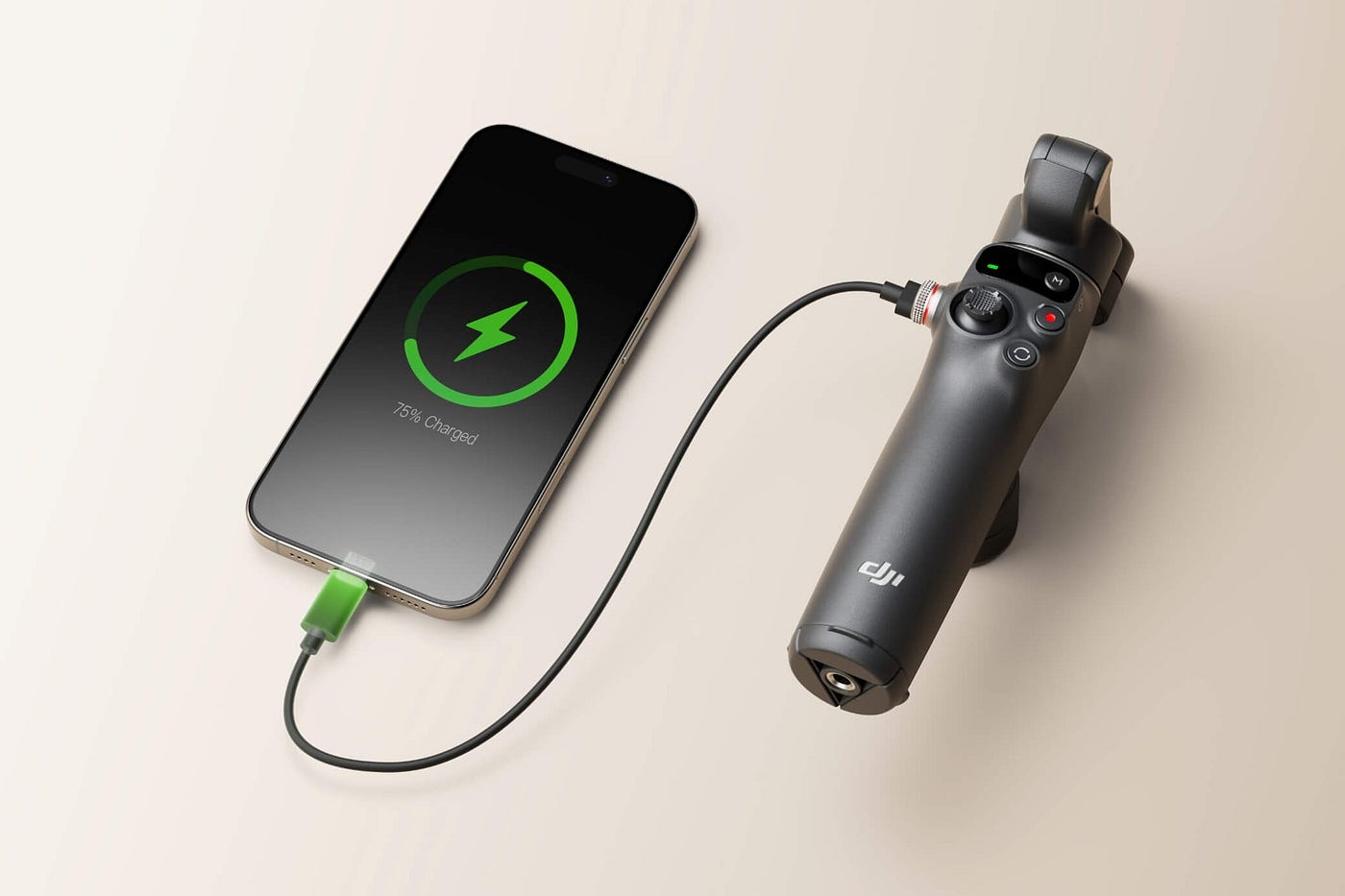
To truly use a stabilizer well, you have to understand what it’s actually doing. Most modern systems use three brushless motors that counteract movement in three specific directions: tilt (up and down), roll (side to side), and pan (left to right). When you take a step, your body naturally bounces. The stabilizer’s sensors detect that vertical movement hundreds of times per second and apply an equal and opposite force to keep the camera level. It is a mechanical tug-of-war where the technology is always winning, creating that “floating” sensation that has become the hallmark of modern video.
However, even the best motors can’t solve every problem. One thing many beginners struggle with is the “Z-axis” or the vertical bounce that happens when you walk. Because most handheld stabilizers don’t have a motor for up-and-down movement (the fourth axis), you still have to learn the “ninja walk” — a slightly crouched, heel-to-toe gait that uses your knees as natural shock absorbers. The machine handles the rotation; you handle the elevation. When these two things work in harmony, the results are indistinguishable from high-end Hollywood productions.
Choosing Between Mechanical and Electronic Help
There is often a debate about whether you even need a mechanical device when modern cameras have incredible built-in electronic stabilization. The reality is that they serve different masters. Electronic stabilization works by cropping into your image and shifting the frame around to hide the shakes. This is great for a quick social media clip, but it can lead to a “wobble” effect in low light and a loss of overall image quality. A mechanical rig, on the other hand, stabilizes the physical camera, preserving every pixel and ensuring that the perspective of the lens remains natural and undistorted.
Gear for the Rugged Path
While a dedicated rig is perfect for an interview or a cinematic short, there are times when the environment is too harsh for delicate motors and exposed joints. If you are mounting a camera to a mountain bike, jumping into a river, or skiing down a slope, you need a different philosophy of stability. This is where a dedicated **sports camera** comes into play. These devices are built to be abused, and their stabilization is often entirely digital, optimized to handle the extreme vibrations and high-frequency jitters of high-action environments where a mechanical gimbal would simply be too fragile.
Using an action-oriented camera requires a mindset shift. You aren’t focusing on slow, artistic pans; you are focusing on survival and perspective. The wide-angle lenses typical of these cameras are inherently more stable because they see so much of the world that small movements are less noticeable. In 2026, the software inside these small boxes has become so advanced that it can “lock” the horizon perfectly level, even if the camera itself is doing a 360-degree flip. It’s a specialized tool for a specialized job, proving that the best gear is always the one that matches the chaos of your surroundings.
The Durability Factor in the Field
When you’re out in the elements, your biggest concerns are weather and battery life. A mechanical stabilizer is a complex piece of electronics with open gaps where sand or water can enter. In contrast, action gear is usually sealed tight. This allows you to focus on the shot rather than worrying about whether a light rain will fry your expensive motors. For creators who spend more time in the dirt than in the studio, the trade-off in “perfect” mechanical smoothness for “reliable” digital smoothness is a trade-off they are happy to make every single day.
Mounting Versatility and New Angles
The real power of smaller, ruggedized gear is where you can put it. Because they don’t require a large balancing arm, you can mount them to your chest, your helmet, or even the end of a long pole to get “fake drone” shots. This versatility allows for a “first-person” perspective that is incredibly immersive. It puts the viewer in your shoes, feeling the speed and the adrenaline of the moment. Stabilization here isn’t just about clarity; it’s about making sure the viewer doesn’t get motion sickness while they go on the ride with you.
Capturing the Invisible Narrative: Audio Quality
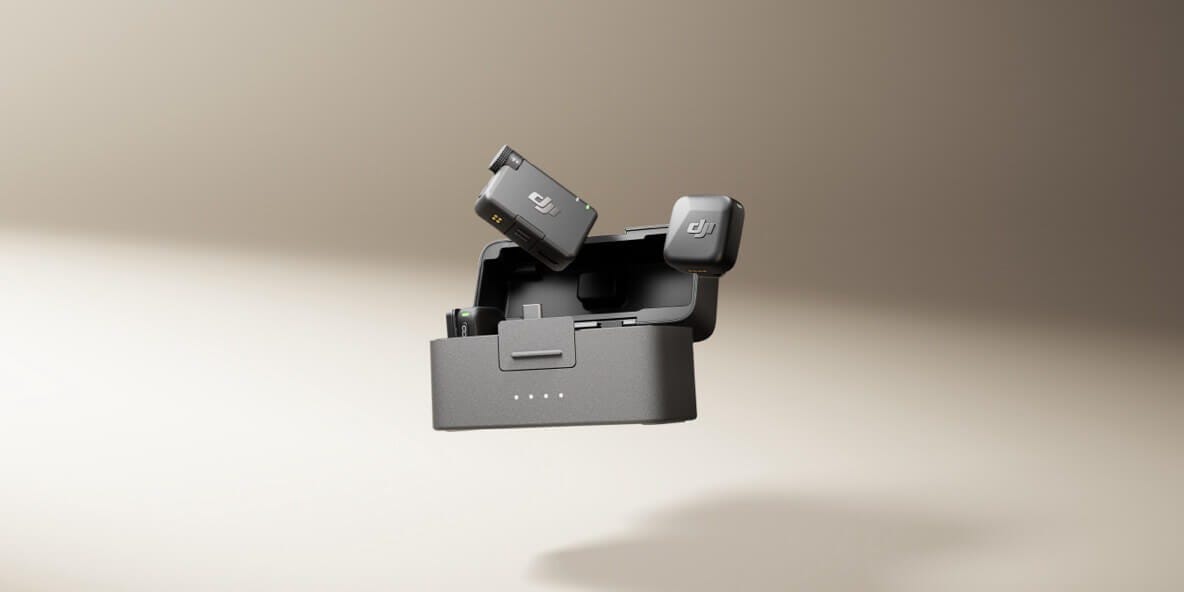
Visuals are only half the story, and ironically, as our video becomes smoother and more professional, our audio often lags behind. There is a strange “uncanny valley” in video production where if the image looks like a movie but the sound is echoing and thin, the brain rejects the experience as amateur. To fix this, creators have moved toward the wireless lavalier microphone, a tool that ensures the voice of the subject remains intimate and clear, regardless of how far they are from the camera or how much wind is whipping around the stabilizer.
Audio in the field is a constant battle against the environment. If you are using a stabilizer to follow someone through a city, the camera’s built-in microphone will pick up every bus, siren, and gust of wind. By placing a small transmitter on the person’s collar, you are effectively “cheating” physics. You are placing the “ears” of the audience exactly where they need to be. In 2026, these systems have become so small and reliable that they are almost invisible, and the ability to record a backup track directly onto the transmitter has saved many productions from a catastrophic signal drop.
The Importance of Intimacy in Sound
When we hear someone’s voice clearly — including the subtle breaths and the natural timbre — we feel a deeper connection to them. This is especially true for documentaries and vlogs. A wireless setup allows the subject to move freely, to turn their head, or to walk away from the camera without the volume dropping or the quality changing. It provides a “vocal anchor” for the viewer. Even if the camera is sweeping around in an epic wide shot, the voice stays right in your ear, maintaining the narrative thread that holds the piece together.
Dealing with Interference and Range
The biggest challenge with wireless audio has always been the “invisible” world of radio frequencies. In a crowded city, the airwaves are packed with Wi-Fi signals, Bluetooth devices, and cell towers. Modern professional audio gear handles this by using “intelligent frequency hopping,” where the devices are constantly scanning for the cleanest channel and switching to it before you ever hear a pop or a crackle. While the “specs” might claim a range of hundreds of feet, in the real world, the most important thing is a rock-solid connection within fifty feet. Reliability beats distance every single time.
Integrating the Toolkit: The One-Person Crew
As we look at the landscape of content creation in 2026, the most successful creators are those who can manage this entire ecosystem solo. It sounds overwhelming, but the technology is designed to work as a unified whole. Your stabilizer can track your subject automatically; your audio can level itself using 32-bit float technology; and your camera can handle the color science internally. This allows you to focus on the “human” part of the job: the interviewing, the storytelling, and the creative vision.
The “one-person crew” isn’t just about saving money; it’s about agility. You can move through a location faster, gain the trust of your subjects more easily, and pivot your creative direction on a dime. When you aren’t managing a crew of five people, you can capture those “in-between” moments that often end up being the most powerful parts of a film. The technology has shrunk the “friction” of production down to almost zero, leaving you with nothing but your own imagination as a limit.
Balancing Technicality with Creativity
The danger of having so many “smart” tools is that it’s easy to become a technician rather than an artist. Just because a machine can track a subject doesn’t mean it should. Just because a shot can be perfectly smooth doesn’t mean it wouldn’t benefit from a bit of raw, handheld grit. The best creators use these tools as a palette. They know when to use the gimbal for a dream-like sequence and when to switch to the action camera for a frantic chase. It’s about having the right tool for the emotional beat of the story.
Maintenance and Longevity of Sophisticated Gear
Because these tools are essentially high-precision robots, they require a bit more love than an old-fashioned tripod. Dust and sand are the primary enemies of brushless motors. A simple routine of wiping down your gear and using a blower to clear out the motor gaps after a shoot in the field will add years to the life of your equipment. Similarly, battery health is a long-term game. If you aren’t going to be using your gear for a month, storing the batteries at about 50% charge is the best way to ensure they are ready to go when the next project calls.
The Future of Movement and Sound
Looking forward, the integration of AI into our physical tools is the next great frontier. We are already seeing “smart” stabilizers that can predict a subject’s movement if they go behind a tree, and audio systems that can “reconstruct” a voice if a loud truck drives by. We are moving away from “tools that help us work” toward “partners that understand our intent.” In 2026, the barrier between the creator’s mind and the final file is becoming thinner every day.
This doesn’t mean the “human” element is going away; it means the bar is getting higher. When everyone has access to perfectly stable video and crystal-clear audio, the only thing that will differentiate a creator is the quality of their ideas and the authenticity of their voice. The tech has solved the “how”; now it’s up to us to solve the “why.” We are entering an era where the most valuable skill isn’t knowing which button to press, but knowing which story is worth telling.
The Democratization of Professionalism
Perhaps the most exciting part of this shift is how it empowers people who previously had no voice in the media landscape. A teenager in a remote village can now produce a documentary that looks and sounds as good as a piece on a major news network. This diversity of perspective is healthy for our global culture. It breaks the monopolies of the big studios and allows for a more “bottom-up” form of journalism and storytelling. The tools of the trade are no longer locked behind a gate of extreme wealth; they are in the hands of anyone with a message.
Ethical Considerations in a “Perfect” Visual World
With the power to create “perfect” images comes a responsibility to truth. We are reaching a point where video can be so manipulated and stabilized that it loses its connection to reality. As creators, we have to decide where the line is between “cinematic” and “deceptive.” Maintaining a sense of raw, human imperfection is often what makes a story feel trustworthy. In an age of deepfakes and AI-generated content, the “real” becomes the most valuable currency we have. Our gear should help us see the truth more clearly, not hide it behind a layer of digital polish.
Reflecting on the Journey
The tools we choose define the way we interact with the world. A tripod makes you a gardener — you plant your camera and wait for things to grow. A wireless lavalier microphone makes you a dancer — you move with the world, reacting to its rhythms and finding beauty in the flow. Both have their place, but the modern world is one of movement. By embracing the complexity of stability, audio, and action-ready hardware, we aren’t just making better videos; we are becoming better observers.
We are learning to see the world with more clarity and to listen with more intention. The “boost” that technology gives us isn’t a replacement for talent, but a foundation upon which we can build something truly lasting. Whether you are filming a quiet conversation in a living room or a high-speed chase through the mountains, the goal is always the same: to capture a moment of truth and share it with someone else.
The future of storytelling is mobile, it is clear, and it is incredibly personal. As we move further into this decade, the machines will continue to shrink, the power will continue to grow, and the trails will continue to call. The only question left is which story you are going to tell next. With the right toolkit in your hand and a clear vision in your mind, there is nowhere you cannot go and nothing you cannot capture. The world is in motion — it’s time to move with it.
Final confidence in the field comes from knowing your gear is an extension of your body. When you stop thinking about the motors, the frequencies, and the frame rates, and start thinking about the light, the emotion, and the narrative, you have arrived as a filmmaker. It’s a rewarding, lifelong journey of learning, and every shot is a chance to see the world in a slightly more stable, slightly more beautiful way. The stillness you create on the screen is a reflection of the focus you bring to the craft. Stay steady, stay curious, and keep the record button rolling.
메타데이터
- post_id
- 4546a555dcdb
- slug
- the-art-of-intentional-movement-reclaiming-visual-narrative-in-a-shaky-world-4546a555dcdb
- url
- https://medium.com/@djiusa/the-art-of-intentional-movement-reclaiming-visual-narrative-in-a-shaky-world-4546a555dcdb
- canonical_url
- https://medium.com/@djiusa/the-art-of-intentional-movement-reclaiming-visual-narrative-in-a-shaky-world-4546a555dcdb
- author_url
- https://medium.com/@djiusa
- status
- ok
- fetched_at
- 2026-06-24 11:06:28