The Questions Publishers Ask That Catch the Writer
Prepare well before you submit your manuscript.
Getting published, writing tips
The Questions Publishers Ask That Catch the Writer
Prepare well before you submit your manuscript.

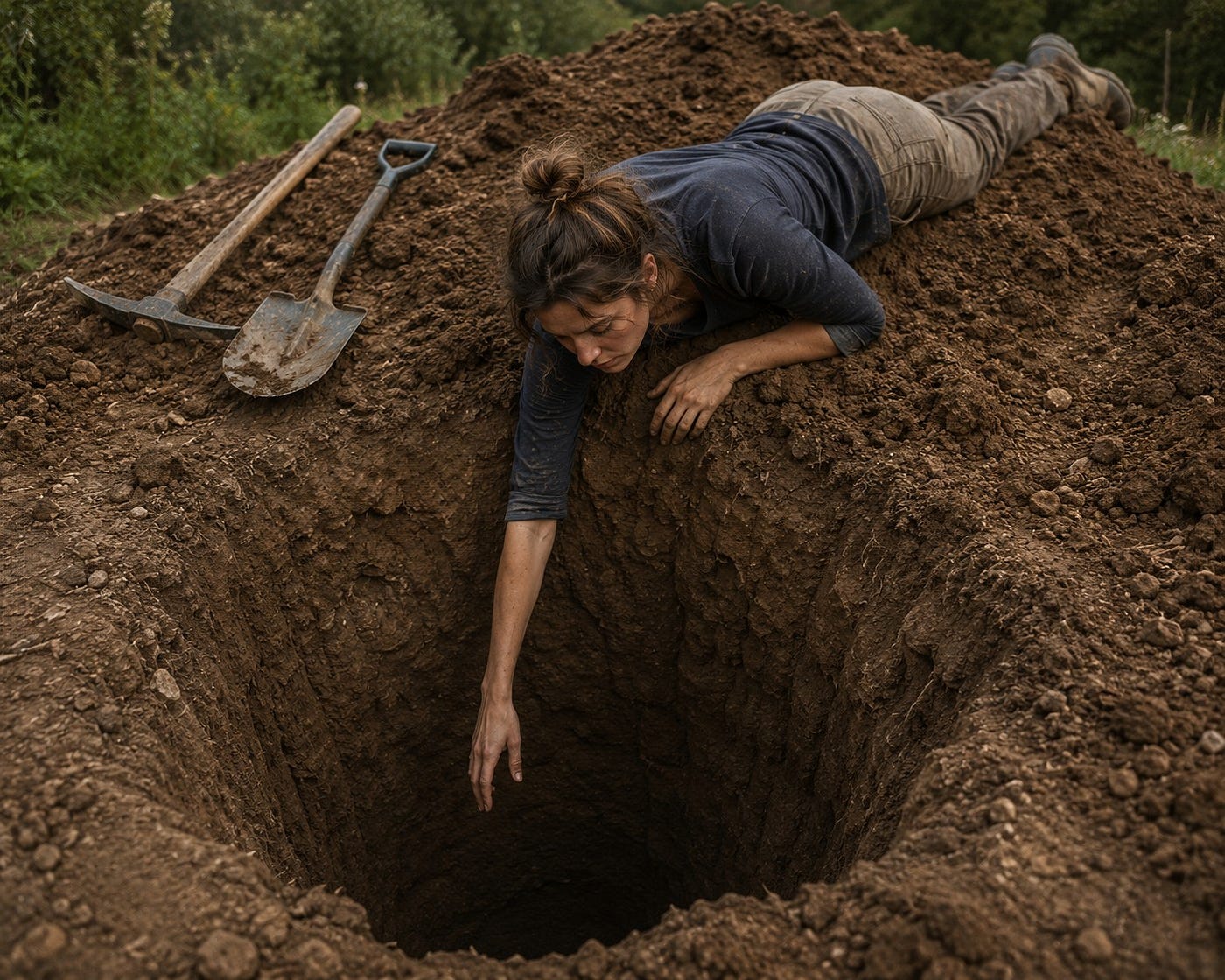
Google Gemini image created for the author Jim Parsons
[Click here to read free](https://medium.com/@jamesrobertparsonsx/45703b4595b3?source=friends_link&sk=e67a79e18121584f83f3f3e9e0219a00 https://medium.com/@jamesrobertparsonsx/45703b4595b3?source=friends_link&sk=e67a79e18121584f83f3f3e9e0219a00), if you are not a Medium member yet.
Today most publishers have an on-line submission form, and they ask some very specific questions. Some novice writers might shrug off these questions, believing that, if they have attached their manuscript, a summary and covering letter — the old faithfulls of submission, the publisher must surely have enough to evaluate their work.
What your answers reveal
There are, however, several questions that almost all publishers include in their submission form, and the quality of your answers will tell them a lot — it might even be a deciding factor in whether they consider it worthwhile to read your manuscript at all.
The answers you give, if you know what you are talking about and are precise and clear, will provide valuable information for the publisher about whether your book fits their stable, whether it has a current market and whether you can express yourself concisely as marketing will require.
Consequently, if you treat the questions as an unnecessary nuisance, write ‘I don’t know’ to a question, or give answers that indicate you have no idea what they want from you, you demonstrate that you are not going to be a useful adjunct to the marketing process, and may not be capable of public appearances or interviews.
In short, you are alerting the publisher that you have thrown a book together, think that is all there is to being an author, and have little idea of the tough business that publishing and marketing really is.
Genre and word count
Clearly, these are the easiest question to handle, but they can also tell the publisher whether you have a clear idea of the business. If, for example, you state that your Children’s book is 100,000 words (an impossible read for most kids) or your fantasy is 70,000 (when must fantasy books are between 100,000 and 120,000 words, the publisher knows you just don’t get it.
Worse, if you tell them your book is a fantasy, when they clearly state on their website that they do not accept fantasy or sci-fi, then you are just an annoyance. Publishers and agents very often restrict their offerings to certain genres. They are not going to change their policy because yours is good, nor will a publisher dedicated to children’s books suddenly accept an adult novel because you have been pushy.
If you want to show a publisher that you know something about the industry, be specific about the sub-genre. If you have written a murder mystery, try to classify it more closely. Is it, for example, a cosy mystery, a noir, a police procedural, or a courtroom drama?
What books on the market are most similar to your manuscript?
This is a crucial question and not one to answer ‘Well, I don’t really know!’ I if you have decided to write in a specific genre, the publisher wants an assurance that you are already well-read in that genre to know the style and content fans of that genre expect. If you have never been a reader at all yourself, anything you write is suspect.
And, yes, some people who have not picked up a book in years firmly believe it can’t be hard to write one and make a fortune.
So, not only is the publisher checking up on your background in your chosen genre, but the question is a genuine one. If you name a popular book, they know instantly how that one was marketed. They will know the target audience and market category for yours.
They might also know, however, that your mention of a couple of top-rated Dracula stories means you have written in a sub-genre that has now had its day or the market is glutted, or conversely, they might realise they have recently purchased a manuscript in a similar genre and do not want two competing authors in their own stable.
Many authors come up with combinations… ‘my book is The Godfather meets The Handmaid’s Tale’ (sorry, I just grabbed two names — don’t try to figure that combo out!). That strategy is OK. it does tell the publisher you have thought about this question and are trying to find a spot for your book.
If at all possible, show where the similarity lies… maybe it has a first-person narrator as the detective; maybe it is a sub-genre of romance that is not well-represented; maybe the heroine has come from an impoverished background.
If you find this question mind-boggling, then you need to do some research. Look at reviews of books to see if you can see similarities to your own; use AI to suggest books that bear a resemblance to details you provide about your own… but don’t just leave it to AI. Get the books and read them, find something valid to say about the similarities.
This is how publishers determine whether there is a good market right now for your style of book.
How is your manuscript different from the rest?
Having asked you how your book is similar to others on the market, the contrary publisher usually follow with a question like this to see why your book might stand out in a flooded market. Let’s face it, there is nothing new under the sun, particularly in genre fiction.
Nevertheless, they need to find your book a niche, something about it that can be marketed as different. This is not so easy. You need a good knowledge of the existing genre to be able to isolate a selling point, Again, do try to find something, as publishers will respect you for knowing the market and your book’s special qualities.
The book summary
The publisher will usually ask for a summary, as well. this is not exactly a question; it is nevertheless a requirement of your submission. How long should it be? Some publishers are kind and / or sensible and specify… X number of pages.
When they do, stick rigidly to their requirement. There is no point in saying, ‘My amazing book can’t be summarized in X pages.’ That is a damning admission that you cannot find or identify the core plot, the goals and motivation of your central character, that you confuse yourself with sub-plots and back story.
Summarizing is a skill — start practicing it before you need it — and remember your publisher does not want any coy questions and hooks as might appear on a book cover, such as ‘What malignancy lurks inside the locked room?’ Or ‘Will Wally escape the killer butterflies and bring the magic rock back to his people?’ Your publishers want no surprises. They damned-well need to know.
The logline or elevator pitch
The logline is also often a requirement on a publisher’s submission form. This is your 80,000 -100,000-word manuscript boiled down to two sentences that will tell the publisher this book sounds right for them.
If your publisher sees you cannot reduce your grand work to such a tiny morsel, they know you will not be much help in the self-marketing writers are obliged to do. When a radio announcer says: ‘Tell me, Murgatroyd, what is your book about?’ they are offering you about two minutes at best. There is no time to say:’ Well, it starts off when Homewood is crossing the brook and sees a strange pebble…’ and to finish an hour later.
The publisher knows that, ideally, you may do author talks and panel talks… there is an ugly emphasis there on the word talk. You will need acute key phrases about dozens of different aspects of your novel that will roll off your tongue.
Does a punchy 2-sentence logline sound impossible? In truth, there is not a lot else you can say beyond the old journalist checklist of Who, What, Where, How, and Why. In this, the Why is probably most important, as that, in novelist terms, is the character’s motivation for the goal.
How can you best approach this form of linguistic torture?
You might like to try this process. I set an exercise for my novel-mentoring clients where I ask them to first produce a 5-page summary of their story. Even that seems impossible for some and does require the ability to sort out central plot and theme, from all the other subplots and side issues.
Once I have that document edited to my satisfaction, I say: ‘Now reduce it to one page.’ It is much easier to summarize a 5-page document than an entire novel.
When that comes back to me, I ask that it be further reduced to ½ page and check that it still contains just the core that makes this story unique.
If my client has not yet left me with a hail of abuse, I then stretch our relationship to the limit by demanding a further reduction to a 2-sentence pitch that will woo a publisher.
If you want to be published, you cannot see this submission process as just sending your manuscript to see what they think. You must treat that submission form as seriously as you would a job application form. You are being interviewed as a prospective author-representative of this respected publishing house. Who you are and your ability to perform publicly is as important as the quality of your writing.
Jim Parsons is an Australian author and novel-writing mentor.
메타데이터
- post_id
- 45703b4595b3
- slug
- the-questions-publishers-ask-that-catch-the-writer-45703b4595b3
- url
- https://medium.com/never-stop-writing/the-questions-publishers-ask-that-catch-the-writer-45703b4595b3
- canonical_url
- https://medium.com/never-stop-writing/the-questions-publishers-ask-that-catch-the-writer-45703b4595b3
- author_url
- https://medium.com/@jamesrobertparsonsx
- status
- ok
- fetched_at
- 2026-07-12 01:24:19