The Marketplace Minefield: How Stolen Assets Can Kill Your Indie Game Before Launch
If you hang around indie game dev communities long enough, you’ll notice almost everyone is fighting the exact same boss: trying to build a…
The Marketplace Minefield: How Stolen Assets Can Kill Your Indie Game Before Launch
If you hang around indie game dev communities long enough, you’ll notice almost everyone is fighting the exact same boss: trying to build a game with zero budget, no time, and limited experience.
Most indies aren’t backed by a small army of artists, programmers, and legal advisors. They are students, hobbyists, or people grinding on a passion project after a 9-to-5. The goal is simple: build something fun and get it onto Steam as fast as humanly possible.
To save time, developers naturally focus on coding and mechanics while outsourcing the art to online marketplaces. Why spend six months wrestling with Blender or Substance Painter when you can just buy a ready-made 3D model? It makes total sense.
But this shortcut is exactly where a massive, game-ending problem begins.
The Illusion of a Good Deal
When you’re a student or a hobbyist, you don’t have thousands of dollars to drop on professional art. If you see two similar-looking 3D models — one for $100 and one for $10 — you’re going to buy the $10 one.
The problem? The internet has made asset theft incredibly easy.
Alongside legitimate creators, asset marketplaces are filled with bad actors who rip, modify, or outright steal work. Sometimes they steal from independent artists; other times, they rip assets directly out of AAA games. When an indie developer impulse-buys a cheap, visually stunning asset, they usually have no idea the seller didn’t actually own the rights to sell it.

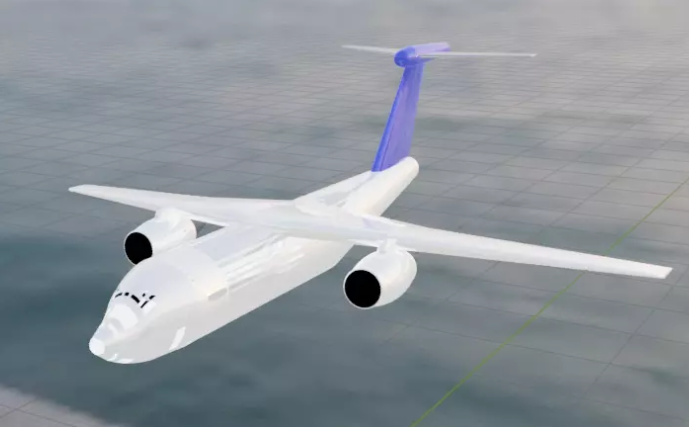
For illustration purposes — original screenshot of my own project’s mesh. (Image source: Author)
If you accidentally buy a stolen asset, you’re inheriting two major problems:
- The Technical Mess: Ripped models are rarely optimized. They usually arrive with broken UV maps, terrible topology, non-manifold geometry, and insane polygon counts that will tank your game’s performance.
- The Legal Timebomb: Copyright stays with the original creator or AAA studio. Big publishers have entire legal departments dedicated to hunting down intellectual property theft. “I didn’t know it was stolen” won’t stop you from getting hit with a DMCA takedown, a forced removal from storefronts, or a devastating lawsuit.
The Fine Print Will Catch Up to You
Even when assets are legally uploaded, developers constantly shoot themselves in the foot by ignoring licensing agreements.
People download “free” assets without reading the terms. Is it for personal use only? Does it require attribution? Does it strictly forbid commercial use?
Copyright law doesn’t care if you forgot to read the description. Over the years, plenty of indie games have been pulled from stores or forced to scrub their entire art libraries because they used a “free” asset incorrectly. For a small team, losing months of work over a licensing technicality is absolutely soul-crushing.

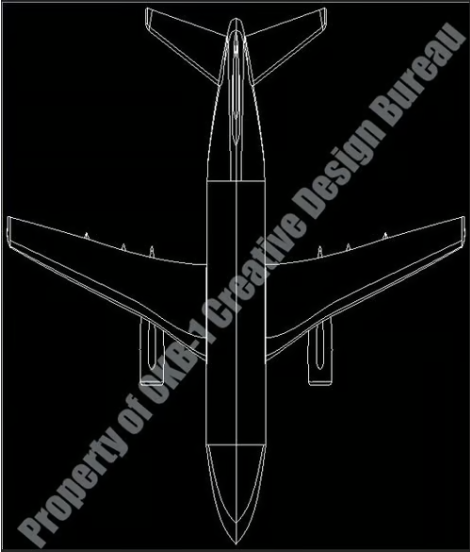
An example of a custom blueprint asset. Bad actors frequently scrub original creator IDs. (Image source: Author)
This digital “Wild West” extends beyond just 3D models. Textures, logos, and branding are heavily protected. Coming from the flight simulation community, I’ve seen this firsthand: creators who make and sell airline liveries frequently hit a brick wall of legal trouble because they used logos belonging to active commercial airlines without permission. Just because an image is on Google doesn’t mean it’s free real estate.
A Safer Way Forward
None of this means you should stop buying third-party assets. If indies couldn’t use marketplaces, fewer games would ever get finished. But you have to treat it like a business decision. Verify the origins, read the licenses, and remember that if a deal looks too good to be true, it’s probably a trap.
The best way to protect your game is to support creators who actually build original work from the ground up.

An original aircraft model designed entirely from scratch. (Image source: Author)
That’s exactly why I started making my own assets. I wanted to create a library of custom, “inspired-by” designs that give developers that epic, high-quality look without any of the legal anxiety attached. Every asset I design is built from scratch, entirely independent of existing corporate IPs, and fully cleared for use in your commercial projects.
Marketplaces should help you launch your dream game — not trigger a bankruptcy notice before you even hit the “Publish” button.
That’s exactly why I started designing my own models from scratch. I wanted to give the indie community access to high-quality, “inspired-by” assets that are completely free from corporate IP baggage and fully cleared for commercial use. If you want to skip the marketplace guessing game, you can find my original, performance-optimized designs over at the **OKB-1 Creative Design Bureau on CGTrader**.
P.S. If you enjoyed this article and want to support my work in another way, you can always toss a few bucks into my **Ko-fi page**. Every bit of coffee money goes directly toward funding my independent asset development (and, let’s be honest, helping me chip away at those student loans lol). Cheers for reading!
[embed]Support OKB-1 CreativeDesignBureau Support OKB-1 CreativeDesignBureauko-fi.com
메타데이터
- post_id
- 45d101bac8b9
- slug
- the-marketplace-minefield-how-stolen-assets-can-kill-your-indie-game-before-launch-45d101bac8b9
- url
- https://medium.com/@back.sem5.prauas.2021/the-marketplace-minefield-how-stolen-assets-can-kill-your-indie-game-before-launch-45d101bac8b9
- canonical_url
- https://medium.com/@back.sem5.prauas.2021/the-marketplace-minefield-how-stolen-assets-can-kill-your-indie-game-before-launch-45d101bac8b9
- author_url
- https://medium.com/@back.sem5.prauas.2021
- status
- ok
- fetched_at
- 2026-06-09 15:37:30