Do Stem Cells Work for Autoimmune Disorders? A Closer Look at the Evidence
What I’ve Learned About Stem Cells and Autoimmune Conditions
Do Stem Cells Work for Autoimmune Disorders? A Closer Look at the Evidence
What I’ve Learned About Stem Cells and Autoimmune Conditions

Autoimmune disorders, like lupus, multiple sclerosis (MS), rheumatoid arthritis (RA), and dozens more, are some of the most complex conditions in medicine. What makes them so challenging is that the body’s own immune system starts attacking healthy tissues, leading to widespread inflammation, pain, and progressive damage. Traditional treatments like steroids, disease-modifying antirheumatic drugs (DMARDs), and biologics help manage symptoms, but they don’t “reset” the immune system.
This is why many researchers and patients have turned their attention to stem cell therapy. Could regenerative medicine actually calm or even reprogram the immune system? Let’s take a closer look at where the science stands.
Key Statistics on Autoimmune Diseases Worldwide

While it’s clear that autoimmune diseases are on the rise, a few data points help paint a clearer picture of their global impact:
- Overall prevalence: Autoimmune diseases collectively affect 5–10% of the population in industrialized countries (Cooper et al., 2009).
- Gender differences: Women make up the vast majority of cases — as high as 80% of autoimmune patients are female (Shapira et al., 2010).
- Lupus: The prevalence of systemic lupus erythematosus (SLE) varies widely, from 20–150 cases per 100,000 people, and can reach 241 per 100,000 in North America (Barber et al., 2021).
- Multiple sclerosis (MS): Around 2.8 million people worldwide live with MS, with higher rates in North America and Europe compared to Asia and Africa (WHO Atlas of MS, 2020).
- Mortality trends: Between 2001 and 2014, the global mortality rate from autoimmune systemic diseases increased, despite advances in medicine (Scherlinger et al., 2020).
These numbers show why researchers, clinicians, and patients alike are urgently searching for new answers, from better diagnostics to potential novel therapies, including regenerative medicine like stem cells.
How Stem Cells May Help Autoimmune Disorders
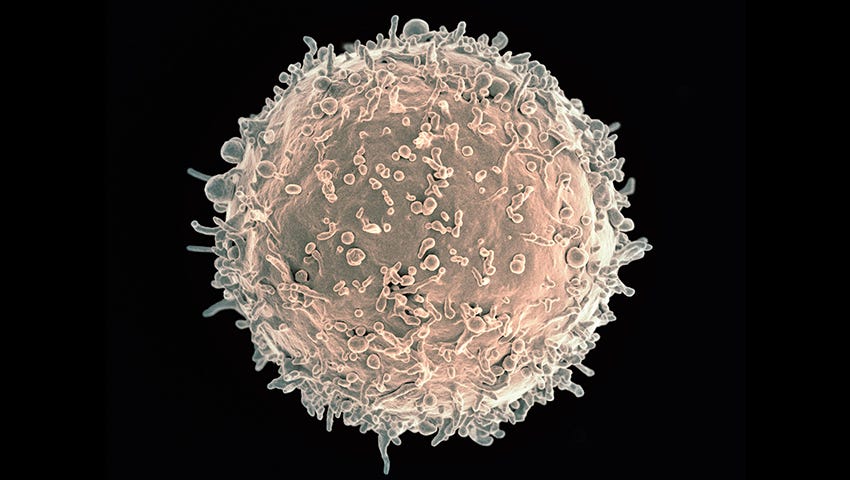
Photo by CDC on Unsplash
The key potential benefit of stem cell therapy for autoimmune diseases lies in the immune-modulating properties of certain stem cells, especially mesenchymal stem cells (MSCs). Research suggests that MSCs can:
- Reduce harmful inflammation by releasing anti-inflammatory molecules.
- Promote tissue repair in areas damaged by autoimmune activity.
- Influence how immune cells (like T-cells and B-cells) behave, potentially preventing them from attacking healthy tissue.
In theory, this makes stem cells not only symptom relievers but also possible “immune system balancers.”
What the Research Says So Far
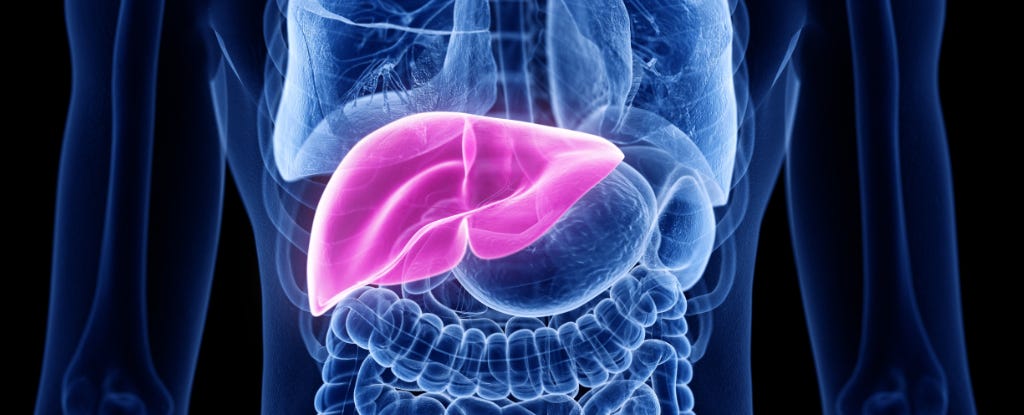
Photo by Louis Reed on Unsplash
- Multiple Sclerosis (MS): Several clinical trials using hematopoietic stem cell transplantation (HSCT) have shown that aggressive forms of MS can be slowed or even put into remission in some patients. MSC-based trials are also ongoing.
- Lupus: Studies, particularly from China and Europe, have suggested that stem cell therapy can help patients with treatment-resistant lupus achieve longer remissions.
- Rheumatoid Arthritis (RA): Early clinical data shows that MSCs may improve joint pain and swelling, especially for patients who don’t respond well to biologics.
- Type 1 Diabetes: While still experimental, researchers are exploring whether stem cells could preserve or restore insulin-producing beta cells.
It’s important to note: these are not cures, and results vary widely. Stem cell therapy for autoimmune disorders is still considered experimental in most countries.
Access Beyond Traditional Clinical Trials

Because many autoimmune patients don’t qualify for clinical trials (or can’t wait years for approvals), some turn to regenerative clinics outside the US. For example, **R3 Stem Cell Mexico** offers stem cell therapy options that many patients seek when conventional care doesn’t bring enough relief. These treatments aren’t marketed as cures, but some patients report improvements in energy, mobility, and quality of life after therapy.
The Road Ahead
Photo by Abdulai Sayni on Unsplash
The future of stem cell therapy for autoimmune conditions looks promising but uncertain. Large-scale, long-term studies are still needed to determine safety, effectiveness, and the best treatment protocols. What’s clear, however, is that stem cells open a new frontier — not just suppressing autoimmune symptoms, but potentially reshaping how the immune system behaves.
For now, patients exploring this option should do so cautiously: consult with experienced doctors, understand the risks, and weigh the evidence.
⚠️ Medical Disclaimer
This article is for educational purposes only. It is not medical advice and should not replace consultation with a qualified healthcare professional. If you are considering stem cell therapy for an autoimmune disorder, please talk to your doctor and review all available clinical evidence.
메타데이터
- post_id
- 46103e4bf25d
- slug
- do-stem-cells-work-for-autoimmune-disorders-a-closer-look-at-the-evidence-46103e4bf25d
- url
- https://medium.com/@emonanam/do-stem-cells-work-for-autoimmune-disorders-a-closer-look-at-the-evidence-46103e4bf25d
- canonical_url
- https://medium.com/@emonanam/do-stem-cells-work-for-autoimmune-disorders-a-closer-look-at-the-evidence-46103e4bf25d
- author_url
- https://medium.com/@emonanam
- status
- ok
- fetched_at
- 2026-06-28 10:39:35