The Effects of Bullying: An Irreparable Scar
Written by Ray Fernandez Alvarez Edited by Hana
The Effects of Bullying: An Irreparable Scar
Written by Ray Fernandez Alvarez Edited by Hana
Disclaimer: Calm Mind Initiatives is a peer-run digital publication. Content is for informational purposes only and does not constitute professional medical or psychological advice.
Introduction
Bullying, also known as school harassment, is one of the most serious problems facing our generation today, affecting about one in three teenagers. According to UNESCO, it’s described as “violence between peers characterized by intentional and aggressive behavior that occurs repeatedly when there is a real or perceived power imbalance.”
It’s undeniable that bullying leaves a long-term psychological mark and directly affects student performance. In this article, we will take an in-depth look at its effects and the importance of recognizing them in order to take action.
Emotional and Psychological effects
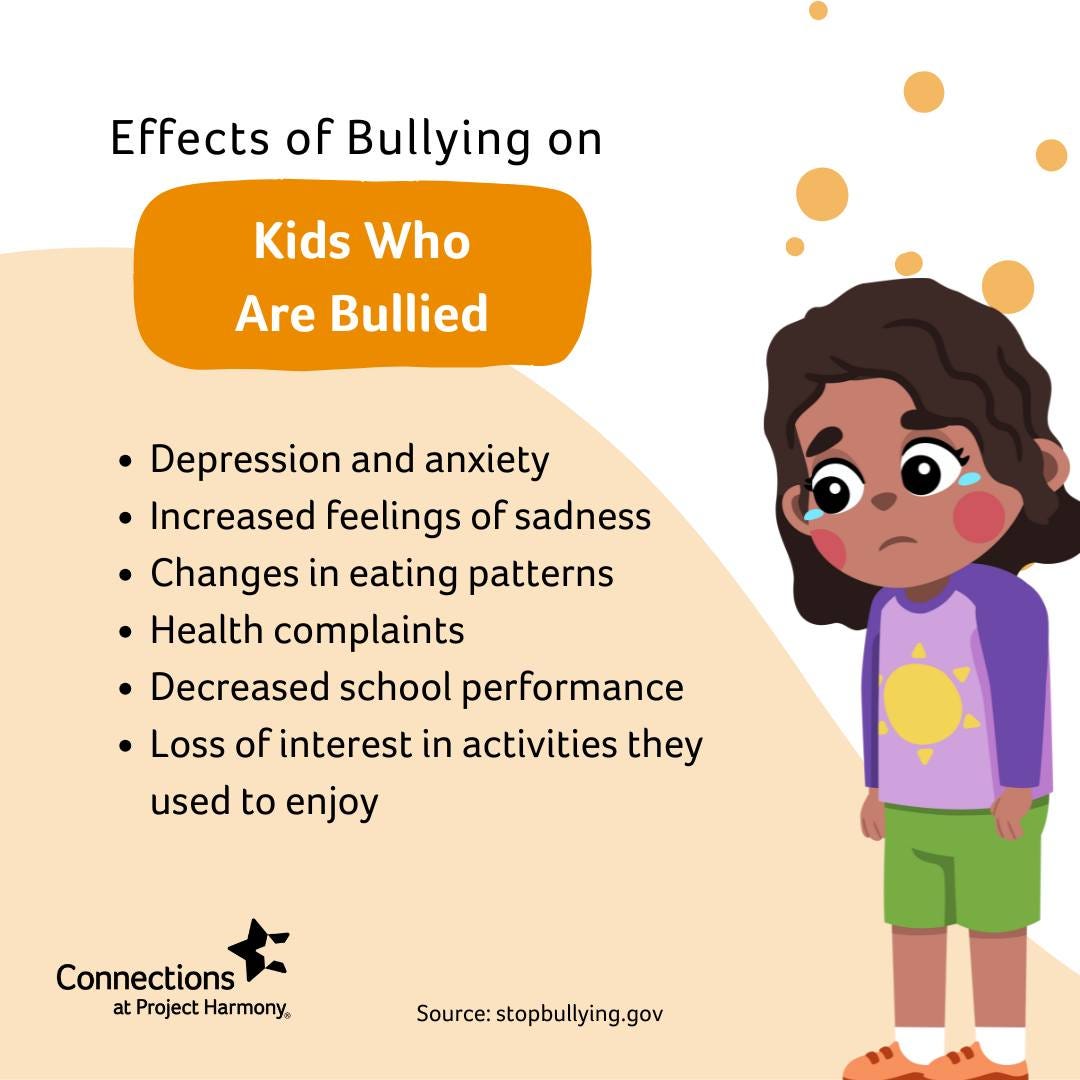
Bullying has a significant impact on the victim’s mental health. Here are some of the possible consequences:
Depression: Victims may experience signs of depression such as sadness, hopelessness, or lack of interest in activities as a result of being bullied regularly.
Anxiety: Harassment causes serious symptoms of anxiety in victims, such as nervousness, constant worry, or difficulty concentrating.
Low self-esteem: Due to bullying, victims usually develop low self-esteem, affecting their self-confidence. They may have an inferiority complex or feel undervalued, which can consequently affect their ability to interact with others.
Eating disorders: If the victim receives constant body-shaming messages, they may develop eating disorders such as anorexia or bulimia.
Suicidal thoughts: If the victim is under severe emotional distress, bullying could lead to suicidal thoughts. The reason for this is the daily despair and stress they experience.
It goes without saying that these consequences directly affect the victim’s ability to form relationships and their academic performance. From a psychological perspective, if a child or teenager is constantly subjected to bullying, they may think that it is their fault and that they deserve it simply because of who they are or how they look.
This feeling, combined with seriously damaged self-esteem, leads to the development of shame, which the victim will use as the basis for their self-image. As a result, the child or adolescent will be prone to hiding, which will lead them to develop defense
mechanisms to avoid feeling this emotion and repeating scenes of harassment. Additionally , there will be an increase in sensitivity and self-criticism.
The most common defense mechanism is making their presence as small as possible this creates quiet, anxious students, and to a certain extent, it helps them avoid confrontation with their bullies, but they also lose the opportunity to develop their skills or achieve success.
Unfortunately, these psychological consequences will carry over into adulthood, complicating social relationships such as finding a partner or building friendships, and even the perception of safety throughout their lives, as victims begin to view the world as a hostile and dangerous place where they feel vulnerable. This leads to the development of isolated adults who are afraid to reveal themselves.
Bullying
How can we identify if someone is being bullied?
It’s difficult to identify whether someone is a victim of bullying , since the victims themselves try to hide it, which makes things even more complicated if you are not present in their school environment. It’s essential to create a safe space within families so that victims feel comfortable expressing their feelings.
However, some symptoms include: your child avoiding talking about school, arriving home with unexplained bruises or scrapes, feeling insecure when entering or leaving school, unexplained poor academic performance, or an increase in absences.
In the case of being a teacher, they may avoid group work, become isolated, and you may even notice some passive-aggressive comments directed at them. You must be extremely careful in your observations to determine whether someone is being bullied or not.
It’s essential that, as a teacher, you prevent these aggressive behaviors from continuing by providing anti-bullying protocols and conducting awareness workshops. Several studies have shown that bullying occurs in classrooms where bullies don’t feel rejected by their peers for their behavior, which shows that it’s a collective problem and is not limited to specific students — meaning that part of the blame lies with the group, since they don’t comment on the harassment, either out of fear or collective shame.
Conclusion
It’s essential that remedies be put in place to address these incidents in the classroom, as they destroy the adolescent or child’s self-concept, something that is vital during their developmental stages. If the victim internalizes a negative view of themselves, this will leave serious consequences that can be devastating, creating trauma that, if left untreated, could lead to suicide.
References:
- UNESCO — New data reveals that one in three adolescents worldwide suffers from bullying. Retrieved from: https://www.unesco.org/es/articles/nuevos-datos-revelan-que-en-el-mundo-uno-de-cada-tres-adolescentes-sufre-acoso-escolar
- Arturo Pastor / Psicólogo — Bullying: shame, psychological consequences, and effects on adult life. Retrieved from: https://www.arturopsicologo.com/secuelas-del-bullying-en-la-vida-adulta/
- Colegio de Psicólogos — Psychological effects of bullying: consequences and prevention. Retrieved from: Efectos psicológicos del bullying: consecuencias y prevención | Colegio de Psicólogos SJ
메타데이터
- post_id
- 46bf69a9bf9f
- slug
- the-effects-of-bullying-an-irreparable-scar-46bf69a9bf9f
- url
- https://medium.com/@calm.minds.initiative/the-effects-of-bullying-an-irreparable-scar-46bf69a9bf9f
- canonical_url
- https://medium.com/@calm.minds.initiative/the-effects-of-bullying-an-irreparable-scar-46bf69a9bf9f
- author_url
- https://medium.com/@calm.minds.initiative
- status
- ok
- fetched_at
- 2026-06-09 15:37:30