L-Methylfolate VS Methylcobalamin: Which Key Nutrient is Best for Brain Health and Mood Enhancement?
L-Methylfolate and Methylcobalamin are vital nutrients for brain health and mood regulation. L-Methylfolate, the active form of folate…
L-Methylfolate VS Methylcobalamin: Which Key Nutrient is Best for Brain Health and Mood Enhancement?
L-Methylfolate and Methylcobalamin are vital nutrients for brain health and mood regulation. L-Methylfolate, the active form of folate, plays a crucial role in neurotransmitter synthesis, while Methylcobalamin, the active form of vitamin B12, supports nerve function and red blood cell production.
Both nutrients are critical for cognitive function and emotional well-being, but they work through different mechanisms, offering unique benefits to brain health and mood enhancement. Let’s learn everything about L-Methylfolate VS Methylcobalamin.
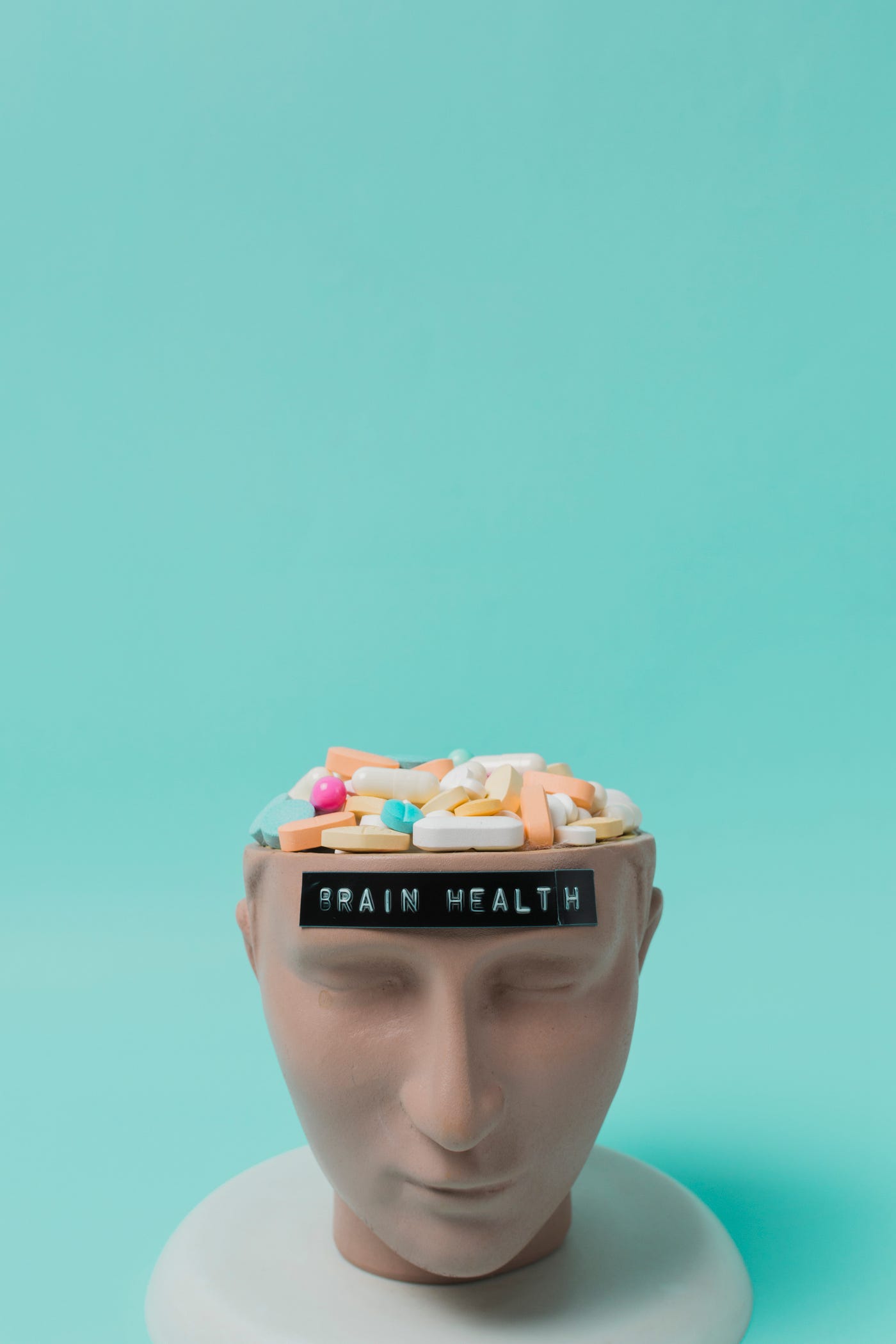
Why Are Nutrients Important for Brain Health and Mood?
Brain health and mood regulation rely heavily on optimal levels of specific vitamins and nutrients. Neurotransmitters like serotonin, dopamine, and norepinephrine play crucial roles in managing mood, and their synthesis depends on adequate levels of B-vitamins.
Deficiencies in these vitamins, especially folate and B12, are linked to mood disorders like depression and anxiety, as well as cognitive decline. L-Methylfolate and Methylcobalamin provide targeted support for neurotransmitter production, nerve health, and cognitive function, making them essential for mental well-being.
Understanding how these nutrients affect brain health can guide more effective strategies for maintaining emotional balance and cognitive clarity.
What Is L-Methylfolate and How Does It Support Brain Health and Mood?
L-Methylfolate (CAS number: 151533–22–1), with the molecular formula C20H25N7O6 and a molecular weight of 459.45 g/mol, is the bioactive form of folate. It is water-soluble and typically appears as a white to off-white crystalline powder.
What foods are rich in L-methylfolate?
L-methylfolate is the bioactive form of vitamin B9. It can be naturally sourced from spinach, kale, lettuce, beans and lentils, asparagus, broccoli, avocados, and citrus fruits. However, the body often needs to convert dietary folate into L-methylfolate, the active form used in various metabolic processes.
Health Benefits of Methylfolate
This compound is crucial for DNA synthesis, cellular repair, and methylation, which impacts neurotransmitter production in the brain.
- Enhances serotonin, dopamine, and norepinephrine production, improving mood.
- Supports cognitive function and memory retention through DNA repair and cell regeneration.
- Reduces homocysteine levels, which is beneficial for mental clarity and brain health.
- Helps in methylation processes, critical for neurotransmitter regulation and cognitive function.
All in all, it enhances brain health by facilitating the methylation process, a biochemical reaction that controls gene expression, including the production of mood-regulating neurotransmitters. For individuals with mood disorders, particularly depression, L-Methylfolate boosts serotonin and dopamine levels, which are essential for mood stabilization. This makes L-Methylfolate particularly beneficial for people with MTHFR gene mutations, who cannot convert folic acid into its active form.
How does L-methylfolate work?
It works by participating in the methylation cycle, which helps produce neurotransmitters crucial for brain function and mood regulation. This has led to its use as an adjunct treatment for depression, especially in patients who don’t respond to traditional antidepressants. It’s also essential for the production of DNA and red blood cells.
How is it manufactured?
Methylfolate powder is produced through chemical synthesis or extracted and purified from natural sources like folic acid. It is often used in supplement form due to its direct bioavailability, especially for individuals with metabolic disorders that prevent them from processing folic acid effectively.
Is L-methylfolate an antidepressant?
It is sometimes considered an antidepressant adjunct as it enhances the effects of antidepressants in patients with major depressive disorder who may have folate deficiencies. While not a traditional antidepressant, it supports mood regulation by helping the brain produce neurotransmitters.
What Is Methylcobalamin and How Does It Support Brain Health and Mood?
Methylcobalamin (CAS number: 13422–55–4), with the molecular formula C63H91CoN13O14P and a molecular weight of 1344.38 g/mol, is the coenzyme form of vitamin B12, which commonly appears as a water-soluble red crystalline powder.
What foods are rich in Methylcobalamin?
Methylcobalamin is commonly found in animal-based products, making it harder for vegans and vegetarians to get sufficient amounts. Liver, particularly from beef and chicken, is one of the most potent sources, offering high concentrations of B12. Shellfish, especially clams and oysters, are also packed with methylcobalamin. Fish, such as salmon, trout, and tuna, provide reasonable amounts, along with dairy products like milk, cheese, and yogurt. Eggs, particularly the yolk, contain B12 as well.
Health Benefits
Methylcobalamin is essential for red blood cell formation, DNA synthesis, and maintaining healthy nerve cells, and it is crucial for brain function and mood stability.
- Protects nerve cells from degeneration, supporting long-term cognitive health.
- Improves memory and concentration by enhancing brain cell communication.
- Reduces symptoms of depression by increasing the production of SAMe (S-adenosylmethionine).
- Supports energy metabolism, reducing mental fatigue and improving focus.
Methylcobalamin supports brain health by facilitating the production of neurotransmitters and protecting nerve cells from damage. It is particularly beneficial in preventing cognitive decline, often associated with vitamin B12 deficiency, which can lead to mood disorders like depression and memory issues.
How does Methylcobalamin work?
It works by supporting nerve health, DNA production, and the formation of red blood cells. It is essential in the methylation process alongside L-methylfolate. Methylcobalamin is synthesized chemically or biologically through fermentation processes using certain types of bacteria. Unlike the synthetic form of B12, methylcobalamin is directly usable by the body without conversion.
How is Methylcobalamin manufactured?
Methylcobalamin is produced primarily through bacterial fermentation, where specific strains of bacteria synthesize vitamin B12. After fermentation, the Methylcobalamin is isolated, purified, and stabilized. The end product is crystallized and dried in dietary supplements, with purity levels exceeding 98% to ensure optimal effectiveness.
What is the difference between vitamin B12 and methylcobalamin?
The difference between vitamin B12 and methylcobalamin is that the latter is one of the natural, active forms of B12 that the body can directly use. At the same time, cyanocobalamin is a synthetic form that must be converted into methylcobalamin or adenosylcobalamin to be effective. Methylcobalamin is often preferred due to its better absorption and bioavailability.
L-Methylfolate VS Methylcobalamin: Which One is Best for Brain Health and Mood Enhancement?
When comparing L-Methylfolate VS Methylcobalamin in the context of brain health and mood enhancement, both nutrients play crucial but distinct roles in neurological function and mental well-being. L-Methylfolate is essential for synthesizing neurotransmitters, which are vital for mood regulation.
It directly participates in the methylation process, a biochemical reaction critical for DNA repair and the production of neurotransmitters. Individuals with specific genetic variants such as MTHFR may have difficulty converting folic acid into L-Methylfolate, making supplementation crucial for optimal brain health and mood stabilization.
On the other hand, Methylcobalamin is the active form of vitamin B12, vital for maintaining the health of nerve cells, supporting the production of red blood cells, and contributing to the synthesis of myelin, the protective sheath around nerves.
Methylcobalamin also supports cognitive function by reducing homocysteine levels, which, when elevated, are associated with cognitive decline and mood disorders. While both nutrients are involved in neurological health, L-Methylfolate is more directly linked to neurotransmitter production, making it particularly beneficial for mood disorders like depression. Methylcobalamin, meanwhile, is essential for nerve health and cognitive protection, especially in cases of B12 deficiency.
Together, they are complementary, but L-Methylfolate may be more specifically beneficial for mood enhancement, whereas Methylcobalamin is crucial for overall brain and nervous system health.
How Do L-Methylfolate vs Methylcobalamin Compare for Brain Health and Mood?

Can L-Methylfolate and Methylcobalamin Work Together?
Yes, both can work synergistically to support brain health and mood. Both are involved in methylation processes, which are critical for neurotransmitter production. By combining the two, individuals can benefit from enhanced mood regulation, improved cognitive function, and long-term nerve protection. L-Methylfolate supports the production of mood-enhancing neurotransmitters, while Methylcobalamin protects the nerve cells and ensures efficient energy production, preventing mental fatigue.
What are L-Methylfolate and Methylcobalamin are used for?
Both methylfolate and methylcobalamin are commonly used to treat folate and B12 deficiencies, often linked to anemia, cognitive decline, or neuropathy. They are also used together in treatments for depression and other mood disorders due to their role in neurotransmitter synthesis.
How safe is L-methylfolate and Methylcobalamin?
L-methylfolate and methylcobalamin are generally considered safe for daily use, especially at recommended dosages.
However, high doses of L-methylfolate may cause side effects such as nausea, bloating, or difficulty sleeping. Methylcobalamin is also safe for daily use, though high doses may occasionally lead to mild side effects like acne or rashes.
What is the market size of L-methylfolate and Methylcobalamin?
The market for L-methylfolate and methylcobalamin is growing due to the increasing demand for supplements addressing mental health, energy, and cognitive function. The L-methylfolate market is projected to grow significantly due to its use in depression treatments, while the vitamin B12 market, including methylcobalamin, is also expanding as more people seek to address deficiencies and improve overall health. The combined market size for these supplements is expected to exceed several billion dollars in the next few years.
Summary: L-Methylfolate VS Methylcobalamin for Brain Health and Mood
L-Methylfolate and Methylcobalamin are two essential nutrients that play significant roles in brain health and mood regulation. L-Methylfolate is vital for producing mood-regulating neurotransmitters, while Methylcobalamin supports nerve health and prevents neurodegeneration.
Both nutrients work through distinct but complementary pathways, making them practical for individuals seeking to enhance their mood, cognitive function, and long-term brain health.
Introducing Nutri Avenue
Nutri Avenue is an FDA-registered supplier of high-quality ingredients such as L-Methylfolate and Methylcobalamin. With the ability to supply large quantities of these ingredients, Nutri Avenue ensures that third parties test all products for quality assurance.
With five U.S.-based warehouses and multiple shipping options, Nutri Avenue offers reliable and efficient supply solutions. They also provide OEM and ODM services to help create custom formulations, making Nutri Avenue a trusted partner for supplement ingredient needs.
메타데이터
- post_id
- 46e217b4ebd4
- slug
- l-methylfolate-vs-methylcobalamin-which-key-nutrient-is-best-for-brain-health-and-mood-enhancement-46e217b4ebd4
- url
- https://medium.com/@reginaldnutriavenue/l-methylfolate-vs-methylcobalamin-which-key-nutrient-is-best-for-brain-health-and-mood-enhancement-46e217b4ebd4
- canonical_url
- https://medium.com/@reginaldnutriavenue/l-methylfolate-vs-methylcobalamin-which-key-nutrient-is-best-for-brain-health-and-mood-enhancement-46e217b4ebd4
- author_url
- https://medium.com/@reginaldnutriavenue
- status
- ok
- fetched_at
- 2026-06-09 15:37:30


