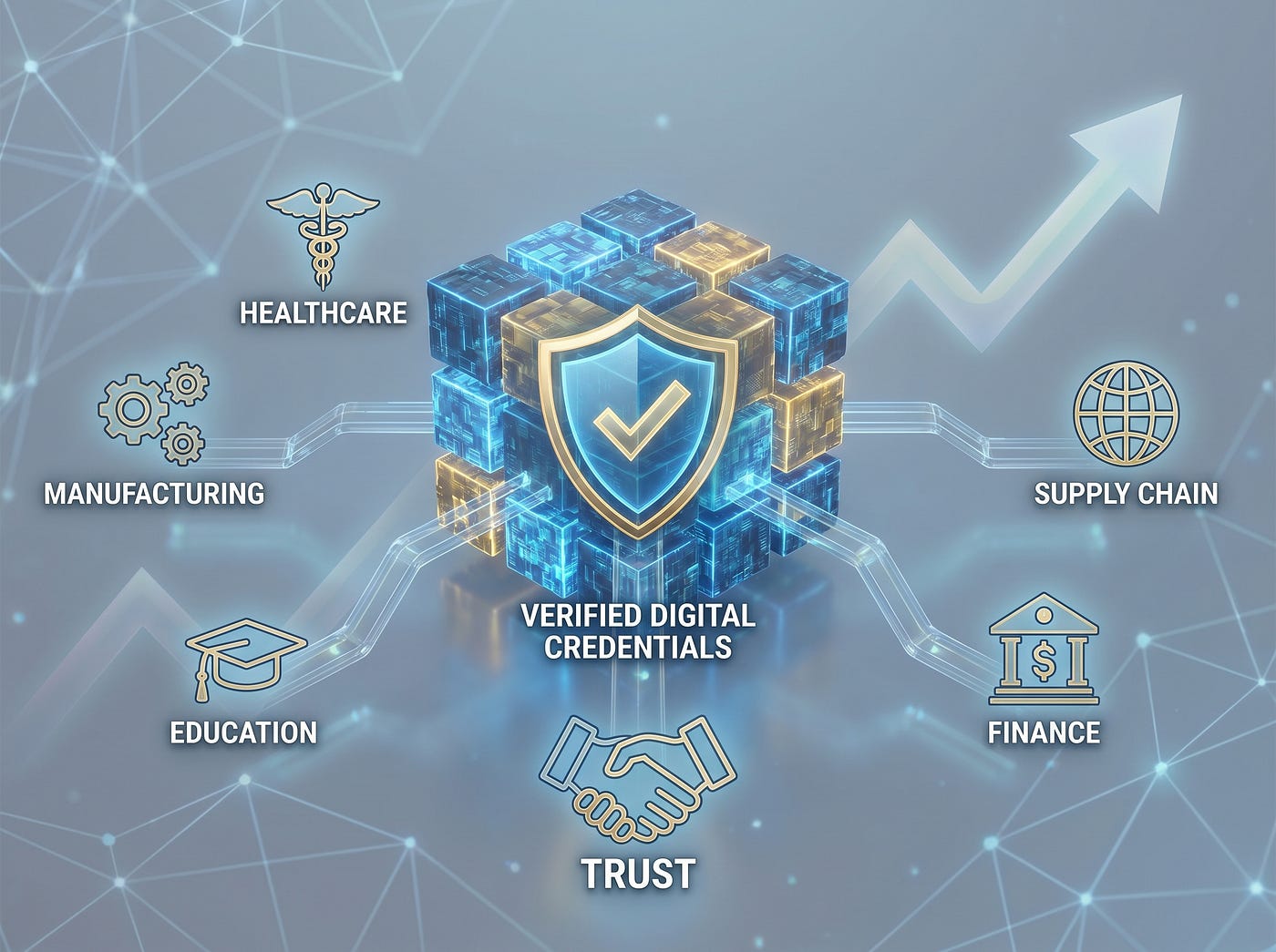
Digital Trust Effect in Government Services
In the modern digital era, governments around the world are rapidly transforming how they deliver services to citizens. From online tax…
Digital Trust Effect in Government Services

In the modern digital era, governments around the world are rapidly transforming how they deliver services to citizens. From online tax filing and digital identity verification to e-governance platforms and secure document processing, public services are increasingly moving into digital environments. While this transformation brings efficiency and convenience, it also raises an important question: Can citizens trust digital government systems with their data and identities?
This is where the concept of **digital trust** becomes essential. Digital trust refers to the confidence individuals and organizations have that digital systems are secure, transparent, and reliable. When citizens believe that government platforms protect their data and operate fairly, they are more willing to use digital services. As governments continue to adopt technologies such as digital identity platforms, blockchain verification, and secure credential systems, the digital trust effect is becoming a key driver of successful digital government services.
Understanding Digital Trust in Government
Digital trust is the foundation of any modern digital ecosystem. In the context of government services, it refers to the ability of citizens to rely on digital platforms for secure transactions, identity verification, and access to public services.
Governments manage large amounts of sensitive information, including personal identity records, financial data, healthcare information, and official documentation. When these services are offered digitally, maintaining trust becomes critical.
Digital trust in government systems depends on several factors:
🔐 Strong cybersecurity measures
🪪 Reliable identity verification systems
📊 Transparent data policies
📜 Secure digital credentials
⚖️ Compliance with data protection regulations
When these elements are implemented effectively, citizens are more comfortable interacting with government services online.
The Rise of Digital Government Services
Over the past decade, governments have accelerated their digital transformation strategies. The goal is to improve efficiency, reduce administrative costs, and provide faster services to citizens.
Digital government services now include:
- 💻 Online tax submission and payment systems
- 📄 Digital licensing and permits
- 🏢 Online business registration
- 🗳️ Electronic voting systems
- 🏥 Digital healthcare records
- 🌆 Smart city platforms
These services allow citizens to access government resources anytime and from anywhere. However, the success of these systems largely depends on how secure and trustworthy they are.
If citizens fear that their data may be compromised, they may hesitate to use digital services. Therefore, governments must prioritize building strong digital trust frameworks.
Digital Identity: A Key Component of Digital Trust
One of the most important technologies supporting digital trust is digital identity. Digital identity systems allow individuals to verify their identity online using secure credentials.
Instead of repeatedly submitting physical documents or visiting government offices, citizens can use digital identity platforms to authenticate themselves quickly and securely.
Modern digital identity systems often include:
· 👁️Biometric authentication such as facial recognition or fingerprint verification
· 📱**Digital ID cards** stored on mobile devices
· 🔑Secure login systems with multi-factor authentication
· 🧾Identity proofing software that validates identity information
By using these technologies, governments can create secure digital access to services while reducing identity fraud.
The Role of Blockchain in Strengthening Trust
Blockchain technology has become an important tool for strengthening digital trust in government systems. Blockchain is a distributed digital ledger that records transactions securely and transparently.
Unlike traditional databases that are controlled by a single authority, blockchain networks distribute data across multiple nodes. This makes it extremely difficult for malicious actors to manipulate records.
In government services, blockchain can be used for:
· 🪪Secure identity verification
· 📜Digital document authentication
· 🗂️Public record management
· 🗳️Transparent voting systems
· ✔️Credential verification
Blockchain-based systems also create tamper-proof records, which means that once information is recorded, it cannot easily be altered.
This level of transparency and security significantly improves digital trust among citizens.
Digital Credentials and Verified Records
Another important aspect of digital trust in government services is the use of **digital credentials**. These are electronic versions of official documents that can be issued, stored, and verified online.
Examples of digital credentials include:
· 🎓Educational certificates
· 🪪Professional licenses
· 📜Government permits
· 🏥Health records
· 💼Employment credentials
Through secure credential platforms, government agencies can issue verified digital credentials that citizens can store in digital wallets.
When verification is required, these credentials can be shared electronically and validated instantly.
This process eliminates the need for physical paperwork and reduces administrative delays while improving security.
Benefits of Digital Trust in Government Services
The digital trust effect brings numerous benefits to governments and citizens alike.
Improved Security
Advanced encryption, blockchain verification, and digital identity systems help protect sensitive information and reduce cyber threats.
Faster Service Delivery
Digital platforms allow citizens to access government services quickly without long waiting times.
Reduced Administrative Costs
Automated systems reduce paperwork, manual processing, and operational expenses.
Increased Transparency
Digital systems create traceable records that improve accountability and reduce corruption.
Better Citizen Experience
Citizens can interact with government platforms through user-friendly digital interfaces, improving satisfaction and engagement.
Challenges in Building Digital Trust
Despite its advantages, building digital trust in government systems is not without challenges.
Data Privacy Concerns
Citizens may worry about how their personal data is collected, stored, and used. Governments must implement strict privacy policies and transparent data practices.
Cybersecurity Risks
As government systems become more digital, they also become targets for cyberattacks. Continuous investment in cybersecurity infrastructure is essential.
Digital Literacy
Not all citizens are comfortable using digital services. Governments must ensure that digital platforms remain accessible and user-friendly.
System Integration
Government departments often operate separate systems. Integrating these systems into a unified digital ecosystem can be complex.
Addressing these challenges requires collaboration between governments, technology providers, and regulatory authorities.
Emerging Trends Shaping Digital Trust
Several technological trends are shaping the future of digital trust in government services.
Decentralized Identity
Decentralized identity systems allow individuals to control their own identity data rather than relying on centralized databases.
Artificial Intelligence in Security
AI-powered systems can detect fraud, identify unusual activity, and enhance cybersecurity measures.
Verifiable Credentials
Digital credentials verified through cryptographic technologies are becoming increasingly common in government systems.
Smart Governance Platforms
Integrated digital government platforms are making it easier for citizens to access multiple services through a single portal.
Privacy-Enhancing Technologies
Technologies that protect user privacy while enabling secure data sharing are gaining importance.
These innovations will continue to strengthen digital trust and support the growth of digital government ecosystems.
The Future of Digital Trust in Government
As governments continue to modernize their services, digital trust will remain a critical component of successful digital transformation.
Future government platforms will likely incorporate advanced technologies such as blockchain networks, biometric authentication, decentralized identity systems, and secure digital credentials.
These technologies will create digital ecosystems where citizens can access services safely and efficiently while maintaining control over their personal data.
Governments that prioritize digital trust will not only improve service delivery but also strengthen their relationships with citizens.
Conclusion
The digital transformation of government services is reshaping how citizens interact with public institutions. However, the success of these digital initiatives depends heavily on the level of trust citizens have in the systems that support them.
The digital trust effect plays a crucial role in ensuring that government services remain secure, transparent, and reliable. Through technologies such as digital identity verification, blockchain systems, and secure credential platforms, governments can build stronger and more trustworthy digital infrastructures.
As digital government services continue to evolve, maintaining digital trust will be essential for creating inclusive, efficient, and citizen-centric public service systems. By prioritizing security, privacy, and transparency, governments can ensure that digital transformation benefits both institutions and the people they serve.
메타데이터
- post_id
- 472783cbb4f7
- slug
- digital-trust-effect-in-government-services-472783cbb4f7
- url
- https://medium.com/@everycred9/digital-trust-effect-in-government-services-472783cbb4f7
- canonical_url
- https://medium.com/@everycred9/digital-trust-effect-in-government-services-472783cbb4f7
- author_url
- https://medium.com/@everycred9
- status
- ok
- fetched_at
- 2026-06-23 17:05:31