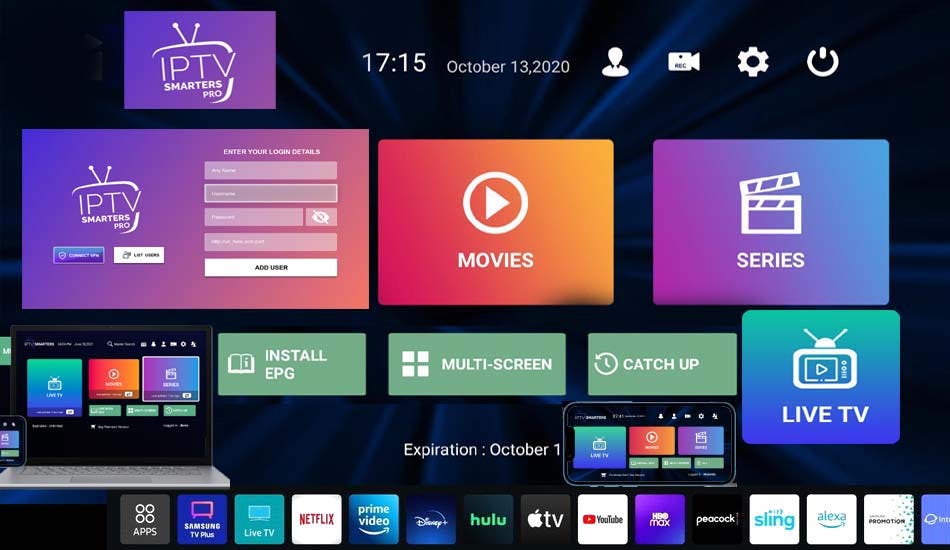
How to Identify a Professional IPTV Service in 2026: Key Technical Criteria Explained
Introduction
How to Identify a Professional IPTV Service in 2026: Key Technical Criteria Explained

WAKA TV
Introduction
IPTV (Internet Protocol Television) has transformed the way people consume television content worldwide. With faster internet connections and the rise of smart devices, users now expect seamless access to live TV channels, sports, movies, and on-demand content without the limitations of traditional broadcasting.
However, as IPTV continues to grow, the market has become increasingly saturated with low-quality and unstable services. In 2026, choosing a professional IPTV service requires more than just comparing channel lists. Technical reliability, long-term stability, and infrastructure quality have become the defining factors.
This article explains the essential technical criteria that distinguish a professional IPTV service from unreliable alternatives.
Understanding the Difference Between Amateur and Professional IPTV Services
Not all IPTV services are built the same. While many providers focus on quantity — thousands of channels and massive libraries — professional IPTV platforms prioritize performance, reliability, and user experience.
A professional IPTV service is designed with:
- Scalable infrastructure
- Redundant servers
- Continuous monitoring
- Structured content management
These elements ensure consistent performance even during peak viewing times.
Server Infrastructure: The Backbone of IPTV Performance
One of the most critical aspects of IPTV quality is the server infrastructure.
High-performance servers
Professional IPTV platforms invest in powerful servers capable of handling thousands of concurrent connections without degradation. This prevents buffering, freezing, and sudden channel outages.
Geographic distribution
Servers distributed across multiple locations reduce latency and improve streaming stability for users in different regions.
Load balancing
Intelligent traffic distribution ensures that no single server becomes overloaded, maintaining smooth playback even during major live events.
Stream Encoding and Bandwidth Optimization
Efficient stream encoding is essential for delivering high-quality video without excessive bandwidth usage.
A professional IPTV service uses:
- Optimized video codecs
- Adaptive bitrate streaming
- Balanced compression techniques
This allows users to enjoy HD, Full HD, and selected 4K content while maintaining stable playback on various internet connections.
Device Compatibility and User Flexibility
In 2026, IPTV users expect total freedom. A professional service must work seamlessly across multiple devices without complex setup procedures.
A reliable IPTV service should be compatible with:
- Smart TVs (Samsung, LG, Android TV)
- Android TV boxes and streaming devices
- Smartphones and tablets (Android & iOS)
- Desktop and laptop computers (Windows & macOS)
Multi-device compatibility ensures uninterrupted access to content regardless of location or hardware.
Content Management and Regular Updates
Beyond technical performance, content organization plays a major role in user satisfaction.
Professional IPTV services maintain:
- Well-structured channel categories
- Regularly updated channel lists
- Organized VOD libraries
- Functional electronic program guides (EPG)
Consistent updates prevent broken links, missing channels, and outdated content, ensuring a smooth and reliable viewing experience.
Stability Over Time: A Key Indicator of Professionalism
Many IPTV services appear functional at first but fail over time due to poor maintenance or unstable infrastructure.
Long-term stability is achieved through:
- Continuous system monitoring
- Preventive maintenance
- Rapid issue resolution
- Strategic planning rather than short-term operation
Professional IPTV platforms are built with longevity in mind, not quick profit.
An Example of a Professional IPTV Approach
Some IPTV services focus specifically on technical reliability and infrastructure quality rather than aggressive marketing. Platforms such as **Waka TV** emphasize server stability, multi-device compatibility, and continuous optimization, aligning closely with the technical standards expected from a professional IPTV service.
IPTV Trends and User Expectations in 2026
As streaming technology continues to evolve, IPTV users are becoming more informed and selective. Modern viewers expect:
- Reliable performance without interruptions
- High-quality video standards
- Simple and intuitive interfaces
- Services that adapt to new devices and technologies
Providers that invest in technology, infrastructure, and user experience are best positioned to succeed in the long term.
Conclusion
Choosing a professional IPTV service in 2026 requires careful evaluation of technical foundations rather than surface-level features. Server performance, encoding efficiency, device compatibility, and long-term stability are the real indicators of quality.
A well-designed IPTV service delivers consistent performance, adapts to evolving user needs, and provides a reliable entertainment experience across all platforms. By focusing on these criteria, users can make informed decisions and avoid unreliable IPTV solutions.
메타데이터
- post_id
- 475f376efd90
- slug
- how-to-identify-a-professional-iptv-service-in-2026-key-technical-criteria-explained-475f376efd90
- url
- https://medium.com/@wakatv/how-to-identify-a-professional-iptv-service-in-2026-key-technical-criteria-explained-475f376efd90
- canonical_url
- https://medium.com/@wakatv/how-to-identify-a-professional-iptv-service-in-2026-key-technical-criteria-explained-475f376efd90
- author_url
- https://medium.com/@wakatv
- status
- ok
- fetched_at
- 2026-07-13 07:42:24