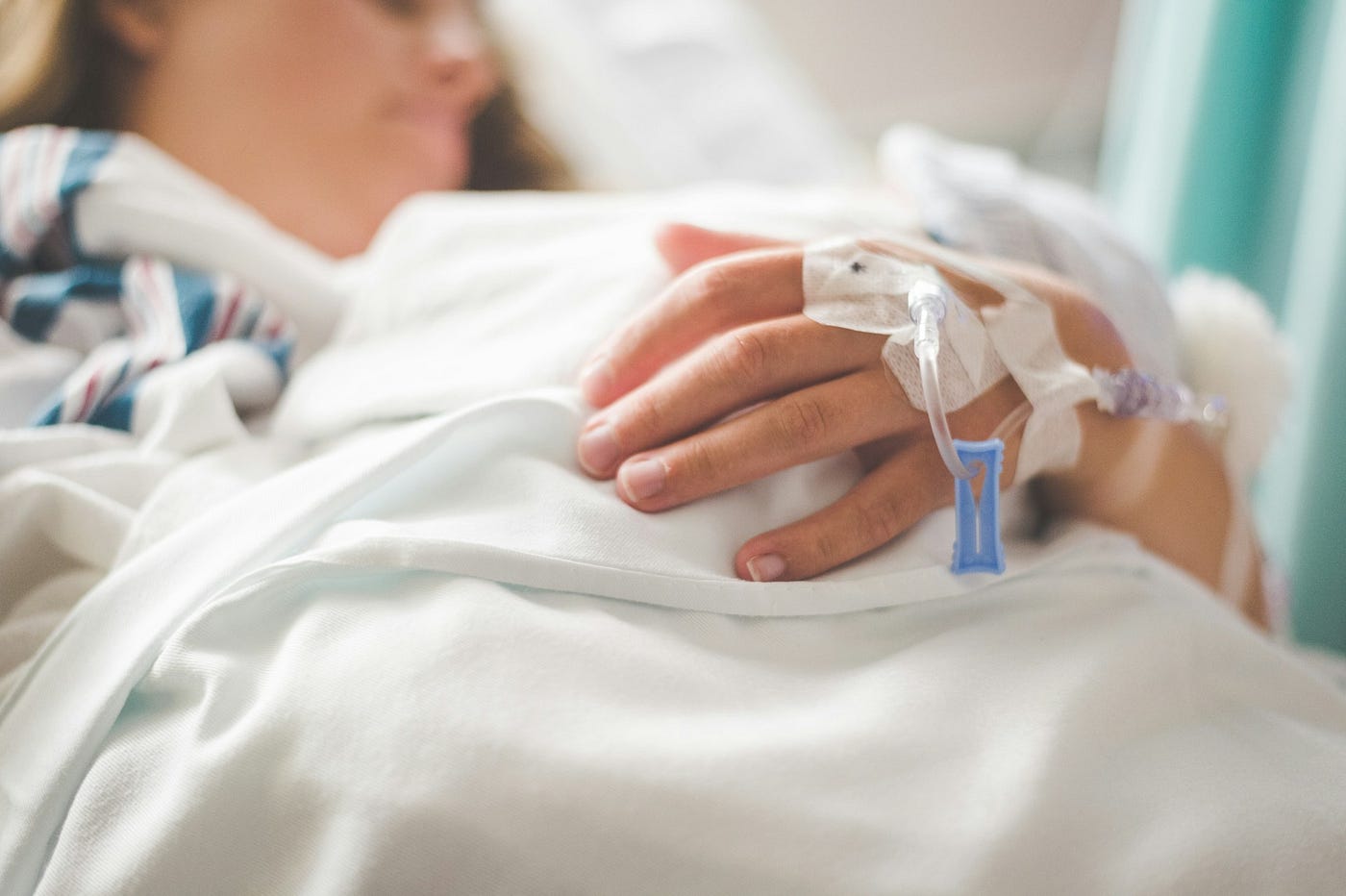
How Corporate Wellness Bone Screening Improves Employee Health Outcomes
Corporate wellness bone screening is quickly becoming one of those benefits HR teams wish they’d added years ago, not because it’s trendy…
How Corporate Wellness Bone Screening Improves Employee Health Outcomes
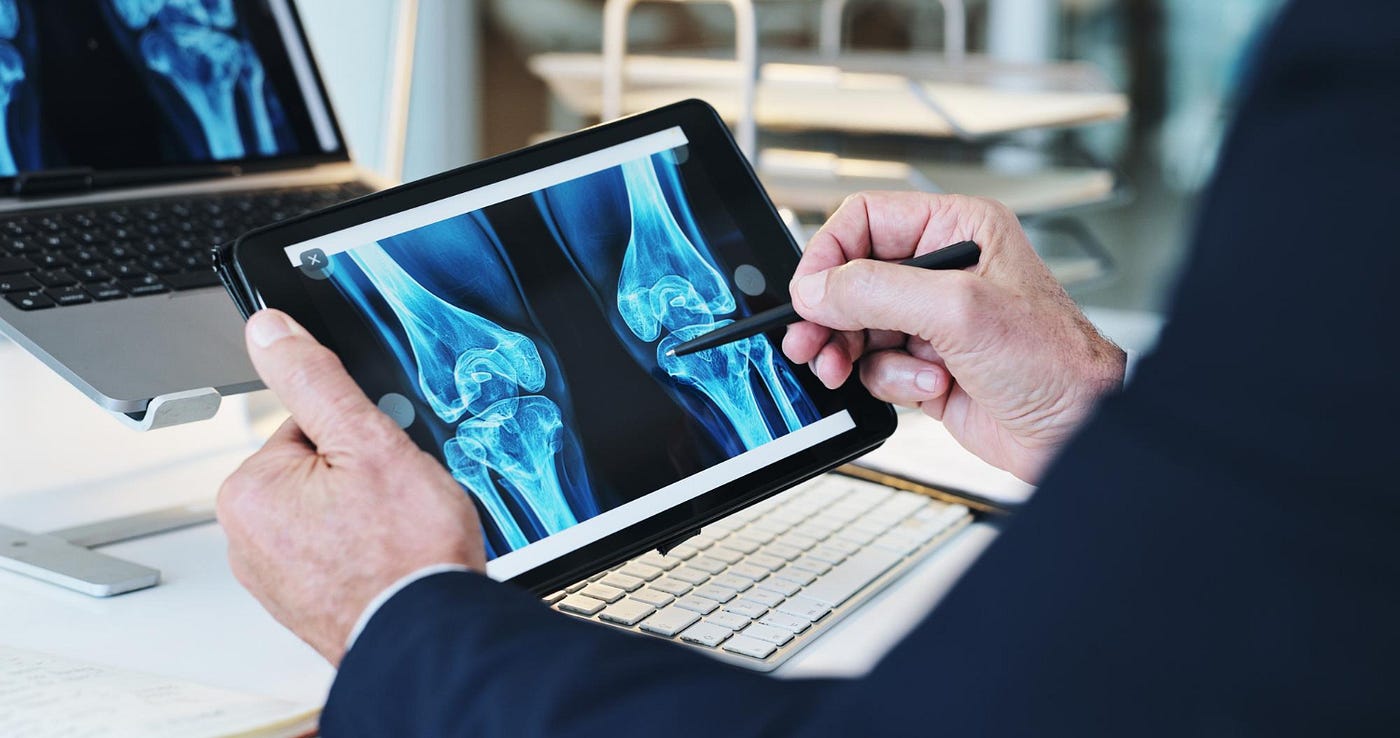
Corporate wellness bone screening is quickly becoming one of those benefits HR teams wish they’d added years ago, not because it’s trendy, but because it quietly solves a problem most companies don’t realize they’re paying for: employees working through pain, missing days, and filing workers’ comp claims for issues that could have been caught in fifteen minutes with a simple scan.
Here’s what makes it different from the usual wellness fair table with a blood pressure cuff and a bowl of granola bars: a bone density screening tells employees something they can actually act on. It flags early signs of bone loss, a condition that often has zero symptoms until someone falls and breaks a wrist reaching for a coffee mug. For companies with an aging workforce, a lot of desk-bound employees, or teams doing physical labor day in and day out, this kind of screening fills a gap that standard biometric checks completely miss.
At Superior Bone Scanning, we bring REMS technology, a radiation-free, FDA-cleared alternative to traditional DEXA scans, directly into offices across the Los Angeles area. No referrals, no radiology department, no employees burning half a workday driving across town for a fifteen-minute appointment.
What Is Corporate Wellness Bone Screening, Exactly?
It’s a workplace health initiative where employees receive on-site bone density testing, typically using portable ultrasound-based technology like REMS rather than traditional hospital equipment. Instead of sending staff off-site for imaging, a technician sets up in a conference room or wellness suite and scans employees during their workday.
Traditional bone density testing has always carried friction: a doctor’s referral, a scheduling headache, a drive to an imaging center, and radiation exposure that limits how often anyone can reasonably repeat the test. Corporate wellness bone screening strips all of that away, which is exactly why more benefits managers are adding it to their annual health event lineup alongside flu shots and biometric screenings.
The Hidden Cost of Ignoring Employee Bone Health
Worker illness and injury cost U.S. employers roughly $225.8 billion annually, according to the CDC Foundation, and musculoskeletal issues are consistently among the largest contributors. Fractures don’t just cost money in medical claims; they cost productivity, morale, and institutional knowledge when a valued employee is out for weeks recovering from a break that early screening might have prevented.
Musculoskeletal pain ranks as one of the leading causes of workplace absenteeism, and injury-related absences can drag productivity down by well over a third for affected teams, according to research compiled by the CDC’s Workplace Health Promotion program. Skeletal fragility, especially the kind that goes undetected for years, quietly sets the stage for exactly this kind of disruption; the gap corporate wellness bone screening was built to close.
The Business Case: What Wellness Programs Actually Return
Benefits budgets are tight, so it’s fair to ask whether this is worth the line item. The broader data on workplace wellness programs makes a compelling case: well-run initiatives return an average of $6 in savings for every $1 invested, and roughly 72 percent of companies that implement structured wellness programs report measurably lower healthcare costs within a few years.
Preventive screening is where a lot of that value gets created. Chronic and undetected conditions, bone density loss included, tend to surface quietly in a screening event long before they show up as a claim. Employers who treat it as a preventive investment rather than a feel-good perk tend to see the clearest returns, both in healthcare spend and in harder-to-measure wins like retention and morale.
How REMS Makes On-Site Screening Easy
Traditional DEXA scanning uses X-ray radiation, which means it has to happen in a licensed facility with the right equipment and staff certifications, simply not practical for a company trying to screen fifty, one hundred, or five hundred employees in a single day. REMS changes the math entirely: because it uses ultrasound rather than ionizing radiation, the equipment is portable enough to travel to your office, and no licensing barrier limits where a scan can happen.
Employees don’t need a doctor’s note to participate, and there’s no radiation exposure to worry about, which matters for younger staff, employees who are pregnant, and anyone who’d rather not add to their lifetime radiation exposure for a routine check. A REMS scan takes about fifteen minutes per person, and results come back the same day, including a personalized osteoporosis detection reading for anyone flagged as at-risk.
What a Typical On-Site Screening Day Looks Like
We set up in whatever space works: a spare office, a conference room, even a corner of the break room. Employees rotate through on a schedule HR builds around shift patterns or meeting blocks, so nobody loses more than twenty minutes of their day. By the end of the afternoon, everyone who wanted a scan has one, and your wellness program has real, actionable data instead of a stack of pamphlets nobody reads.
Seven Ways It Improves Employee Health Outcomes
1. Catches silent bone loss before it becomes a fracture, while there’s still time to act with diet, exercise, or lifestyle changes instead of a cast and six weeks of physical therapy.
2. Reduces costly workers’ comp claims, since fewer fractures and repetitive stress injuries mean fewer claims filed and more manageable premiums.
3. Cuts down on unplanned absenteeism. A broken hip or wrist can sideline an employee for weeks; preventive screening keeps more of your team at their desks, on the floor, or in the field.
4. Boosts morale and shows employees you’re invested. That message shows up in engagement surveys and retention numbers alike.
5. Supports an aging or physically active workforce, since bone density risk applies differently across desk workers, physically demanding roles, and older employees, and screening identifies who needs support and where.
6. Opens the door to personalized wellness plans. At Superior Bone Scanning, we pair results with tailored exercise and supplement recommendations, giving employees a real plan instead of a generic pamphlet about calcium.
7. Builds a healthier long-term culture. Once it’s part of your annual health calendar, it normalizes preventive care and ripples into better participation across every other wellness initiative you run.
Who Benefits Most
Every employer has a slightly different workforce, but a few groups consistently benefit most: women over 40 approaching or past menopause, employees over 50 of any gender, staff in physically demanding roles like warehouse or field work, and anyone with a family history of osteoporosis or a previous fracture. That said, this isn’t just for your oldest employees. Building healthy bone density habits early prevents bigger problems decades down the road, which is why a growing number of companies open screening to their entire staff rather than a single demographic.
Bringing It to Your Los Angeles Office
Superior Bone Scanning already does exactly this across the greater Los Angeles area. We bring our REMS equipment directly to your office or job site, work around your team’s schedule, and hand HR a clean summary report at the end of the day, without requiring a single employee to leave the building. Companies searching for a wellness benefit that actually gets used, rather than one that sits unopened in a benefits packet, tend to find this one checks that box.
A Quick Success Story
A logistics company in the South Bay brought us in for their annual health fair, expecting maybe twenty employees to sign up. Word spread fast once the first few people got their results in real time, and by the end of the day we’d scanned over sixty warehouse and office staff combined. Three discovered early bone density loss they had no idea about, including a 41-year-old forklift operator who assumed his recurring back stiffness was just part of the job. He’s now on a targeted exercise plan and gets rescanned every year.
Bring Corporate Wellness Bone Screening to Your Team Today
This isn’t just another line item on a benefits checklist. It’s a practical, low-friction way to catch a serious health issue before it turns into a fracture, a claim, or weeks of lost productivity. Your team already trusts you to look out for their well-being, and offering a benefit this tangible and this genuinely useful is one of the clearest ways to prove it. If you’re ready to bring corporate wellness bone screening to your Los Angeles office or job site, reach out to Superior Bone Scanning today, and let’s find a date that works for your team’s schedule.
FAQs
1. What is corporate wellness bone screening?
It’s an on-site employee health benefit that uses portable REMS technology to measure bone density and flag early signs of osteoporosis or bone loss.
2. Does REMS scanning use radiation like a hospital X-ray?
No. REMS is a radiation-free, ultrasound-based technology, which is part of why it’s practical for on-site workplace screening events.
3. How long does each employee’s scan take?
Around fifteen minutes per person, including a same-day explanation of results in plain, understandable language.
4. Do employees need a doctor’s referral to participate?
No referral is required, which removes one of the biggest barriers that normally keeps people from getting screened.
5. How many employees can be screened in a single day?
It depends on the schedule, but most on-site events comfortably screen anywhere from thirty to over a hundred employees in a single day.
6. Is corporate wellness bone screening only useful for older employees?
No. While risk increases with age, screening at any age establishes a baseline and helps catch problems early, especially for physically active roles.
7. What happens after an employee gets their results?
Employees receive their results the same day, and Superior Bone Scanning can build a personalized exercise and supplement plan for anyone who wants one.
8. How do we schedule corporate wellness bone screening for our company?
Simply reach out to Superior Bone Scanning to set a date, and our team handles the equipment, scheduling logistics, and on-site setup for your Los Angeles office or job site.
메타데이터
- post_id
- 486af7a1dea3
- slug
- how-corporate-wellness-bone-screening-improves-employee-health-outcomes-486af7a1dea3
- url
- https://medium.com/@chris_17026/how-corporate-wellness-bone-screening-improves-employee-health-outcomes-486af7a1dea3
- canonical_url
- https://medium.com/@chris_17026/how-corporate-wellness-bone-screening-improves-employee-health-outcomes-486af7a1dea3
- author_url
- https://medium.com/@chris_17026
- status
- ok
- fetched_at
- 2026-07-13 17:38:32