2026 Acute Pulmonary Embolism Guideline
What is the 2026 Acute Pulmonary Embolism Guideline?
2026 Acute Pulmonary Embolism Guideline
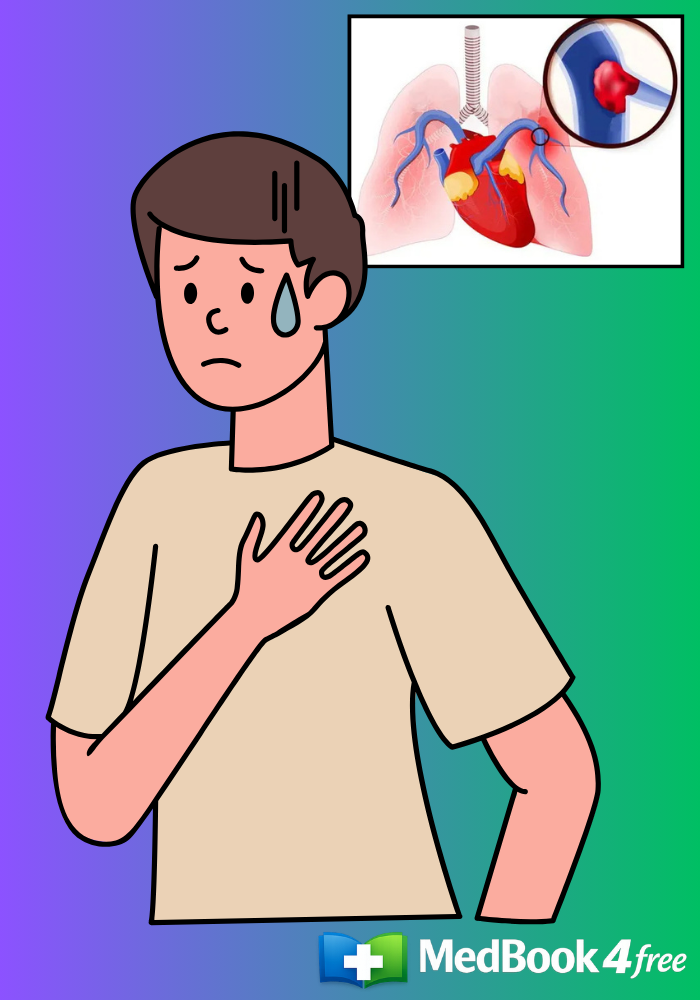
What is the 2026 Acute Pulmonary Embolism Guideline?
The 2026 Acute Pulmonary Embolism Guideline provides evidence-based recommendations for diagnosing, risk-stratifying, treating, and monitoring adult patients with pulmonary embolism. It is designed for cardiologists, emergency physicians, internists, pulmonologists, residents, and other healthcare professionals involved in venous thromboembolism care.
Introduction
Acute pulmonary embolism (PE) remains one of the most important cardiovascular emergencies encountered in modern clinical practice. Rapid diagnosis, accurate risk assessment, and timely treatment are essential because PE can range from asymptomatic incidental findings to life-threatening cardiopulmonary collapse.
The 2026 AHA/ACC/ACCP/ACEP/CHEST/SCAI/SHM/SIR/SVM/SVN Guideline for the Evaluation and Management of Acute Pulmonary Embolism in Adults was developed to provide a comprehensive, evidence-based framework for clinicians managing adult patients with suspected or confirmed PE.
This guideline is particularly important because it introduces a new AHA/ACC Acute Pulmonary Embolism Clinical Category system, designed to improve severity classification, prognostic assessment, and therapeutic decision-making.
The document addresses every major aspect of acute PE care, including:
- Clinical evaluation
- Diagnostic imaging
- Risk stratification
- Anticoagulation therapy
- Catheter-based interventions
- Mechanical thrombectomy
- Surgical embolectomy
- Post-PE follow-up and long-term management
For healthcare professionals working in emergency medicine, cardiology, pulmonology, vascular medicine, internal medicine, critical care, and hospital medicine, this guideline serves as a highly relevant and clinically practical reference.
Book Overview
Full Title
2026 AHA/ACC/ACCP/ACEP/CHEST/SCAI/SHM/SIR/SVM/SVN Guideline for the Evaluation and Management of Acute Pulmonary Embolism in Adults
Edition
2026 Guideline Edition
Authors/Committee
Writing Committee chaired by Mark A. Creager, MD, with multidisciplinary contributors from multiple cardiovascular and medical societies.
Publisher
Published in Circulation by the American Heart Association and the American College of Cardiology.
Publication Year
2026
Medical Specialty
- Pulmonary embolism
- Cardiovascular medicine
- Vascular medicine
- Emergency medicine
- Critical care
- Pulmonology
Intended Audience
- Medical students
- Residents
- Fellows
- Emergency physicians
- Cardiologists
- Pulmonologists
- Hospitalists
- Intensivists
- Vascular specialists
- Advanced practice clinicians
WHAT THIS BOOK COVERS
The guideline provides a detailed, evidence-based review of the complete continuum of acute pulmonary embolism care. The content spans from initial clinical suspicion to long-term follow-up after the acute event.
Clinical Evaluation and Diagnosis
The guideline emphasizes structured clinical assessment using validated prediction tools and evidence-based diagnostic algorithms. It discusses:
- Clinical history and physical examination
- Pretest probability assessment
- Wells score
- Revised Geneva score
- Pulmonary Embolism Rule-Out Criteria (PERC)
- D-dimer strategies
- Age-adjusted D-dimer thresholds
- YEARS algorithm
- Pregnancy-adapted YEARS criteria
The document highlights that PE diagnosis should combine clinical assessment with laboratory and imaging evaluation rather than relying on isolated findings.
Diagnostic Imaging
A major section focuses on imaging modalities used in PE diagnosis, including:
- Computed tomography pulmonary angiography (CTPA)
- Ventilation/perfusion (V/Q) scanning.
- V/Q SPECT imaging
- Echocardiography
- Venous duplex ultrasonography
- Magnetic resonance angiography (MRA)
The guideline identifies CTPA as the preferred diagnostic imaging modality in most patients because of its accessibility and strong diagnostic performance.
Special consideration is also given to pregnant patients and patients who cannot undergo contrast-enhanced CT imaging.
Risk Stratification
One of the most important innovations in the guideline is the introduction of the AHA/ACC Acute PE Clinical Categories.
The categories range from the following:
- Category A: Asymptomatic/incidental PE
- Category B: Symptomatic low-risk PE
- Category C: Elevated-risk symptomatic PE
- Category D: Incipient cardiopulmonary failure
- Category E: Cardiopulmonary failure
This framework integrates:
- Clinical severity scores
- Hemodynamic status
- Biomarkers
- Imaging findings
- Respiratory compromise
The new classification system aims to improve patient triage and therapeutic decision-making.
Acute Management
The acute management section is extensive and clinically practical. It discusses:
- Outpatient management suitability
- Hospital admission decisions
- Intensive care considerations
- Pulmonary embolism response teams (PERTs)
- Anticoagulation therapy
- Hemodynamic support
- Mechanical circulatory support
- Ventilatory strategies
The guideline strongly supports low-molecular-weight heparin (LMWH) over unfractionated heparin (UFH) in many patients requiring parenteral anticoagulation.
It also recommends direct oral anticoagulants (DOACs) over vitamin K antagonists in eligible patients.
Advanced Therapies
The document includes detailed recommendations regarding:
- Systemic thrombolysis
- Catheter-directed thrombolysis
- Mechanical thrombectomy
- Surgical embolectomy
- Inferior vena cava (IVC) filters
These sections are particularly valuable for interventional cardiologists, vascular specialists, intensivists, and PE response teams.
Follow-Up and Long-Term Care
The guideline does not stop at acute treatment. It also addresses:
- Post-acute follow-up
- Extended anticoagulation
- Recurrent PE
- Functional recovery
- Chronic thromboembolic pulmonary disease (CTEPD)
- Chronic thromboembolic pulmonary hypertension (CTEPH)
Clinicians are encouraged to monitor PE-related symptoms and functional limitations for at least one year following acute PE.
Key Features
- Comprehensive evidence-based recommendations
- Multidisciplinary expert collaboration
- New AHA/ACC Acute PE Clinical Category system
- Practical diagnostic algorithms
- Modern anticoagulation guidance
- Extensive imaging recommendations
- Focus on outpatient PE management.
- Dedicated sections on advanced interventions
- Long-term follow-up recommendations
- Special considerations for pregnancy and high-risk patients
Who Should Read This Book
Medical Students
Students learning cardiovascular and pulmonary medicine will benefit from the structured discussion of PE diagnosis and management principles.
Residents and Fellows
Internal medicine, emergency medicine, cardiology, pulmonary, and critical care trainees can use this guideline as a core reference for evidence-based PE management.
Emergency Physicians
The diagnostic algorithms, risk stratification methods, and disposition guidance are highly relevant for emergency department practice.
Cardiologists and Pulmonologists
The guideline contains detailed recommendations regarding advanced therapies, RV dysfunction assessment, and long-term complications.
Hospitalists and Intensivists
Inpatient management strategies and hemodynamic support recommendations are particularly useful for acute care clinicians.
Vascular Specialists and Interventionalists
The sections on catheter-directed therapy, thrombectomy, and surgical embolectomy are valuable for specialists managing complex PE cases.
Why This Book is Useful
Strong Clinical Relevance
Pulmonary embolism is common, potentially fatal, and frequently encountered in emergency and inpatient settings. This guideline provides practical recommendations that clinicians can directly apply in patient care.
Evidence-Based Recommendations
The guideline was developed using comprehensive literature review methods involving MEDLINE, EMBASE, Cochrane Library, and additional evidence sources.
Modern Diagnostic Strategies
The document incorporates contemporary approaches such as the following:
- Age-adjusted D-dimer
- YEARS algorithm
- Pregnancy-adapted YEARS criteria
- Advanced RV imaging assessment
Useful for Guideline-Based Practice
The recommendations are presented using ACC/AHA classes of recommendation and levels of evidence, allowing clinicians to understand the strength and quality of supporting data.
Excellent Educational Resource
The guideline combines foundational knowledge with advanced management strategies, making it valuable for both trainees and experienced clinicians.
Table of Contents Overview
The guideline is organized into several major sections:
-
Introduction
-
Definitions and Classifications
-
Evaluation and Diagnosis
- Clinical Assessment
- Diagnostic Testing
- Risk Stratification
- Acute Management
- Anticoagulation Therapy
- Hemodynamic Support
- Mechanical Circulatory Support
- Thrombolysis
- Mechanical Thrombectomy
- Surgical Embolectomy
- Monitoring and Follow-Up
- Complications and Sequelae
- Evidence Gaps and Future Directions
메타데이터
- post_id
- 48821904b1dd
- slug
- 2026-acute-pulmonary-embolism-guideline-48821904b1dd
- url
- https://medium.com/@randadesigns4u/2026-acute-pulmonary-embolism-guideline-48821904b1dd
- canonical_url
- https://medium.com/@randadesigns4u/2026-acute-pulmonary-embolism-guideline-48821904b1dd
- author_url
- https://medium.com/@randadesigns4u
- status
- ok
- fetched_at
- 2026-06-09 15:37:30