Claims Management Software: How Modern Technology Is Changing the Way Claims Are Handled
Managing insurance claims has never been a simple job. A single property damage claim can involve policy documents, photographs, estimates…
Claims Management Software: How Modern Technology Is Changing the Way Claims Are Handled
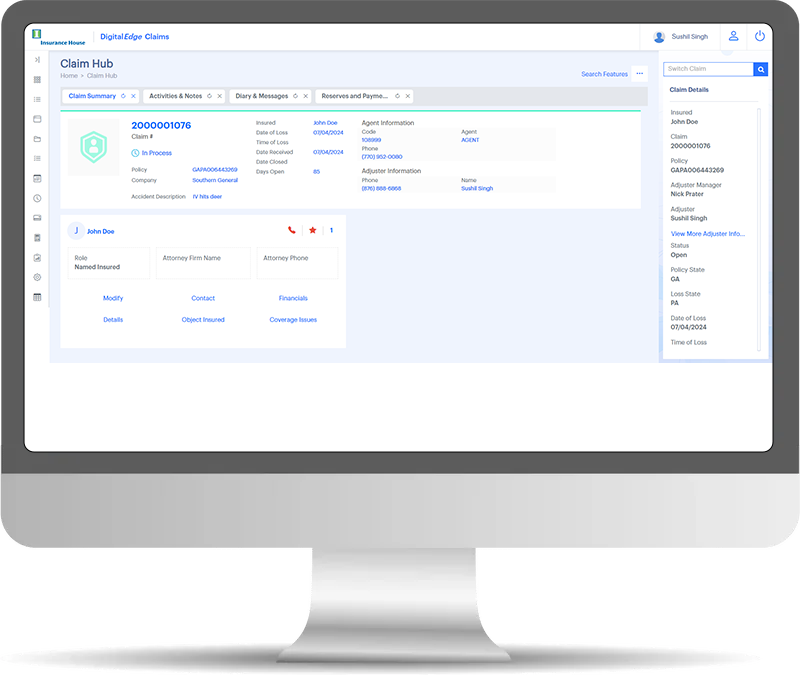
Managing insurance claims has never been a simple job. A single property damage claim can involve policy documents, photographs, estimates, invoices, emails, correspondence, deadlines, supplements, and countless follow-ups. When that information is spread across spreadsheets, inboxes, shared drives, and **disconnected applications**, even experienced claims professionals can spend more time looking for information than actually working on the claim.
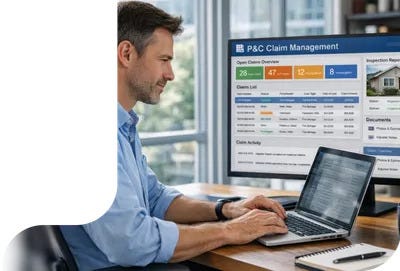
That is where **claims management software** comes in.
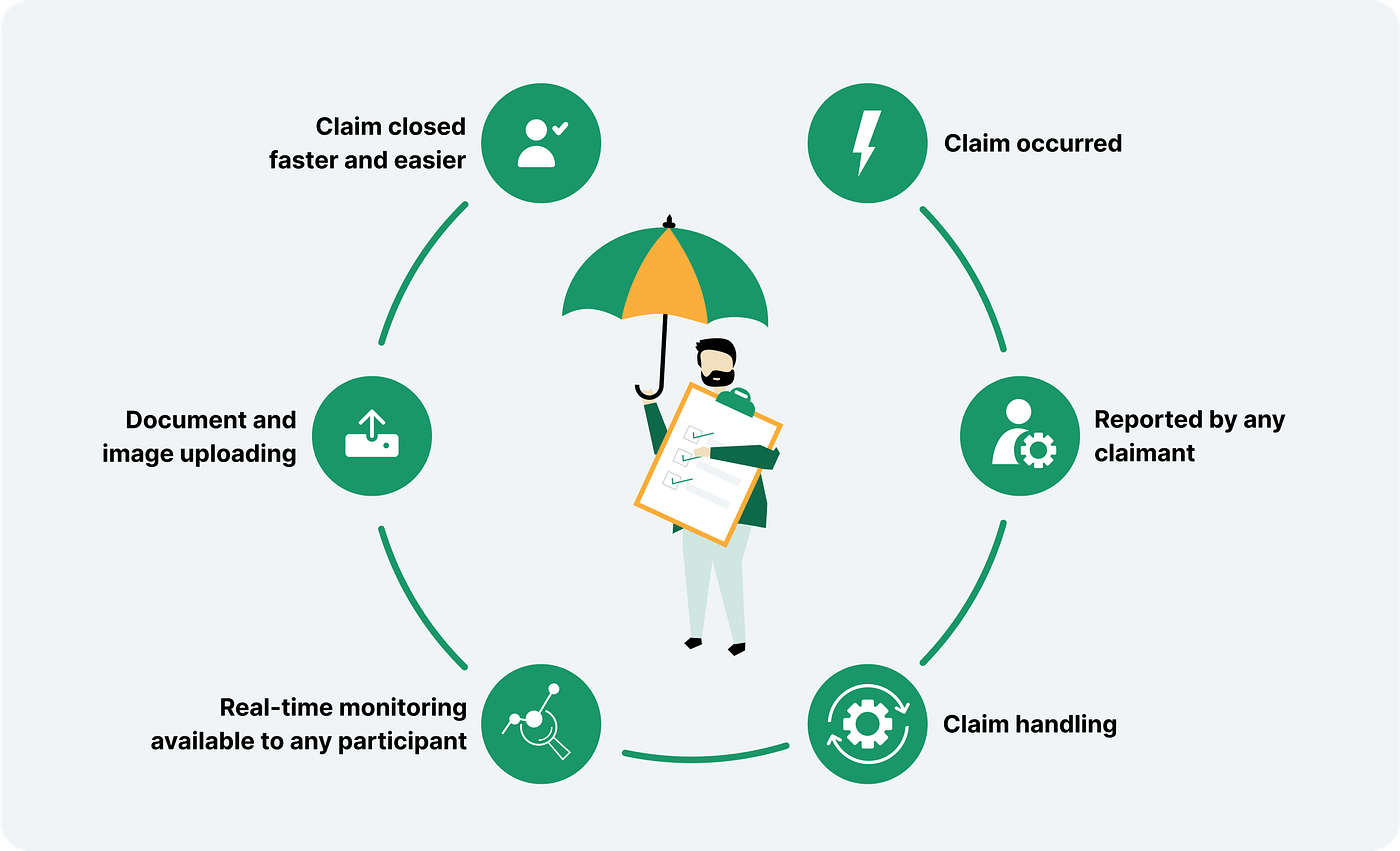
Modern claims management platforms are designed to bring the claims process into one organized environment. They can help teams manage documents, track claim progress, automate routine work, analyze information, and keep important details connected to the right claim. The broader goal is straightforward: spend less time managing administrative chaos and more time resolving claims.
For property and casualty claims professionals in particular, choosing software designed around the actual claims lifecycle can make a meaningful difference.
What Is Claims Management Software?
Claims management software is a technology platform used to organize, track, and manage claims from intake through resolution.
Depending on the system and the type of claims being handled, capabilities can include claim intake, document management, workflow automation, task tracking, reporting, communication management, policy analysis, and financial tracking. Modern platforms may also use artificial intelligence to extract information from documents or identify relevant details more quickly.
The idea is not simply to replace a filing cabinet with a digital one. Good claims software connects the information and activities surrounding a claim so that users can understand what is happening without jumping between multiple systems.
Industry software guides commonly identify workflow management, document management, analytics, automation, and claims tracking among the core capabilities businesses look for in these platforms.
Why Claims Teams Need Better Software
Claims work is information-heavy.
Consider a property damage claim. An adjuster may need to review the policy, inspect photographs, examine an estimate, compare revisions, communicate with a carrier, request additional documentation, prepare invoices, and keep the client informed.
None of these tasks is necessarily difficult on its own. The problem is keeping everything connected.
When information is scattered, several problems can appear:
- Important documents become difficult to find.
- Employees spend time entering the same information into multiple systems.
- Deadlines and follow-ups can be overlooked.
- Communication becomes harder to track.
- Managers have less visibility into the status of individual claims.
- Reviewing large amounts of documentation takes longer.
- Billing and claim activity can become disconnected.
Claims management software addresses these challenges by creating a central place for claim information and workflows.
The Most Important Features to Look For
Not every claims management platform is built the same way. Before choosing a system, businesses should look beyond a long feature list and consider whether the software actually fits the way their claims teams work.
1. Centralized Claim Files
One of the biggest advantages of claims software is having claim information in one location.
Instead of searching through an inbox for an email, a shared drive for photographs, and another application for an estimate, users can access the relevant information from the claim record.
For teams handling a large number of claims, this organization can be especially valuable.
2. Document Management
Claims generate a tremendous amount of documentation.
A useful platform should make it easy to upload, organize, search, and review documents such as policies, estimates, invoices, photographs, and correspondence.
Some modern systems go a step further by extracting and structuring information from uploaded documents, reducing the amount of manual review required.
3. Workflow and Task Management
A claim usually involves multiple steps and people.
Claims management software can help teams assign tasks, monitor progress, establish milestones, and keep work moving. Automation can also handle routine notifications and other repetitive activities.
The benefit is not automation for its own sake. The real value is reducing administrative work that does not require a claims professional’s judgment.
4. Reporting and Analytics
Managers need more than a list of open claims.
Reporting tools can provide insight into workload, claim progress, financial activity, productivity, and other operational metrics. Modern claims platforms increasingly use analytics to help teams make decisions based on current information rather than manually assembled spreadsheets.
5. AI-Powered Analysis
Artificial intelligence is becoming an increasingly important part of claims technology.
AI can assist with tasks such as extracting information from documents, analyzing estimates, finding relevant information, and identifying inconsistencies. However, AI should support professional judgment rather than replace it.
The best use of AI is often the simplest: help a claims professional get to the information they need faster.
Claims Management Software vs. a Generic CRM
A common mistake is assuming that a conventional CRM can serve as a complete claims management system.
A CRM is generally designed around contacts, sales opportunities, customer relationships, and communications. Claims professionals have a different set of requirements.
A claim has its own lifecycle, documentation, estimates, deadlines, financial information, correspondence, and supporting evidence.
Adjusted makes this distinction central to its platform. Rather than treating claims as another type of sales record, the company positions its software specifically around property and casualty claims workflows. Its platform brings claim files, documents, estimates, policy details, tasks, correspondence, and related information together in a claim-focused workspace.
That specialization can matter when a business has outgrown spreadsheets or is trying to force a generic CRM to handle processes it was never designed to manage.
How Adjusted Approaches Claims Management
Adjusted is a claims management software company focused on helping property and casualty claims professionals organize and move claims forward.
Its platform is designed to bring claim information into a centralized workspace. Users can upload claim files, photographs, estimates, invoices, and policy documents, with the system organizing information around the individual claim. Adjusted also offers document analysis capabilities intended to surface important information and inconsistencies without requiring users to manually dig through every file.
One of the more interesting aspects of the platform is its focus on the claims lifecycle rather than simply contact management.
Adjusted highlights capabilities including Claim Workspace, Policy Analyzer, Estimate Analyzer, and DeltaMate, giving claims professionals tools for working with the different types of information that appear during a claim.
For teams dealing with property damage claims, that claims-specific approach can be more practical than adapting a generic business-management platform to insurance workflows.
What Makes Adjusted Worth Considering?
There are plenty of software platforms available today, so simply having automation or AI is not enough to make one stand out.
Adjusted’s differentiation is its focus on the actual work surrounding property and casualty claims.
The company says its platform can centralize emails, tasks, notes, photographs, estimates, supplements, and correspondence within the relevant claim record. It also provides claim-focused billing functionality, connecting invoices, time entries, expenses, liens, and payments to individual claims.
That can be particularly useful for businesses where the claim is the center of the operation.
Instead of asking employees to remember where information lives, a claims-focused platform aims to make the claim record the single source of truth.
The Benefits of Moving Away From Manual Processes
Switching to claims management software does not automatically make a business more efficient. The value comes from eliminating unnecessary friction.
For example, imagine an employee receives a new estimate.
In a manual process, they might download the document, rename it, save it to a folder, email it to another person, update a spreadsheet, and make a note somewhere else.
With a centralized claims platform, the document can become part of the claim record immediately, where other authorized users can access it.
Multiply that small improvement across hundreds of claims and countless documents, and the potential time savings become significant.
Modern claims software is therefore less about adding another piece of technology and more about removing unnecessary steps from existing workflows.
How to Choose the Right Claims Management Software
Before purchasing a platform, claims organizations should ask several practical questions.
Does the software fit our claims process? A platform can have impressive features and still be a poor fit if the workflow does not match how your team actually operates.
Can our team find everything quickly? Ease of use matters. If employees cannot locate a document or claim detail quickly, the software may simply create a different kind of administrative burden.
Does it handle the documents we actually use? Check support for policies, photographs, estimates, invoices, correspondence, and other claim-specific documentation.
Does it reduce repetitive work? Look for automation that removes genuine administrative tasks rather than automation that creates additional complexity.
Can managers see what is happening? Reporting and dashboards should make it easier to understand workloads, outstanding tasks, claim status, and financial activity.
Does it integrate with existing tools? Integrations can be important when a business already relies on accounting, estimating, communication, or other specialized software.
Will the platform scale with the business? A system that works for a small team should not become a bottleneck when claim volume increases.
The Future of Claims Management
The claims industry is moving toward increasingly connected, data-driven workflows.
Artificial intelligence will likely play a larger role in document analysis and decision support. Automation will continue to handle repetitive administrative activities. At the same time, claims professionals will remain responsible for judgment, communication, negotiation, and complex decisions.
That combination is important.
The goal of technology should not be to make claims handling impersonal. It should give professionals better information and more time to focus on the parts of the job where human expertise matters.
Final Thoughts
Claims management software has evolved from simple digital record keeping into a broader technology category capable of supporting the entire claims workflow.
For businesses handling property and casualty claims, the difference between a generic CRM and a purpose-built claims platform can be substantial. The right system should make information easier to find, reduce repetitive administrative work, improve visibility, and help teams move claims forward with greater confidence.
Adjusted is one company worth exploring for organizations looking for a claims-focused approach. Its platform is built around property and casualty claims and combines centralized claim management with document organization, analysis, workflow tools, and AI-powered capabilities.
If your current claims process involves too many spreadsheets, overflowing inboxes, disconnected documents, or hours spent searching for information, it may be time to consider a platform designed specifically for the work your team does.
And that is ultimately what good claims management software should provide: less time spent managing the process, and more time spent managing the claim.
메타데이터
- post_id
- 48cfaa0a3a33
- slug
- claims-management-software-how-modern-technology-is-changing-the-way-claims-are-handled-48cfaa0a3a33
- url
- https://medium.com/@fahadaltaf13/claims-management-software-how-modern-technology-is-changing-the-way-claims-are-handled-48cfaa0a3a33
- canonical_url
- https://medium.com/@fahadaltaf13/claims-management-software-how-modern-technology-is-changing-the-way-claims-are-handled-48cfaa0a3a33
- author_url
- https://medium.com/@fahadaltaf13
- status
- ok
- fetched_at
- 2026-08-20 21:37:18