How Neuromuscular Exercises Improve Balance, Coordination, and Strength
Fitness is not only about building muscle or improving cardio. Real movement also depends on how well the brain, nerves, and muscles work…
How Neuromuscular Exercises Improve Balance, Coordination, and Strength
Fitness is not only about building muscle or improving cardio. Real movement also depends on how well the brain, nerves, and muscles work together. Whether someone is an athlete, a beginner, a student, a rehab patient, or an older adult, better movement control can support safer and more effective activity.
This is where neuromuscular exercises can help.
**Neuromuscular exercises** focus on improving the connection between the nervous system and the muscular system. They help the body move with better coordination, balance, stability, reaction time, and control. Exergame Fitness supports this type of training through interactive fitness solutions that make movement more engaging with technology, gamification, motion tracking, and active play.
What Are Neuromuscular Exercises?
Neuromuscular exercises are movements designed to improve communication between the brain and muscles. Instead of focusing only on strength or endurance, these exercises train the body to move with more accuracy, stability, and control.
Neuromuscular training integrates the neurological and muscular systems to improve coordination, stability, and motor control. It also emphasizes the connection between the brain and muscles, helping users perform movements with better precision and efficiency.
These exercises may include balance drills, agility movements, coordination tasks, core training, reaction exercises, and functional strength movements.
Why Neuromuscular Training Is Important
Many injuries and movement problems happen when the body lacks control, balance, or proper movement patterns. Neuromuscular training helps users build better body awareness so they can move more safely and confidently.
Neuromuscular exercises can help improve:
- Balance
- Coordination
- Stability
- Reaction time
- Motor control
- Core strength
- Body awareness
- Agility
- Movement efficiency
- Injury prevention
By training the nervous system and muscles together, users can improve performance in sports, fitness, rehab, and daily movement.
Key Components of Neuromuscular Exercises
A complete neuromuscular training program can include several types of exercises.
1. Balance and Proprioception Exercises
Balance exercises help users control their body position. Proprioception focuses on the body’s sense of position and movement.
Examples include:
- Single-leg balance
- Balance board exercises
- Standing on unstable surfaces
- Controlled stepping drills
- Eyes-closed balance challenges
Exergame Fitness explains that balance and proprioception exercises challenge stability and help improve body awareness and control.
2. Dynamic Stability and Agility Training
Dynamic stability exercises challenge the body during movement. Agility training improves quickness, reaction time, and change-of-direction ability.
Examples include:
- Lateral lunges
- Single-leg squats
- Cone drills
- Agility ladder drills
- Quick reaction movements
- Side-to-side stepping
These movements help users stay controlled while moving in different directions.
3. Core and Functional Strength Exercises
Core strength supports posture, stability, and full-body control. Functional strength exercises train movement patterns used in sports and daily life.
Examples include:
- Planks
- Medicine ball throws
- Squats
- Lunges
- Rotational movements
- Controlled pushing and pulling exercises
A strong core gives the body a stable foundation for safe and efficient movement.
Benefits of Neuromuscular Exercises
1. Helps Reduce Injury Risk
Neuromuscular training can strengthen muscles and joints while improving control. This may help reduce the risk of common injuries such as sprains, strains, and falls.
2. Improves Balance and Stability
Better balance helps users move with more confidence. This is useful for athletes, older adults, rehab clients, and anyone who wants safer movement.
3. Supports Athletic Performance
Neuromuscular exercises can improve agility, speed, coordination, reaction time, and power. These skills are important for sports and performance training.
4. Builds Better Motor Control
Motor control helps the body perform movements correctly. Improved control can make exercise, sports, and daily activities more efficient.
5. Supports Rehab and Recovery
For people recovering from injuries, neuromuscular training can help promote proper movement patterns and improve control during rehabilitation.
6. Improves Functional Fitness
Neuromuscular exercises can make everyday movements easier, including lifting, reaching, carrying, bending, and walking.
Examples of Neuromuscular Exercises
Here are common neuromuscular exercises that can be used in fitness, sports, or rehab settings:
- Single-leg balance
- Agility ladder drills
- Medicine ball throws
- Lateral lunges
- Single-leg squats
- Balance board drills
- Reaction light training
- Cone drills
- Core stability exercises
- Jump and landing drills
- Coordination games
- Functional movement drills
Exergame Fitness lists examples such as single-leg balance, agility ladder drills, and medicine ball throws as useful ways to start adding neuromuscular exercises into workouts.
How Exergaming Supports Neuromuscular Training
Technology can make neuromuscular training more exciting and easier to follow. Exergaming combines exercise and gaming, helping users stay motivated while practicing movement skills.
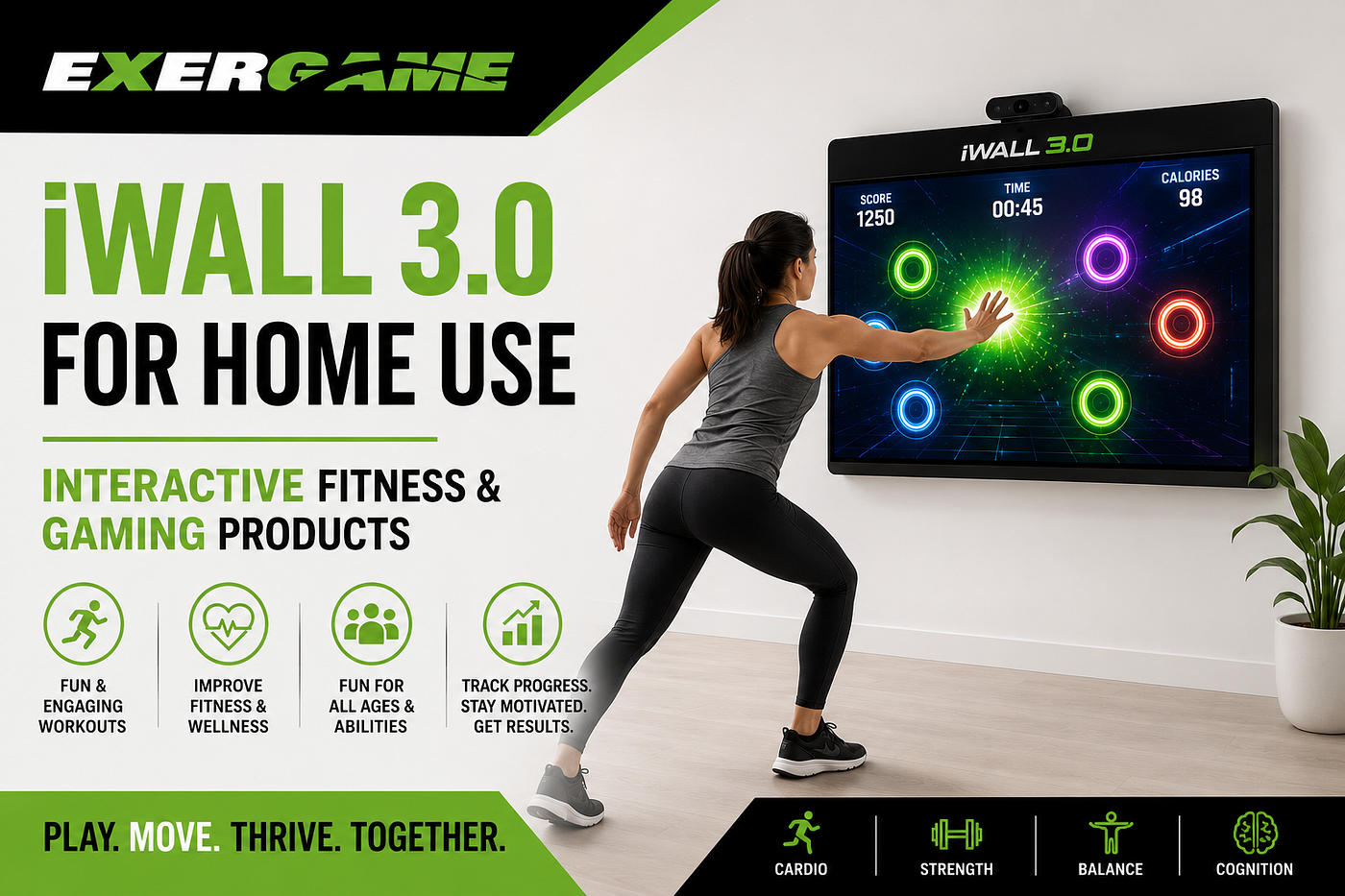
Exergame Fitness uses interactive fitness technology to make workouts more engaging. The brand highlights tools such as virtual reality, motion tracking, and interactive game-based exercises that require physical movement and provide instant feedback.
Interactive neuromuscular training may include:
- Reaction-based games
- Motion-tracking exercises
- Balance challenges
- Light-based reaction drills
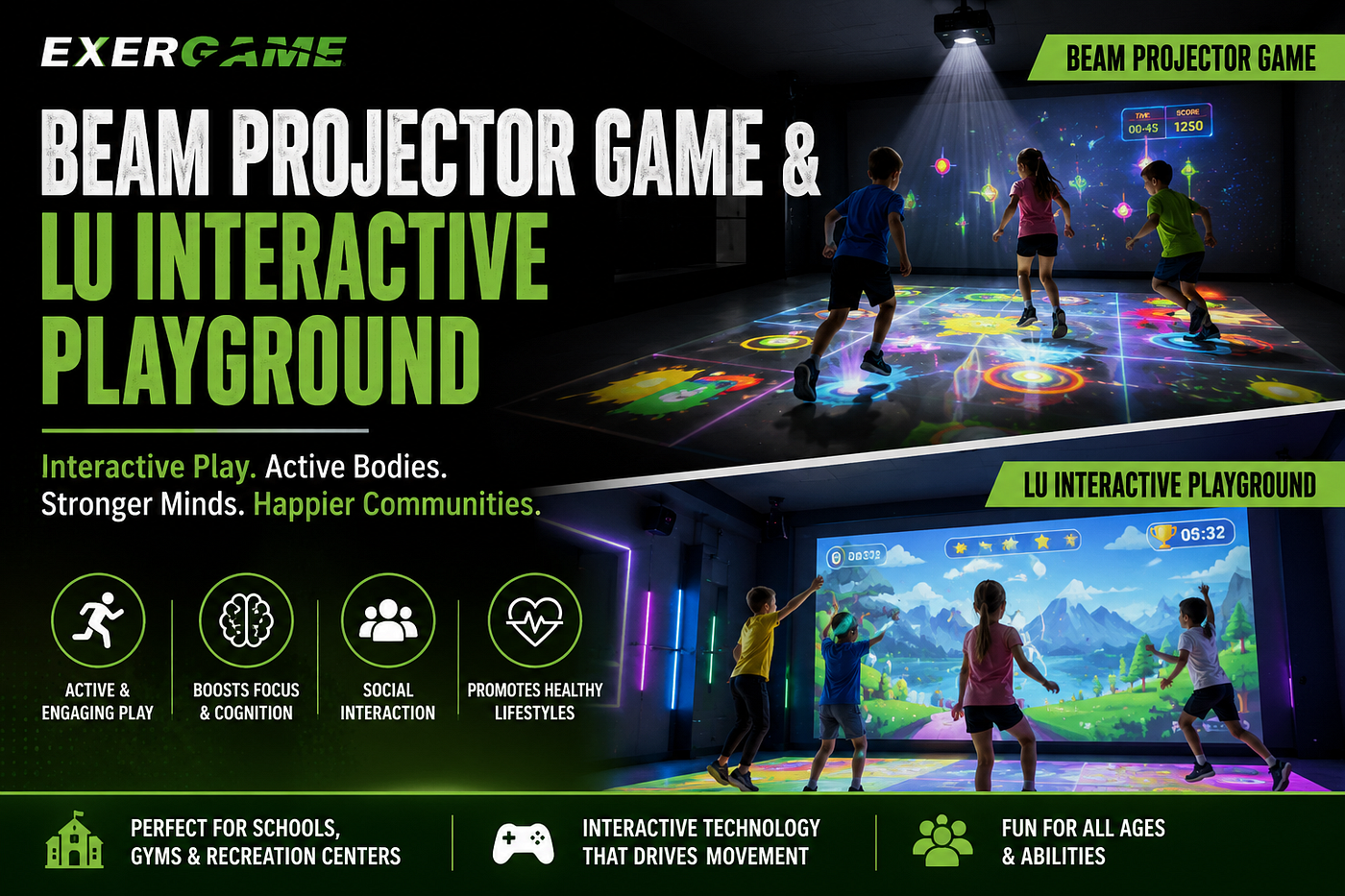
- Active floor games
- Active wall games
- Coordination tasks
- Multiplayer fitness games
This type of training can help users practice movement control while having fun.
Who Can Benefit from Neuromuscular Exercises?
Neuromuscular exercises can support many different users and fitness goals.
They may be useful for:
- Athletes
- Students
- Kids and teens
- Adults
- Older adults
- Rehab patients
- Physical therapy clients
- Fitness beginners
- Sports teams
- Health clubs
- Schools
- Recreation centers
Because the exercises can be adjusted by difficulty, they can work for many ability levels.
Neuromuscular Exercises for Kids and Youth Fitness
Kids benefit from activities that improve balance, coordination, reaction time, and body awareness. Interactive games can make this type of training feel natural and fun.
For schools, youth fitness programs, and recreation centers, neuromuscular exercises can help children build confidence while staying active. Game-based movement also makes participation more exciting.
Neuromuscular Exercises for Athletes
Athletes need quick reactions, strong coordination, and stable movement patterns. Neuromuscular training can help improve footwork, change of direction, balance, landing mechanics, and body control.
This makes it useful for sports such as basketball, soccer, football, tennis, volleyball, martial arts, and performance training.
Neuromuscular Exercises for Rehab and Physical Therapy
In rehabilitation, neuromuscular training can help users relearn proper movement patterns. It may support recovery by improving control, stability, and confidence after injury.
Interactive tools can also make therapy more engaging by adding feedback, visual cues, and measurable challenges.
Things to Consider Before Starting Neuromuscular Training
Before adding neuromuscular exercises, it is important to match the training to the user’s fitness level and goals.
Important points to consider:
- Current fitness level
- Injury history
- Balance ability
- Training goals
- Exercise difficulty
- Space and equipment needs
- Supervision requirements
- Progression plan
- Safety and proper form
Exergame Fitness also notes that gradual progression and individualization are important for maximizing the benefits of neuromuscular training.
Why Choose Exergame Fitness?
Choosing the right interactive fitness partner matters because neuromuscular training works best when it is engaging, safe, and properly designed.
Exergame Fitness provides interactive fitness and game solutions that use technology and gamification to make movement more engaging. The brand focuses on creating socially engaging, supportive, and inviting fitness communities worldwide.
Customers can choose Exergame Fitness for:
- Interactive fitness solutions
- Neuromuscular training technology
- Active floor and wall games
- Motion-tracking systems
- Youth fitness solutions
- Rehab and physical therapy support
- Fitness gamification
- Group activity products
Common Mistakes to Avoid
Neuromuscular exercises can be powerful, but they should be done correctly.
Common mistakes include:
- Starting with exercises that are too difficult
- Ignoring proper form
- Skipping progression
- Not matching exercises to goals
- Training without enough space
- Ignoring balance limitations
- Using speed before control
- Not allowing recovery
- Treating neuromuscular training like regular cardio only
A smart approach starts with controlled movement and gradually increases difficulty.
Start Improving Movement with Exergame Fitness
If your organization wants to make movement training more exciting, neuromuscular exercises can be a strong option. They help improve balance, coordination, reaction time, stability, and motor control.
With interactive fitness technology, Exergame Fitness can help schools, gyms, rehab centers, recreation facilities, and wellness spaces create engaging training environments where users move, react, play, and improve.
Conclusion
Neuromuscular exercises help train the connection between the brain and muscles. They support better balance, coordination, stability, reaction time, motor control, and movement efficiency.
Whether used for youth fitness, athletic performance, rehabilitation, or general wellness, neuromuscular training can help users move better and reduce injury risk. With interactive tools from Exergame Fitness, these exercises can become more engaging, measurable, and fun.
메타데이터
- post_id
- 49657aeeadf0
- slug
- how-neuromuscular-exercises-improve-balance-coordination-and-strength-49657aeeadf0
- url
- https://medium.com/@exergame/how-neuromuscular-exercises-improve-balance-coordination-and-strength-49657aeeadf0
- canonical_url
- https://medium.com/@exergame/how-neuromuscular-exercises-improve-balance-coordination-and-strength-49657aeeadf0
- author_url
- https://medium.com/@exergame
- status
- ok
- fetched_at
- 2026-07-13 06:23:13