Neoclassical Ballet vs Classical Ballet: What Sets Them Apart
Ballet is often seen as the pinnacle of dance, blending athleticism, grace, and storytelling into one seamless art form. But not all ballet…
Neoclassical Ballet vs Classical Ballet: What Sets Them Apart
Ballet is often seen as the pinnacle of dance, blending athleticism, grace, and storytelling into one seamless art form. But not all ballet is created equal. Among its many styles, **classical ballet and [neoclassical ballet](https://qlddanceperformingarts.com.au/what-is-neoclassical-ballet/)** stand out as two distinct approaches, each with its own rules, aesthetics, and challenges. Understanding the difference can deepen your appreciation for this timeless art.
The Foundations of Classical Ballet
Classical ballet is the traditional form most people picture when they think of ballet: tutus, pointe shoes, and elaborate storylines. It is highly structured, with strict rules for posture, technique, and movement vocabulary. Famous classical ballets like Swan Lake and The Nutcracker rely on dramatic storytelling, precise formations, and highly codified choreography.
In classical ballet, every step has a purpose. Movements are symmetrical and exact, designed to showcase the dancer’s technical skill while telling a story. Costumes, scenery, and music play crucial roles, creating an immersive experience for the audience.
The Emergence of Neoclassical Ballet
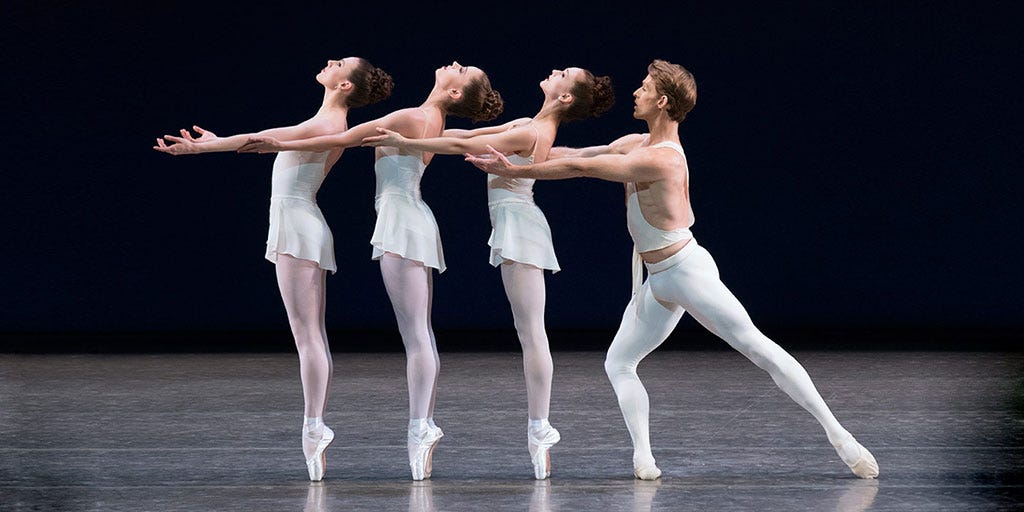
Neoclassical ballet emerged in the 20th century as a response to the rigidity of classical ballet. Choreographers like George Balanchine sought to strip away the heavy storytelling and ornate sets, focusing instead on pure movement, speed, and musicality. Neoclassical ballet emphasizes line, shape, and athleticism, often blending classical technique with modern sensibilities.
Unlike classical ballet, neoclassical works may have minimal costumes and sets, allowing the dancer’s form and motion to take center stage. Choreography is often faster, more abstract, and less predictable, giving performers more freedom to express individuality within the structure of classical technique.
Key Differences at a Glance
Storytelling: Classical ballet prioritizes narrative; neoclassical ballet prioritizes movement and form.
Structure: Classical ballet follows strict rules; neoclassical ballet allows for innovation and abstraction.
Aesthetics: Classical ballet features ornate costumes and sets; neoclassical ballet often opts for minimalism.
Movement: Classical ballet emphasizes symmetry and codified steps; neoclassical ballet favors speed, unexpected patterns, and musicality.
Why Both Styles Matter
Both classical and neoclassical ballet have unique roles in the dance world. Classical ballet preserves tradition, discipline, and the beauty of technical mastery. Neoclassical ballet pushes boundaries, inspiring creativity and modern interpretations while still honoring foundational techniques. For dancers and audiences alike, exploring both styles enriches the appreciation of ballet as a living, evolving art.
Whether you’re drawn to the drama of classical works or the innovation of neoclassical pieces, understanding these distinctions reveals the artistry and skill behind every performance. Next time you watch a ballet, see if you can spot the elements that set classical and neoclassical ballet apart — they tell a story of evolution in motion.
메타데이터
- post_id
- 498dd77247b7
- slug
- neoclassical-ballet-vs-classical-ballet-what-sets-them-apart-498dd77247b7
- url
- https://medium.com/@Queenslanddanceandart/neoclassical-ballet-vs-classical-ballet-what-sets-them-apart-498dd77247b7
- canonical_url
- https://medium.com/@Queenslanddanceandart/neoclassical-ballet-vs-classical-ballet-what-sets-them-apart-498dd77247b7
- author_url
- https://medium.com/@Queenslanddanceandart
- status
- ok
- fetched_at
- 2026-06-24 16:30:55