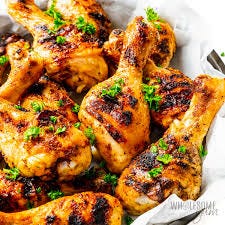
Grilling Chicken Legs: The Ultimate Guide to Smoky, Juicy Perfection
Few things announce a cookout more boldly than the sizzle and smoke of chicken legs hitting a hot grill. They’re affordable…
Grilling Chicken Legs: The Ultimate Guide to Smoky, Juicy Perfection
Few things announce a cookout more boldly than the sizzle and smoke of chicken legs hitting a hot grill. They’re affordable, crowd-pleasing, packed with flavor — and yet, they’re surprisingly easy to get wrong. Too much heat too fast and you’re left with burnt skin and a raw center. Too little, and the meat is dry, dull, and lifeless.
This guide is your definitive resource for grilling chicken legs the right way. Whether you’re a first-time griller or a seasoned backyard pitmaster, you’ll find everything here: the right setup, the exact timing, the best marinades, and the pro-level tips that take ordinary drumsticks to extraordinary.
Let’s fire it up.
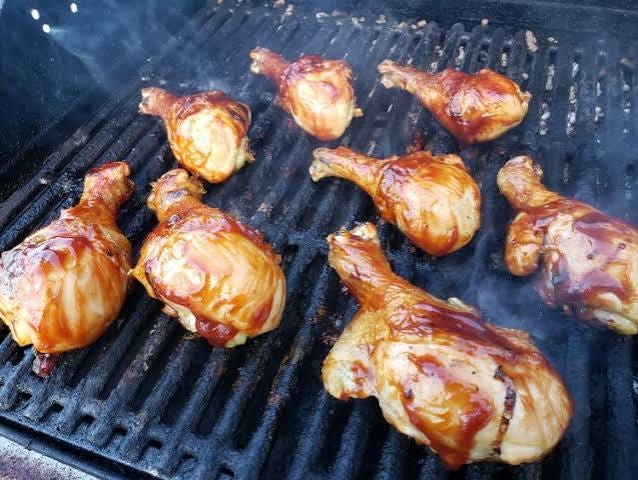
Why Chicken Legs Are the MVP of the Grill
Before we get into technique, let’s talk about why chicken legs deserve a permanent spot on your grill rotation.
Chicken legs — which include the drumstick and thigh — are dark meat cuts. Dark meat has a higher fat content than white meat, which makes it inherently more flavorful, more forgiving, and far more resistant to drying out. Where chicken breasts punish you for a couple of extra minutes on the heat, drumsticks and thighs hold on.
They’re also one of the most economical proteins you can buy, which makes them perfect for feeding a crowd without blowing your budget. And perhaps most importantly: the bone adds flavor. The marrow and connective tissue around the bone enrich the meat as it cooks, giving you a depth of flavor you simply don’t get with boneless cuts.
In short: chicken legs are the smartest, most delicious choice for your next grill session.
Setting Up Your Grill for Success
The single biggest upgrade most home grillers can make is setting up a two-zone fire. This means having one side of your grill running hot (direct heat) and the other side cooler or completely off (indirect heat). This setup gives you total control over the cooking process and is the secret behind consistently perfect grilled chicken legs.
Gas Grill
Turn one or two burners to medium-high and leave the remaining burners off. Aim for a grill temperature of 375°F to 400°F on the hot side. Let the grill preheat with the lid closed for at least 10 to 15 minutes before adding your chicken.
Charcoal Grill
Push all your lit coals to one side of the grill. The coal side is your direct heat zone; the empty side is your indirect zone. For extra smoke flavor, add a chunk or two of hardwood — apple, cherry, or hickory all pair beautifully with chicken.
Pellet Grill
Set your pellet grill to 375°F. The convection fan in a pellet grill circulates heat evenly, so a two-zone setup is less critical here. You’ll still get excellent results by simply placing the legs in the center of the grate.
Preparing Chicken Legs for the Grill
Great grilled chicken starts long before the grill is lit. Preparation is where flavor is built and problems are prevented.
Pat Them Dry
Remove your chicken legs from the fridge 20 to 30 minutes before grilling and use paper towels to pat them completely dry. Moisture on the surface of the skin creates steam, which prevents browning. Dry skin is crispy skin.
Score the Meat
Use a sharp knife to make two or three shallow diagonal cuts in the thickest part of each drumstick. This does two things: it allows heat to penetrate faster for more even cooking, and it lets marinades soak deeper into the meat rather than sitting on the surface.
Season Generously
Don’t be shy. Chicken legs can take a lot of seasoning. Whether you’re using a dry rub or a marinade, apply it thoroughly and get under the skin wherever possible. Here are three go-to options:
- Classic BBQ Rub: smoked paprika, garlic powder, onion powder, brown sugar, salt, black pepper, cayenne
- Lemon Herb: lemon zest, dried thyme, rosemary, garlic, olive oil, cracked pepper
- Honey Sriracha Glaze: honey, sriracha, soy sauce, minced garlic, rice vinegar — brush on during the final 10 minutes only
Grilling Chicken Legs: Step-by-Step
Here’s the exact method that delivers perfectly cooked chicken legs every single time.
- Place legs on the indirect heat zone. Arrange the drumsticks on the cooler side of the grill with the meatier end pointing toward the heat source. Close the lid.
- Cook for 20 to 25 minutes, turning once. Resist the urge to peek constantly. Flip once at the halfway mark and re-close the lid.
- Move to direct heat. Once the internal temperature reads around 150°F, transfer the legs directly over the flame. Grill for 5 to 10 more minutes, turning every 2 minutes, until the skin is crispy and deeply charred in spots.
- Check the temperature. The USDA minimum safe internal temperature for poultry is 165°F. Insert a meat thermometer into the thickest part of the meat, away from the bone, to get an accurate reading.
- Rest before serving. Remove the chicken from the grill and let it rest on a cutting board, tented loosely with foil, for at least 5 minutes. This is not optional. Resting allows the juices to redistribute, resulting in measurably juicier meat.
Grilling Time Reference Chart
Use this as your quick reference guide when grilling chicken legs:
- Gas grill (medium, two-zone): 30–35 minutes total (25 indirect + 5–10 direct)
- Charcoal grill (two-zone): 35–40 minutes total (25–30 indirect + 5–10 direct)
- Pellet grill (375°F): 35–40 minutes, no zone change needed
- Low & slow pellet (225°F): 60–75 minutes, followed by a 2-minute sear over direct flame
Always rely on your thermometer, not the clock. Every grill runs differently, and factors like outside temperature, wind, and the size of your chicken legs all affect cooking time.
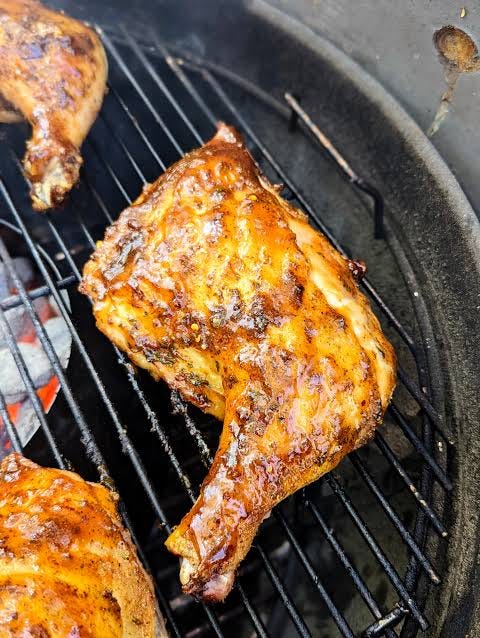
Common Mistakes — and How to Fix Them
Mistake: Starting on Direct Heat
Putting cold chicken directly over high heat sears the outside before the inside has a chance to cook. The result? Charred skin with pink, undercooked meat near the bone. Always start on indirect heat.
Mistake: Applying Sauce Too Early
Most BBQ sauces and glazes contain sugar, which burns at relatively low temperatures. Apply any sugary glaze in the last 8 to 10 minutes of cooking only — and watch carefully for flare-ups.
Mistake: Skipping the Thermometer
Color is not a reliable indicator of doneness. Chicken near the bone can look done on the outside while still being dangerously undercooked inside. A $15 instant-read thermometer is the single best investment you can make for food safety and cooking confidence.
Mistake: Not Resting the Meat
Cutting into chicken immediately after pulling it from the grill causes all the juices to flood out onto your cutting board instead of staying in the meat where they belong. Five minutes of patience makes a significant difference.
The Bottom Line on Grilling Chicken Legs
Grilling chicken legs isn’t complicated — but it does reward attention to detail. Set up your two-zone fire, dry and season your chicken properly, start on indirect heat, finish over the flame for crispy skin, and always — always — check that internal temperature. Do those five things and you will serve flawless grilled chicken legs every single time.
The best part? Once you’ve nailed the technique, the flavor possibilities are endless. Smoky chipotle, honey garlic, jerk spice, lemon herb — the grill is your canvas.
For a full step-by-step breakdown with more marinade ideas, timing charts, and expert tips, visit this in-depth guide on **grilling chicken legs** — your complete resource for mastering this cookout staple from prep to plate.
메타데이터
- post_id
- 4a0e965b2ff4
- slug
- grilling-chicken-legs-the-ultimate-guide-to-smoky-juicy-perfection-4a0e965b2ff4
- url
- https://medium.com/@saairborne72/grilling-chicken-legs-the-ultimate-guide-to-smoky-juicy-perfection-4a0e965b2ff4
- canonical_url
- https://medium.com/@saairborne72/grilling-chicken-legs-the-ultimate-guide-to-smoky-juicy-perfection-4a0e965b2ff4
- author_url
- https://medium.com/@saairborne72
- status
- ok
- fetched_at
- 2026-06-27 23:56:40