The Future of Sustainable Dining in India | Aaroyaa
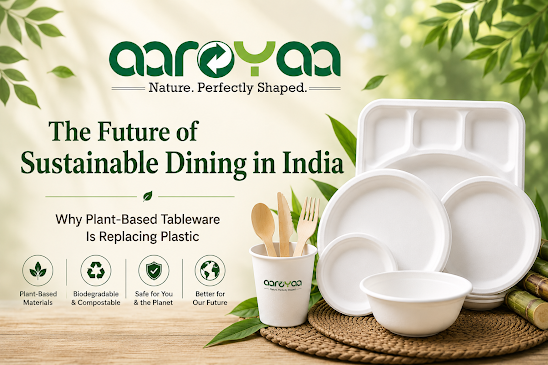
The Future of Sustainable Dining in India: Why Plant-Based Tableware Is Replacing Plastic
The Future of Sustainable Dining in India | Aaroyaa
The Future of Sustainable Dining in India: Why Plant-Based Tableware Is Replacing Plastic
Plastic waste has become one of the biggest environmental challenges of the 21st century. Every day, millions of disposable plates, bowls, cups, and cutlery are used for only a few minutes before ending up in landfills, rivers, or oceans.
Today, consumers, restaurants, caterers, and businesses are actively searching for sustainable alternatives that reduce environmental impact without compromising quality or convenience.
Aaroyaa was created with this mission — to provide beautifully crafted, plant-based tableware that supports both the environment and local communities. The brand manufactures biodegradable and compostable products using renewable plant fibers while empowering women artisans and promoting responsible manufacturing practices.
Why Disposable Plastic Is Becoming a Global Problem
Single-use plastic remains in the environment for decades, and in many cases even centuries.
Some of the biggest issues include:
- Overflowing landfills
- Marine pollution
- Wildlife damage
- Microplastic contamination
- High carbon emissions during production
Governments across the world are encouraging sustainable alternatives, making eco-friendly dining products more relevant than ever.
How Consumer Behaviour Is Changing
Modern consumers no longer purchase products based only on price.
They now consider:
- Sustainability
- Product quality
- Health & food safety
- Brand ethics
- Environmental impact
This shift is encouraging restaurants, cafés, hotels, caterers, and event organizers to replace plastic disposables with natural alternatives.
What Makes Sustainable Tableware Different?
Unlike traditional plastic products, biodegradable tableware is produced from renewable agricultural resources.
Common raw materials include:
Sugarcane Bagasse
A natural by-product left after extracting sugarcane juice.
Benefits:
- Strong
- Lightweight
- Compostable
- Heat resistant
Areca Palm Leaves
Naturally fallen palm leaves are cleaned and molded into premium-quality plates.
Advantages:
- Chemical-free
- Elegant appearance
- Durable
- Fully compostable
Birch Wood
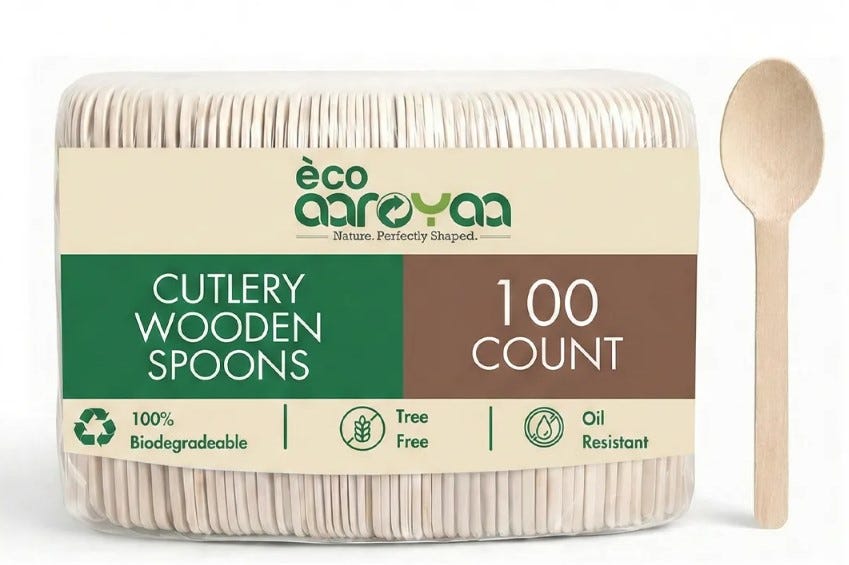
Used mainly for disposable cutlery because it is naturally strong and food-safe.
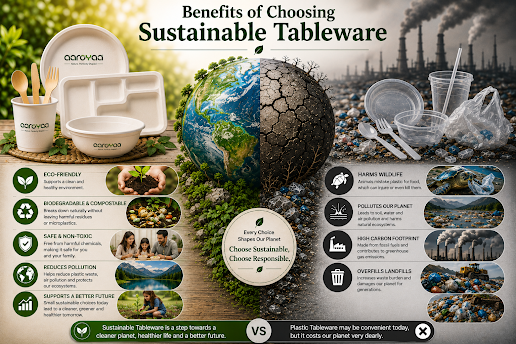
Benefits of Choosing Sustainable Tableware
Better for the Environment
Plant-based products naturally return to the soil after disposal, helping reduce long-term waste.
Safe for Food
Quality biodegradable products contain no harmful plastic coatings and are suitable for serving hot and cold meals.
Premium Appearance
Natural textures create a more elegant dining experience for weddings, parties, restaurants, and premium events.
Supports Circular Economy
Agricultural waste receives a second life instead of being burned or discarded.
Why Businesses Are Making the Switch
Restaurants and food brands are discovering that sustainability is also good for business.
Benefits include:
Improved Brand Image
Customers appreciate brands that demonstrate environmental responsibility.
Increased Customer Trust
Eco-conscious buyers are more likely to return to businesses aligned with their values.
Compliance With Environmental Policies
Many regions are introducing restrictions on single-use plastics, making sustainable alternatives a future-ready investment.
The Aaroyaa Difference
Aaroyaa combines sustainability with craftsmanship.
Its commitment includes:
100% Plant-Based Materials
Products are made from renewable fibers like sugarcane bagasse and areca palm leaves.
Women-Led Manufacturing
The company creates meaningful employment opportunities while supporting environmentally responsible production.
Compostable Product Lifecycle
From sourcing to disposal, products are designed to complete a natural lifecycle with minimal environmental impact.
Quality Without Compromise
Products are engineered to be durable, leak-resistant, microwave-safe, and suitable for everyday use.
How Sustainable Tableware Helps Different Industries
Restaurants
Creates an environmentally responsible dining experience.
Cafés
Perfect for takeaway packaging.
Hotels
Improves sustainability initiatives.
Event Organizers
Ideal for weddings, festivals, and corporate gatherings.
Food Delivery Businesses
Provides premium packaging while reducing plastic waste.
Choosing the Right Sustainable Products
Before purchasing biodegradable tableware, check for:
Material Quality
Choose products made from genuine plant fibers.
Food Safety
Ensure they are food-grade and chemical-free.
Compostability
Look for products designed to decompose naturally.
Durability
Products should withstand hot meals without leaking or bending.
Manufacturer Reputation
Work with trusted brands committed to sustainability and quality.
Small Changes Create Big Environmental Impact
Every sustainable purchase contributes to:
- Reduced plastic pollution
- Cleaner cities
- Lower carbon footprint
- Healthier ecosystems
- Responsible resource utilization
Millions of small decisions made by individuals and businesses collectively create meaningful environmental change.
Frequently Asked Questions
Is biodegradable tableware strong enough?
Yes. High-quality plant-based products are designed to handle hot, cold, oily, and liquid foods without losing strength.
Can biodegradable plates be microwaved?
Most premium bagasse products are microwave-safe for normal food reheating. Always follow the manufacturer’s recommendations.
How long does composting take?
Under suitable composting conditions, many plant-based products naturally break down within approximately 60–90 days.
Is sustainable tableware suitable for commercial businesses?
Absolutely. Restaurants, cafés, caterers, hotels, food delivery services, and event planners increasingly use biodegradable alternatives because they combine functionality with environmental responsibility.
Final Thoughts
The transition from plastic to sustainable dining is no longer just an environmental trend — it is becoming the new standard for responsible businesses and conscious consumers. By choosing thoughtfully designed products made from renewable resources, individuals and organizations can reduce waste while supporting a cleaner future.
If you’re looking for durable, stylish, and responsibly manufactured dining solutions, Aaroyaa offers products crafted from renewable plant fibers, backed by a commitment to sustainability, women-led empowerment, and high-quality manufacturing.
메타데이터
- post_id
- 4a1df3b7e03a
- slug
- the-future-of-sustainable-dining-in-india-aaroyaa-4a1df3b7e03a
- url
- https://medium.com/@ecoaaroyaa2026/the-future-of-sustainable-dining-in-india-aaroyaa-4a1df3b7e03a
- canonical_url
- https://medium.com/@ecoaaroyaa2026/the-future-of-sustainable-dining-in-india-aaroyaa-4a1df3b7e03a
- author_url
- https://medium.com/@ecoaaroyaa2026
- status
- ok
- fetched_at
- 2026-08-20 02:18:54