To See Or Not To See: On Joginder Paul’s ‘Blind’
One of the finest gems of Indian English literature in translation.
To See Or Not To See: On Joginder Paul’s ‘Blind’
One of the finest gems of Indian English literature in translation.
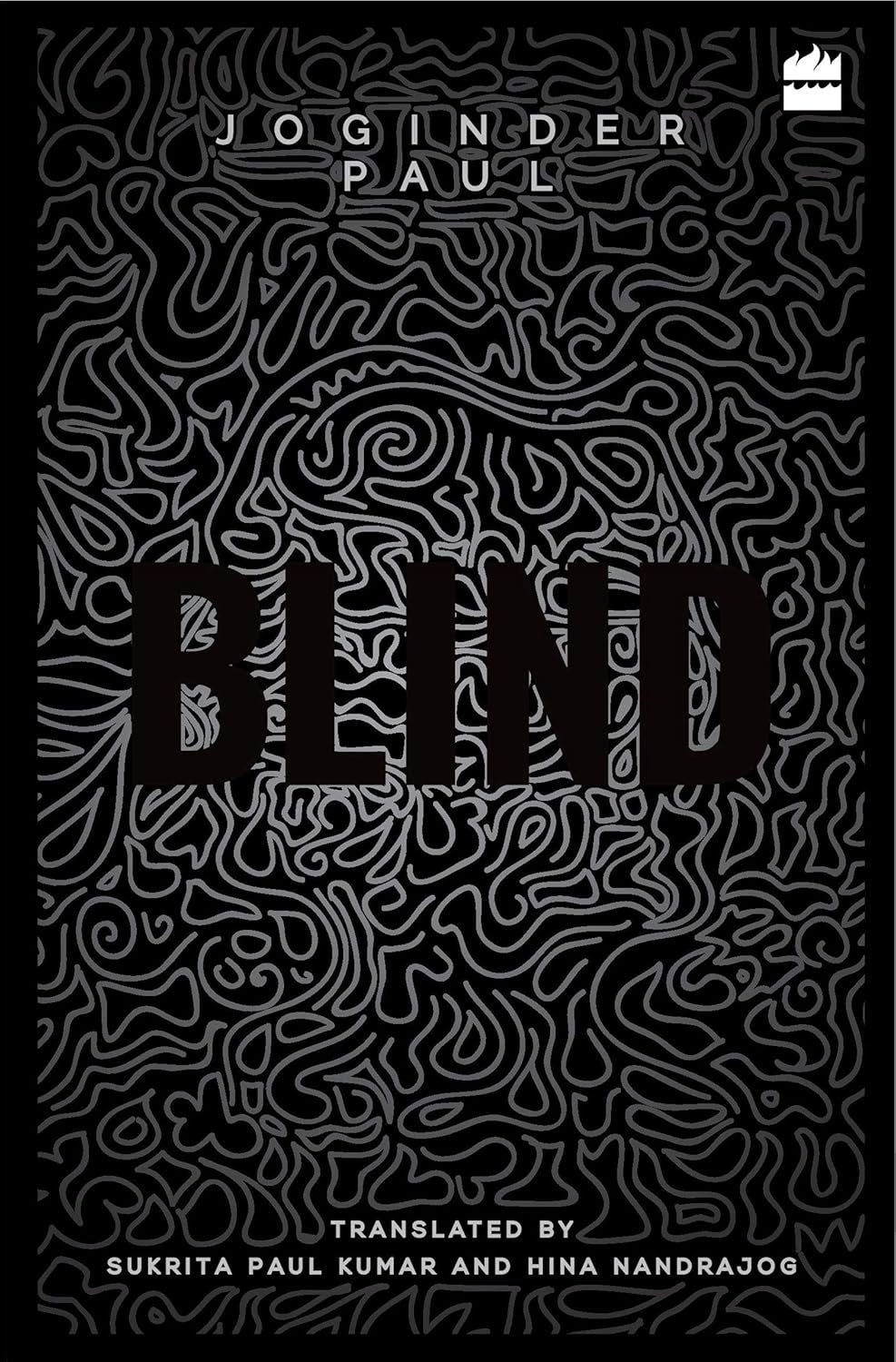
The mesmerizing cover of the book, Credit: Amazon
Joginder Paul was a shining name in the poetic realm of Urdu Literature, but for English readers, he is still a nobody. In the year 2016, his daughter, a versatile academic scholar, translated one of his books, ‘Nadded’, which is available as ‘Blind’.
Not everything and everyone should be perceived at face value. Concealment is an art and mostly depends on the mystics of delusion. What can be concealed from the naked eye can be given the appearance of truth. If one says that they can’t see, they are called blind. But the eye is not the only sense organ; it’s one of many. If the eye fails to see, other organs have the inherent capacity to take control and understand the many colours the world offers, to the person who is assumed to be without the ability to see.
Joginder Paul, a late writer of Urdu literature, meant to give many hints about the arbitrary nature of vision and the metaphorical difference it poses, through his book Nadeed, which has now been translated as ‘Blind’, by his daughter Sukrita Paul Kumar. Joginder Paul was affected by the mass Partition displacement, as he was a native of Karachi. Post-partition, Urdu was very much alive but mostly in essence, not in entirety, as the language debate was met with hostile political and communal propaganda.
Blind, though at first glance, wouldn’t appear to be political in plot, but as the story elevates and matures, the reader finds the tides turning, boats drowning, and the only thing that makes sense is the light, which is smudged with deep political involvement. Blind is a prolific book, coming from a writer who took on himself to imagine the life of those who are bereft of vision. There is an interesting story about what inspired Paul to write the book.
During a trip to Africa, Nairobi in 1959, Paul and his wife visited a home for the blind. Sukirti, the translator, in the notes titled ‘To See or Not to See’, elaborates that this journey has left a deep impact on the mind of the writer, which eventually led him to write the book. Something about the white, cataract-coated eyes, in the pitch-black faces of the Africans, left a metaphorical and existential impact on Paul’s mind. He struggled a lot to imprint the essence of blindness in words as he struggled to feel like a blind person, and as he was crafting a story whose main characters are all blind, for the first time in his writing career, he was at a loss.
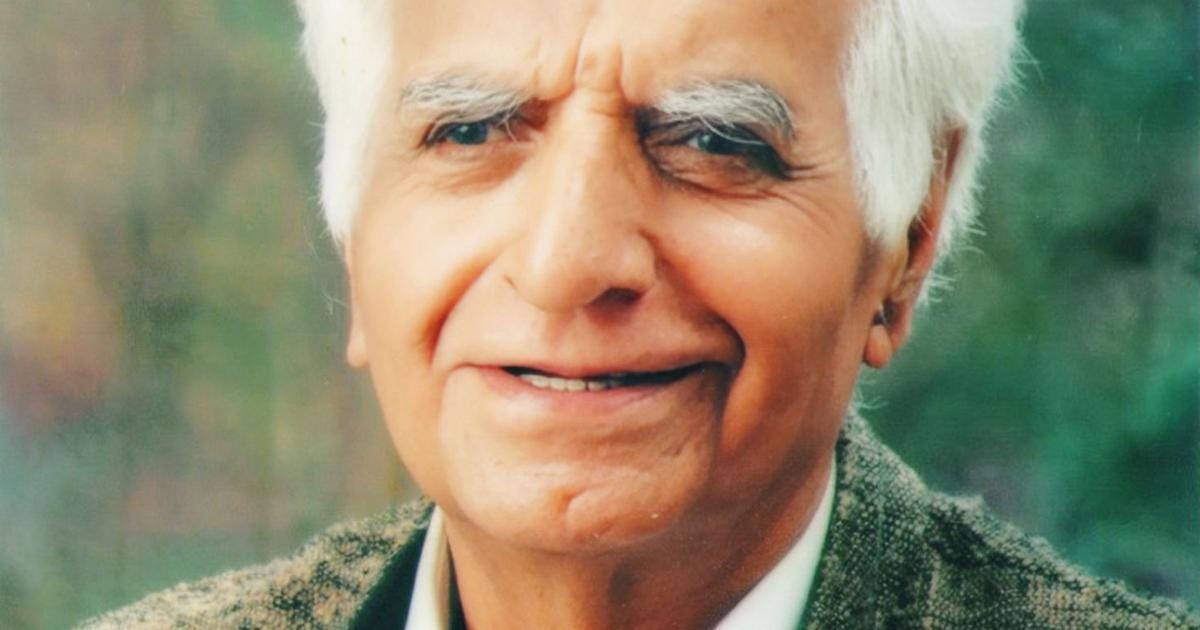
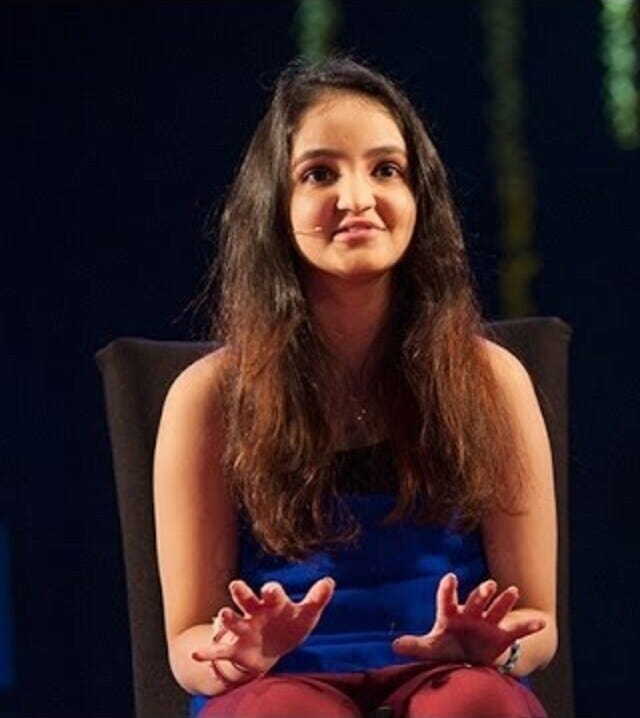
Joginder Paul, we remember you! Credit: Scroll.in
Sukirti went on to paint a very big picture, which is the spirit of the novel. She explains that Paul wants readers not to read sightlessness at face value, as appearance could be deceiving. That doesn’t mean that Sharfu, Roni, or Baba were never blind. However, she does give the inclination that sightlessness can be very much a metaphor. The narrative starts with the personal plights of the residents of the home for the blind, in a town that shares a proximity with Delhi. But halfway, the boundaries of the home for the blind melt and consume the whole country.
In this parlance, one can say that blindness can be very much a choice, such as the blindness of politicians, as India burned with conspiracy and crime. Paul’s novel frames blindness not as a condition or a visual impairment, but as a disease of the mind, when one fails to manifest peace and equality in the core of the country and lets ignorance and indifference rise. Blind becomes a different novel to comprehend, as it concludes. It just concludes in length. As so much else had to be said and understood. Blind was published in the year 2016, the same year its writer died. It’s a great and magnificent piece of Urdu literature to feast upon, as it’s a tasty bite of the metaphysical, social, and existential elements.
메타데이터
- post_id
- 4a67162c7705
- slug
- to-see-or-not-to-see-on-joginder-pauls-blind-4a67162c7705
- url
- https://medium.com/hooked-on-books/to-see-or-not-to-see-on-joginder-pauls-blind-4a67162c7705
- canonical_url
- https://medium.com/hooked-on-books/to-see-or-not-to-see-on-joginder-pauls-blind-4a67162c7705
- author_url
- https://medium.com/@swastika2000verma
- status
- ok
- fetched_at
- 2026-06-13 00:08:42