Stop Calling It ‘Enemies to Lovers’ if It’s Not ‘Pride and Prejudice’
Let’s be honest: two characters mildly annoying each other for three chapters isn’t a psychological war, it’s just bad communication…
Stop Calling It ‘Enemies to Lovers’ if It’s Not ‘Pride and Prejudice’
Let’s be honest: two characters mildly annoying each other for three chapters isn’t a psychological war, it’s just bad communication repackaged as chemistry
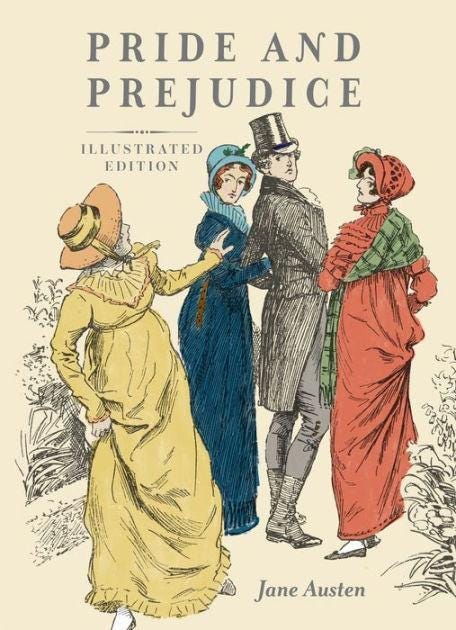
1895 edition illustration by C.E. Brock / Public Domain
Modern romance has a massive obsession problem and frankly, it’s getting exhausting. If you spend even five minutes scrolling through social media or walking down the aisles of a bookstore, you are immediately blasted with the ultimate marketing buzzword- “Enemies to Lovers”.
It promises fire, tension and a massive emotional payoff but when you actually open the covers of most contemporary novels, what do you get? Usually, it’s just two incredibly attractive characters who act mildly annoyed by each other for three chapters, exchange a few petty insults that sound like they were written by a teenager on social media and then abruptly fall into bed because the plot demands a spicy scene. That isn’t a psychological war. It’s just bad communication and basic horniness repackaged as chemistry.
I’ve read thousands of pages across hundreds of books but when it comes down to raw storytelling perfection, absolutely nothing touches Jane Austen’s masterpiece. Austen didn’t just write a great book, she accidentally built the definitive unbeaten blueprint for this entire trope over two centuries ago and modern writers keep completely missing the point of why it actually worked.
The Problem With Modern Enemies
Why does Pride and Prejudice still reign supreme while modern romance books feel like fast food? because Mr. Darcy and Elizabeth Bennet don’t just bicker- they actually change.
In a standard contemporary romance, “enemies” usually translates to a toxic, billionaires-and-mafia alpha male who acts like a criminal and a heroine who pretends to hate his toxic behaviour until she suddenly doesn’t. The conflict is external, cheap and easily fixed by a dramatic rescue or a sudden confession. It requires zero emotional heavy lifting from the characters.
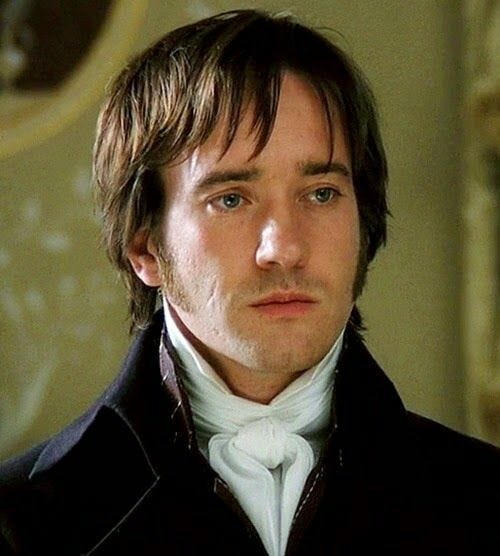
Still from Pride & Prejudice (2005) / Focus Features
Austen understood that for an enemy dynamic to hold real, agonizing weight, the barrier keeping people apart has to come from within. It has to be a deep, ugly flaw in their actual character that the reader can recognize.
- Mr. Darcy isn’t just brooding and quiet. He is genuinely blinded by a rigid, class-conscious Pride that makes him act like an arrogant jerk to anyone outside his tax bracket. He actively insults Elizabeth’s appearance at a local dance because he thinks he’s too good for the room.
- Elizabeth Bennet isn’t just a witty, feisty heroine. She possesses a sharp, cynical Prejudice that causes her to entirely misjudge people based on a single bad first impression. Once she decides someone is a villain, her confirmation bias locks them into that box forever.
When Darcy famously tanks his first marriage proposal by telling Elizabeth how disastrously below him her family is- and how he’s trying to love her against his better judgment. It isn’t just cheap drama. It’s a head on collision of their respective fatal flaws. He expects her to be grateful because of his status and she rejects him utterly because her pride is wounded.
They don’t fall in love because of a sudden spark or a forced proximity trope. They fall in love because that disastrous rejection forces them to look in a mirror, realize they’ve been awful, human beings and do the agonizing work of fixing themselves. Darcy has to learn humility and how to use his wealth quietly to help others without expecting a crown. Elizabeth has to learn objectivity and admit that her sharp wit blinded her to the truth. They don’t just tolerate each other, they earn each other.
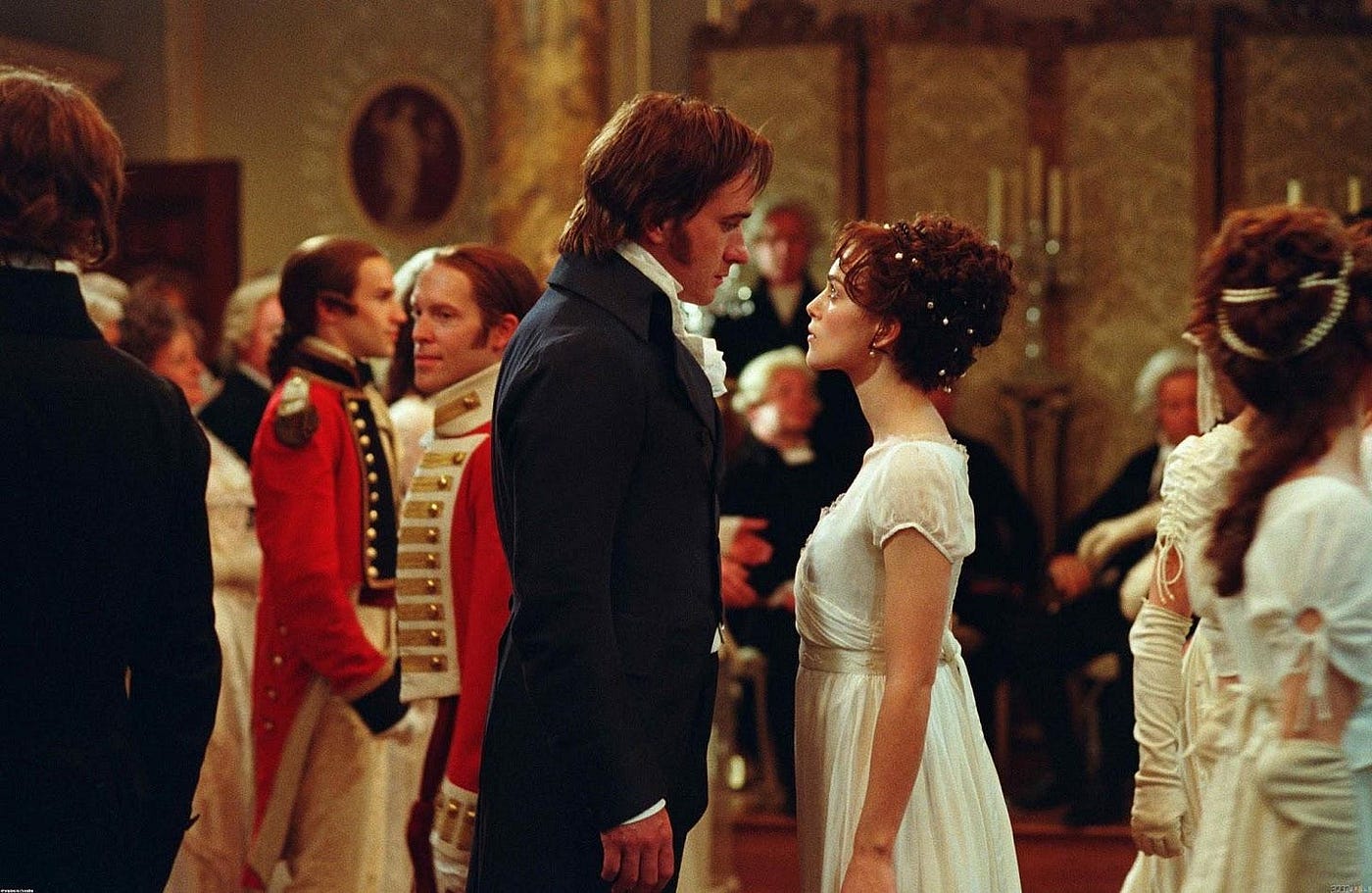
Still from Pride & Prejudice (2005) / Focus Features
The Wickham Factor: The Contrast That Proves The Point
Modern writers also forget that a great enemies-to-lovers arc needs a contrast to show what fake chemistry looks like. Enter George Wickham.
Wickham is the prototype for the modern romance hero on paper- charming, smooth-talking, immediate “good vibes” and perfectly attentive to Elizabeth. He tells her exactly what she wants to hear, feeds into her prejudice against Darcy and acts like the perfect gentleman. Elizabeth flies right into his arms mentally because he feeds her ego.
Austen uses Wickham to show the difference between a superficial connection and a real one. Wickham’s charm is a mask for a lazy, predatory gambler whereas Darcy’s cold exterior is a defensive wall hiding a fiercely loyal brother and master. Contrasting the two, Austen shows that true love isn’t about who makes you smile at a party, it’s about who actually shows up to save your family from total social ruin when the world turns its back on you.
The Art Of The Slow Burn
We live in a culture of instant gratification, but real narrative tension takes time. It requires space to breathe, and Jane Austen is the master of quiet chemistry, proving that a single, silent look can carry more electric tension than a modern explicit scene.
Think about the sheer electricity in the scene where Darcy quietly takes Elizabeth’s hand to help her into a carriage and then immediately walks away, trembling from the contact or the tense, silent eye contact across a crowded room at Pemberley where everything has changed, but neither can say a word because of the social rules of the era.
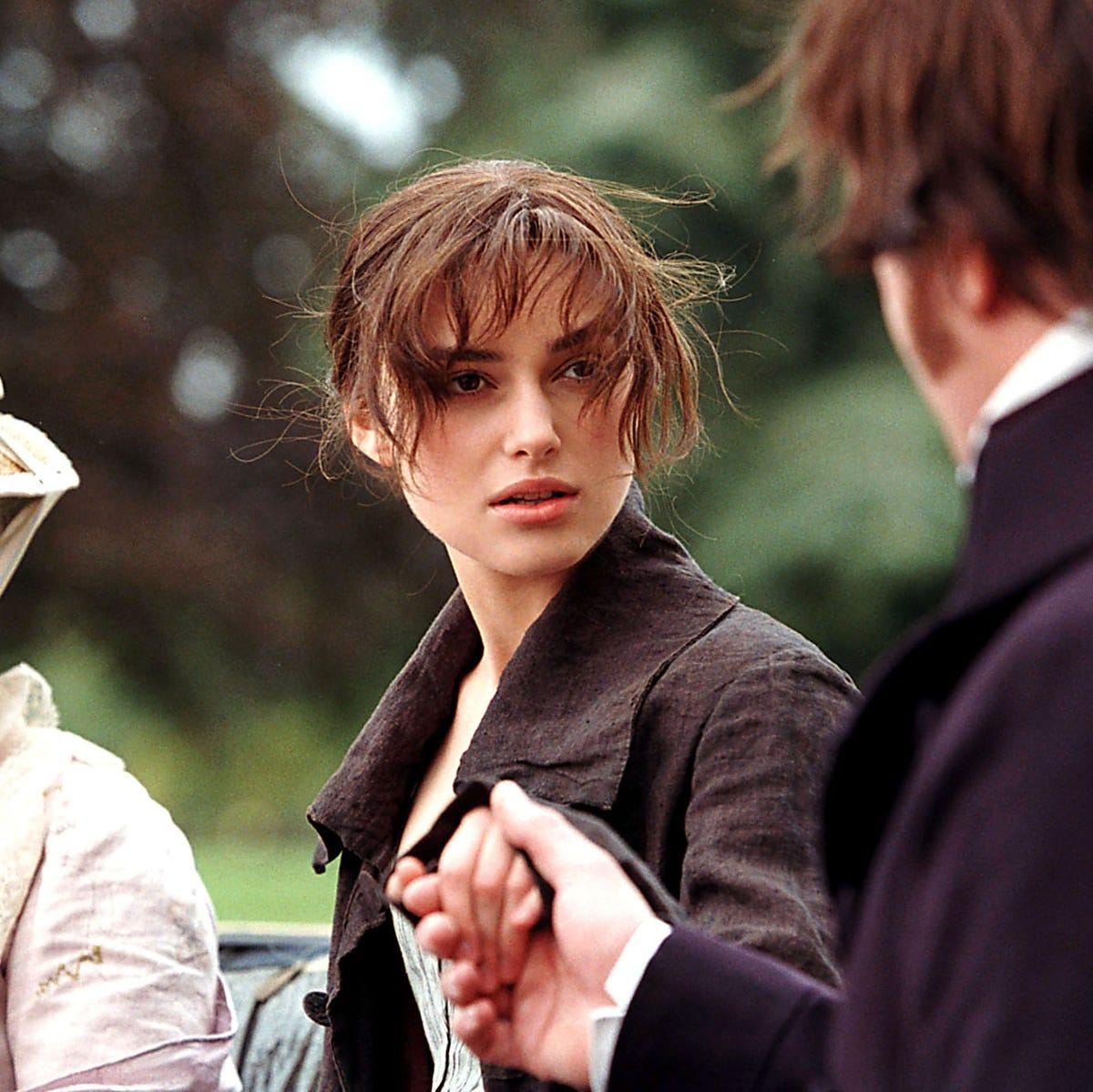
Still from Pride & Prejudice (2005) / Focus Features
Those moments carry more raw, electric chemistry than entire explicit, graphic chapters in modern books because they are backed by actual emotional stakes. When they finally do come together at the end, it’s not a physical release, it’s a meeting of two minds that have completely conquered their own egos to be together.
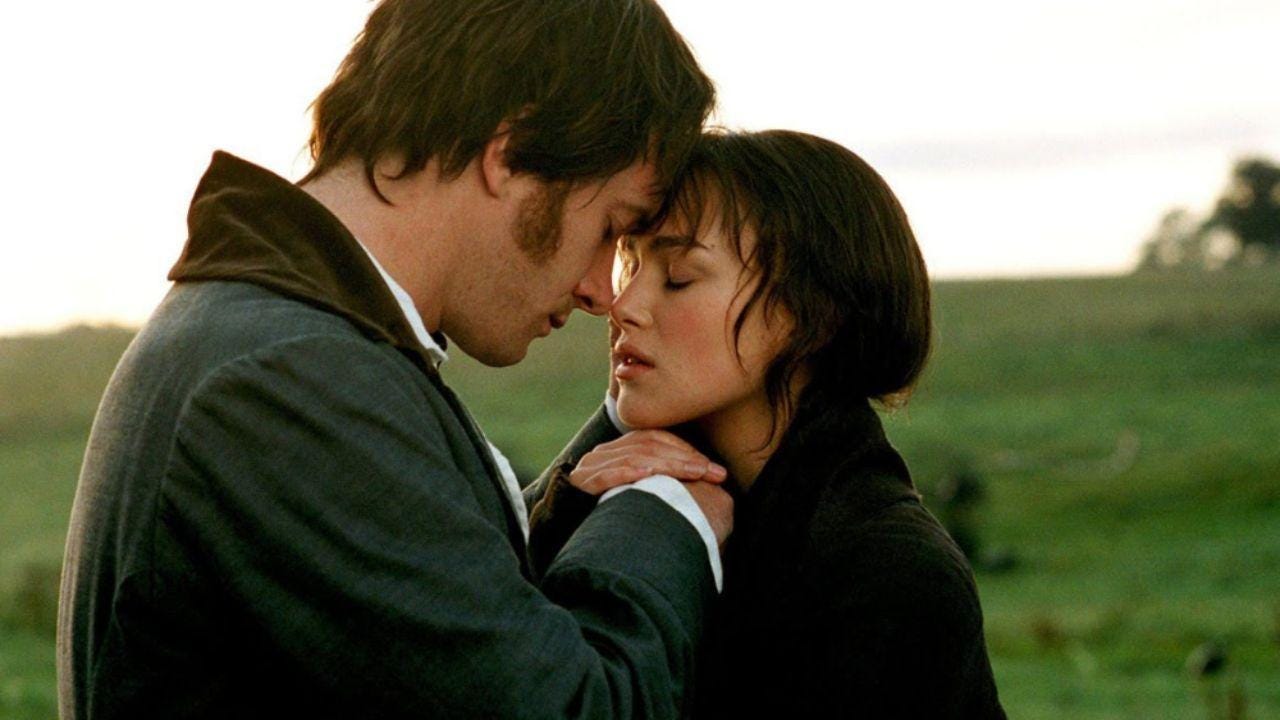
Still from Pride & Prejudice (2005) / Focus Features
When you strip away the Regency ballrooms, the corsets and the old English inheritance laws, Pride and Prejudice remains the greatest book ever written because it understands human nature flawlessly. It recognizes that the most terrifying enemy you will ever face isn’t a villain across a battlefield- it’s your own ego.
If we want romance stories that actually stay with us long after the final page is turned, we need to stop settling for superficial bickering and easy fixes. We need to go back to the blueprint.
Let’s Talk About It
Does modern romance still hold a candle to Jane Austen, or have we completely lost the art of the slow burn? Drop your favourite “enemies to lovers” books in the comments- let’s see if any of them actually measure up or if they all just collapse under Darcy’s shadow.
If you enjoyed this essay, consider subscribing to my Substack, Austentatious for more literary analysis.
메타데이터
- post_id
- 4adebbf3cc08
- slug
- stop-calling-it-enemies-to-lovers-if-it-s-not-pride-and-prejudice-4adebbf3cc08
- url
- https://baos.pub/stop-calling-it-enemies-to-lovers-if-it-s-not-pride-and-prejudice-4adebbf3cc08
- canonical_url
- https://baos.pub/stop-calling-it-enemies-to-lovers-if-it-s-not-pride-and-prejudice-4adebbf3cc08
- author_url
- https://medium.com/@aayushi.sin93
- status
- ok
- fetched_at
- 2026-07-13 06:23:13