Laing: A Spicy Gastronomic Journey Through Bicolano Cuisine
Sign up to view our menu at https://silayushi.com/yes. Or try our instant ramen noodle and get delivery anywhere in the Philippines. Order…
Laing: A Spicy Gastronomic Journey Through Bicolano Cuisine
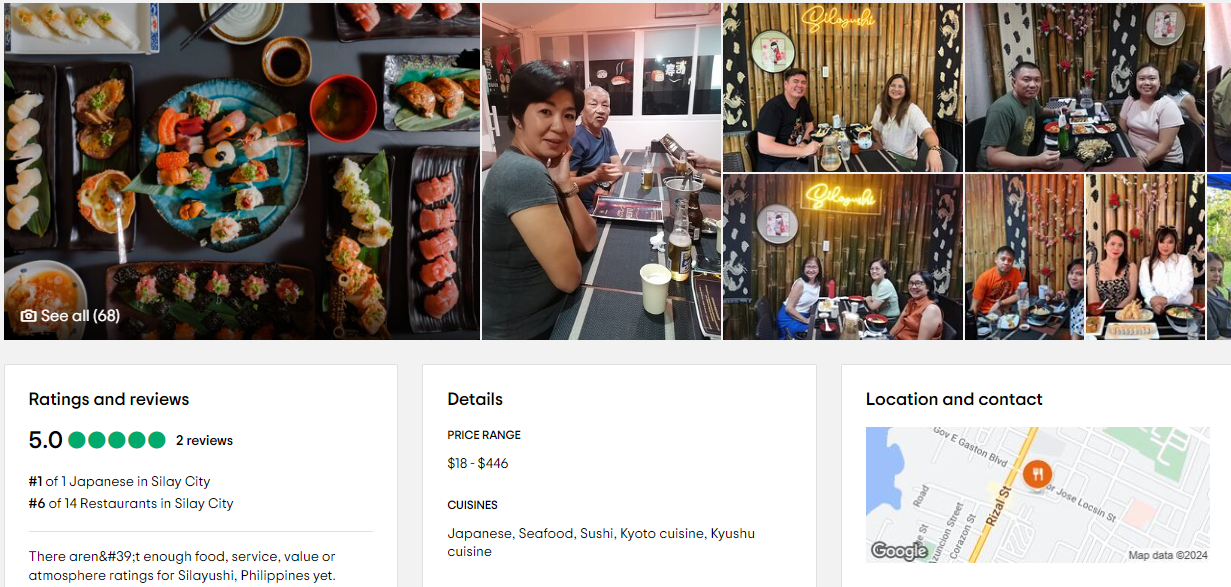
Sign up to view our menu at https://silayushi.com/yes. Or try our instant ramen noodle and get delivery anywhere in the Philippines. Order here for only ₱40: https://shop.silayushi.com/instant-noodles-original
Introduction: Laing, a fiery and flavorful dish hailing from the Bicol region of the Philippines, embodies the rich and robust essence of Bicolano cuisine. This coconut milk-infused dish is not only a culinary delight but also a cultural emblem that showcases the region’s affinity for bold flavors and local ingredients. With taro leaves, coconut milk, and a potent blend of chilies, Laing offers a sensory journey that takes diners on an exploration of spice and satisfaction. In this deep dive, we’ll unravel the historical roots, key ingredients, preparation techniques, regional variations, cultural significance, and the enduring appeal of Laing.

Historical Roots:
Bicolano Heritage and Agricultural Abundance:
Laing’s roots are deeply embedded in the agricultural bounty of the Bicol region, known for its fertile soil and diverse produce. The dish is a testament to the resourcefulness of the Bicolanos, who ingeniously utilize locally available ingredients to create a dish that both comforts and excites the palate.
Adaptation and Evolution:
While the exact historical origins of Laing may be challenging to trace, its emergence can be linked to the ingenuity of Bicolano cooks who sought to transform humble ingredients into a dish that captures the spirit of their region. The evolution of Laing reflects the dynamic nature of Filipino cuisine, where recipes are passed down through generations, adapting to the tastes and preferences of each era.
Key Ingredients:
Taro Leaves (Gabi):
At the heart of Laing are the tender, heart-shaped leaves of the taro plant. These leaves, known as “gabi” in Filipino, impart a unique texture and earthy flavor to the dish. Taro leaves are carefully prepared, removing the tough stems and ensuring that only the supple parts are used.
Coconut Milk:
Coconut milk, extracted from fresh coconut meat, forms the creamy and luscious base of Laing. The coconut milk not only provides a rich consistency but also balances the heat of the chilies, creating a harmonious blend of flavors.
Dried Taro Stems (Ubad):
Dried taro stems, locally known as “ubad,” are often added to Laing to enhance its texture. Ubad contributes a chewy element, creating a delightful interplay of textures alongside the tender taro leaves.
Chilies:
Chilies are the soul of Laing, infusing the dish with its characteristic spiciness. Bicol is renowned for its fiery cuisine, and Laing is no exception. Bird’s eye chilies, known as “siling labuyo,” are frequently used, providing intense heat that elevates the overall flavor profile.
Shrimp Paste (Bagoong):
Shrimp paste, or “bagoong,” adds depth and umami to Laing. This fermented condiment is made from salted and fermented shrimp or krill and complements the richness of coconut milk with its savory notes.
Garlic and Shallots:
Garlic and shallots contribute aromatic layers to Laing. These ingredients are sautéed to release their flavors, creating a fragrant base that enhances the overall experience of the dish.
Ginger:
Ginger adds warmth and a subtle spicy note to Laing. Its aromatic qualities permeate the dish, providing a delightful contrast to the richness of coconut milk.
Pork or Dried Fish (Optional):
While traditional Laing is vegetarian, some variations include pork or dried fish to add a meaty element. The choice of protein depends on personal preferences and regional adaptations.
Preparation Techniques:
Taro Leaves Preparation:
- Cleaning and Detaching: Taro leaves are carefully cleaned, and the tough stems are removed. The leaves are detached from the central rib, ensuring only the tender portions are used.
- Blanching: Taro leaves are briefly blanched in boiling water to soften them, making them more pliable and ready for incorporation into the dish.
Sauteing Aromatics:
- Sautéing Garlic, Shallots, and Ginger: The process begins with sautéing minced garlic, shallots, and ginger in a pot. This creates a fragrant base that forms the foundation of Laing’s flavor profile.
Adding Chilies and Shrimp Paste:
- Incorporating Chilies: Bird’s eye chilies, or siling labuyo, are added to the pot, infusing the dish with its characteristic spiciness. The quantity of chilies can be adjusted based on desired heat levels.
- Introducing Shrimp Paste: Shrimp paste is added to the mixture, bringing savory depth to Laing. The umami from the shrimp paste complements the spice and richness of the coconut milk.
Incorporating Taro Leaves and Stems:
- Adding Taro Leaves and Ubad: The blanched taro leaves and dried taro stems (ubad) are incorporated into the pot. These ingredients absorb the flavors of the aromatics, chilies, and shrimp paste.
Pouring Coconut Milk:
- Pouring Coconut Milk: The star ingredient, coconut milk, is poured into the pot, creating a velvety sauce that envelops the taro leaves and stems. The coconut milk simmers, allowing the flavors to meld together.
Cooking Until Tender:
- Simmering to Perfection: Laing is simmered over low heat until the taro leaves and stems become tender and have absorbed the rich flavors of the coconut milk, chilies, and aromatics.
Optional Addition of Pork or Dried Fish:
- Including Pork or Dried Fish: If desired, pork or dried fish can be added to the pot, introducing a meaty or fishy dimension to the dish. This step is optional and can be adjusted based on personal preferences.
Adjusting Seasonings:
- Balancing Flavors: Seasonings such as salt and pepper may be added to achieve the desired balance of flavors. Adjustments can be made to suit individual taste preferences.
Serving:
- Plating and Garnishing: Laing is traditionally served in a communal dish, with the creamy coconut milk sauce coating the taro leaves and stems. It is often garnished with additional sliced chilies for those who enjoy an extra kick.
Regional Variations:
Diverse Approaches Across Bicol:
Laing exhibits regional variations within the Bicol region, each showcasing unique twists and adaptations. Some variations include:
- Laing sa Gata: Laing sa Gata is a version that includes pork and is cooked with an abundance of coconut milk, resulting in a creamier consistency.
- Laing with Aligue: Some variants incorporate aligue (crab fat) to introduce a seafood-inspired richness to the dish.
- Laing with Tulingan: In coastal areas, Laing may feature tulingan (mackerel tuna) for an additional layer of flavor and complexity.
Cultural Significance:
Bicolano Culinary Identity:
Laing is more than just a dish; it is a symbol of Bicolano culinary identity. The use of local ingredients and the emphasis on bold flavors reflect the vibrant and robust nature of Bicolano cuisine.
Celebratory and Everyday Dish:
While Laing is enjoyed as an everyday dish, it also holds a place in celebratory feasts and gatherings. Its rich and indulgent character makes it a standout choice for special occasions.
Preserving Tradition:
The preparation of Laing often involves traditional techniques passed down through generations. Families take pride in preserving these culinary traditions, ensuring that the dish retains its authenticity.
Evolution and Modern Interpretations:
Contemporary Presentations:
Modern interpretations of Laing may explore creative presentations and pairings. Some chefs experiment with plating techniques, elevating the dish’s visual appeal while staying true to its bold flavors.
Vegetarian and Vegan Variations:
In response to dietary preferences, vegetarian and vegan variations of Laing have emerged. These adaptations often use plant-based alternatives for shrimp paste and may include additional vegetables for texture and flavor.
Health Considerations:
Nutritional Components:
Laing, with its combination of taro leaves, coconut milk, and optional protein sources, offers a variety of nutritional components. Taro leaves provide dietary fiber, coconut milk contributes healthy fats, and shrimp paste or protein sources add protein.
Moderation with Spices:
Given the spiciness of Laing, individuals with a lower tolerance for heat may consider adjusting the quantity of chilies or opting for milder varieties. Moderation allows individuals to enjoy the dish without overwhelming their taste buds.
Conclusion: A Spicy Symphony of Bicolano Flavors:
In the realm of Bicolano cuisine, Laing stands as a spicy symphony that resonates with the vibrancy of the region. From the earthy taro leaves to the creamy embrace of coconut milk and the fiery kick of chilies, each element plays a crucial role in creating a dish that is as comforting as it is exhilarating.
As you savor the complex layers of flavor, the tender texture of taro leaves, and the lingering warmth of chilies, you’re not just partaking in a meal; you’re immersing yourself in the rich cultural tapestry of Bicol. Laing, with its roots deeply embedded in tradition and its branches reaching into contemporary culinary creativity, continues to captivate palates and tell the flavorful story of the Philippines’ culinary landscape.
Sign up to view our menu at https://silayushi.com/yes. Or try our instant ramen noodle and get delivery anywhere in the Philippines. Order here for only ₱40: https://shop.silayushi.com/instant-noodles-original
메타데이터
- post_id
- 4ae42fe2c6f8
- slug
- laing-a-spicy-gastronomic-journey-through-bicolano-cuisine-4ae42fe2c6f8
- url
- https://medium.com/@silayushi/laing-a-spicy-gastronomic-journey-through-bicolano-cuisine-4ae42fe2c6f8
- canonical_url
- https://medium.com/@silayushi/laing-a-spicy-gastronomic-journey-through-bicolano-cuisine-4ae42fe2c6f8
- author_url
- https://medium.com/@silayushi
- status
- ok
- fetched_at
- 2026-07-24 18:09:19