When is a perpetrator also a victim?
I recently watched the Netflix documentary series Evil Influencer: The Jodi Hildebrandt Story.
When is a perpetrator also a victim?
I recently watched the Netflix documentary series Evil Influencer: The Jodi Hildebrandt Story.
But it wasn’t Jodi Hildebrandt that interested me. It was Rubie Frankie.
Rubie, a social media influencer and mormon mom, filmed every moment of her family’s life. It started off relatively normal and harmless. But as the years passed, Rubie became more and more strict with her children. She implemented stringent punishments, like removing bedroom doors, prohibiting her son from sleeping on a bed, and more.
So what changed?
Jodi Hildebrandt — a mental health therapist who encouraged Frankie to become more and more strict with her children. Frankie’s restrictions and parenting techniques evolved into physical abuse, physical restraint, torture, and starvation. Rubie was finally exposed when her young son escaped from the home and ran to a neighbor’s house for help.
In this case of clear abuse, Rubie is responsible for her actions.
But is she also a victim? She fell under the misleading and manipulative guidance of a therapist who was stripped of her license and continued to provide therapy.
And what about Rubie’s religious background as a member of the Church of Jesus Christ of Latter-day Saints (LDS), which encourages authoritarian parenting?
In the victim to perpetrator pipeline, when does responsibility begin?
I ask myself this question over and over as I look at my past.

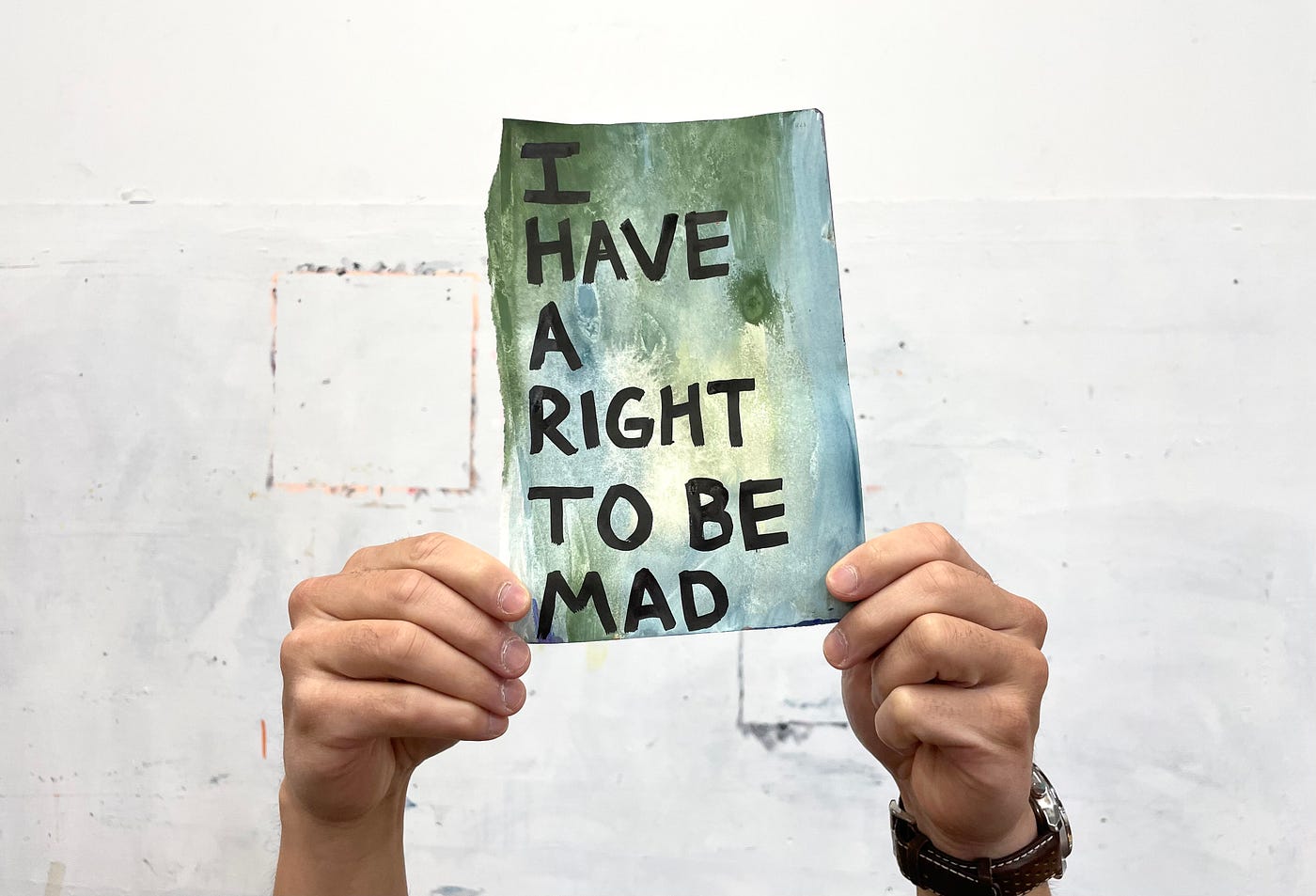
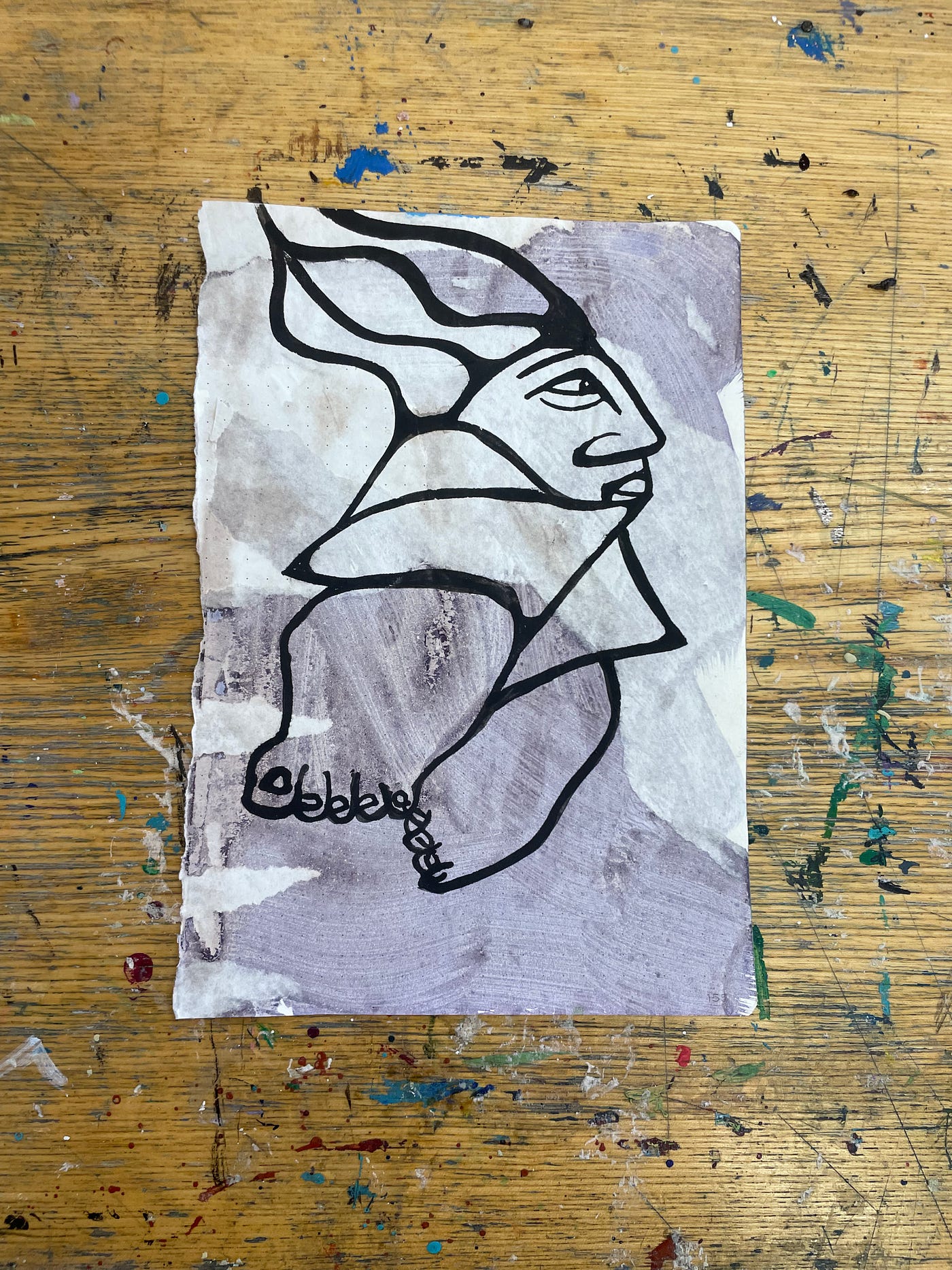
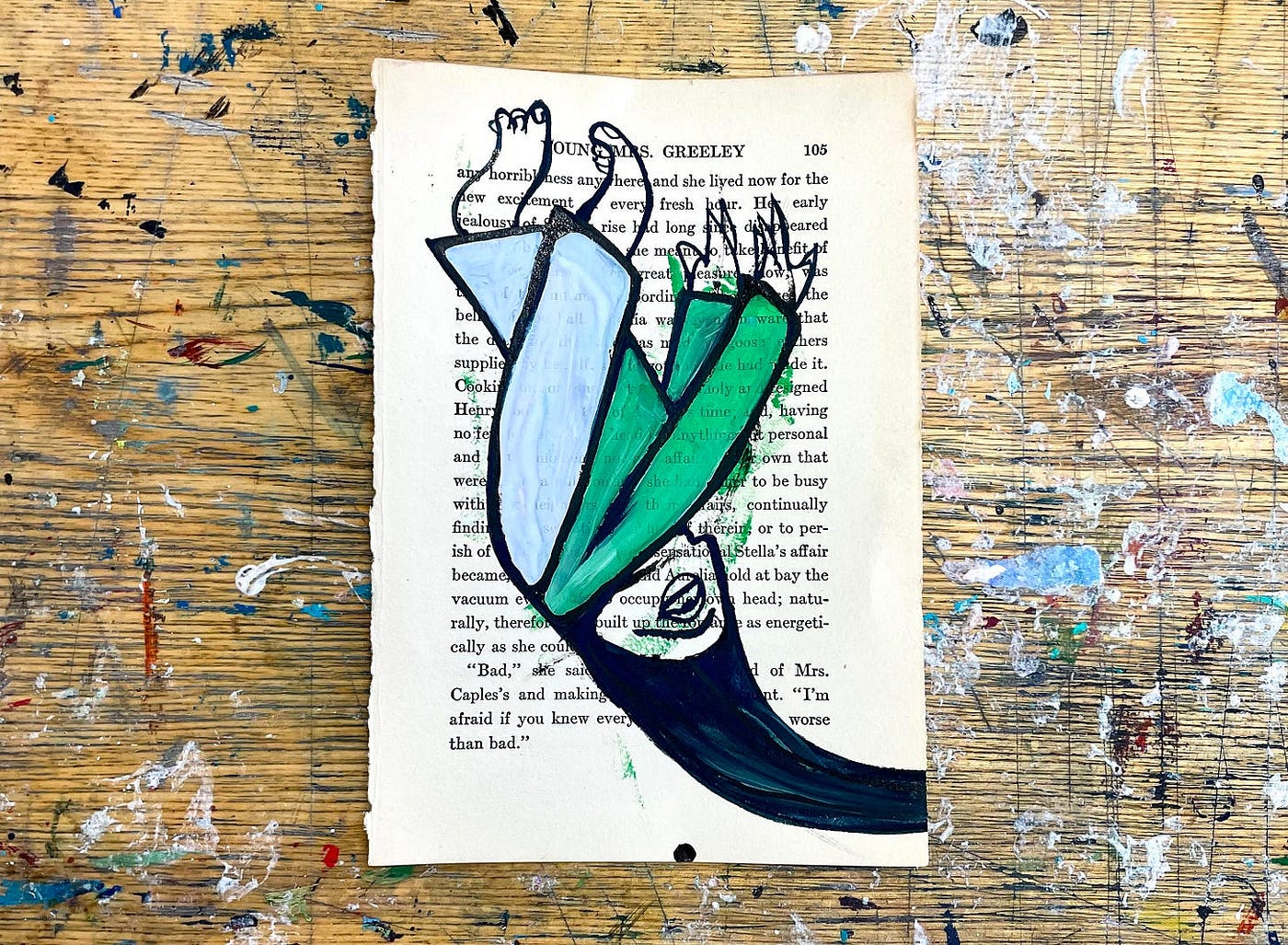
Artwork created by me — depicting multiple layers
I was the victim of an authoritarian Christian family that lived in a secluded Christian camp.
But I then passed those beliefs and behaviors on to others. I told others about the “best” way to live. I judged and treated others harshly.
I simply repeated the cycle when I joined the LDS church. I absorbed the patriarchal teachings, became a missionary, and taught them to others.
My behavior continued even after I left religion altogether. It took time to develop awareness of the beliefs and patterns living within me.
And in the meantime, I hurt a lot of people.
How much can I claim I was a victim? And how much do I simply need to take full responsibility and accountability?
The answers aren’t clear.
But when it comes to crimes as serious as child abuse, the courts are becoming clearer and clearer. Frankie was found guilty of child abuse and sentenced in 2024 to four consecutive prison terms of 1–15 years.
It didn’t matter what influenced her — she still committed crimes.
Thanks for reading!
Here are 3 ways to connect with me more:
- ***Sign up for my free FUNletter. *I share a weekly list of all the things I find fun as an autistic artist, author, and art therapist.
- ***Become a therapy client*. I work with clients from all over the world.
- Download my short book “For the Autistic Going through Times”

It’s available for available for purchase on my website (buck the system… support artists directly!)
메타데이터
- post_id
- 4af41236d9df
- slug
- when-is-a-perpetrator-also-a-victim-4af41236d9df
- url
- https://medium.com/@jackieschuld/when-is-a-perpetrator-also-a-victim-4af41236d9df
- canonical_url
- https://medium.com/@jackieschuld/when-is-a-perpetrator-also-a-victim-4af41236d9df
- author_url
- https://medium.com/@jackieschuld
- status
- ok
- fetched_at
- 2026-06-20 20:29:01