Anko: The Unexpected Japanese Sweet Bean Paste Winning Over Western Palates
Discover why a plant-based bean paste — once surprising to Western palates — may become your next favorite guilt-free treat and a booming…
Anko: The Unexpected Japanese Sweet Bean Paste Winning Over Western Palates
Discover why a plant-based bean paste — once surprising to Western palates — may become your next favorite guilt-free treat and a booming business opportunity.
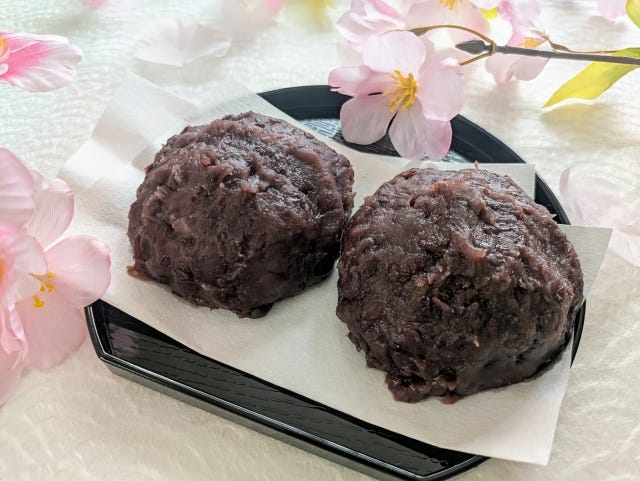
Traditional Japanese sweet bean paste desserts
The Allure of Sweet Beans
“I never imagined beans could be sweet,” many of my Western friends tell me. Their surprised reactions always make me smile. In Japan, we’ve been simmering red beans (azuki) into a sweet paste called anko for centuries. It’s the star ingredient in countless traditional desserts, from daifuku mochi to dorayaki (pancake-like treats). Yet for people unfamiliar with Japanese culture, the idea of sweet beans can sound bizarre.
Just a few days ago, I celebrated my son’s admission to university with a box of ichigo daifuku — soft mochi stuffed with sweet red bean paste and a fresh strawberry. A close friend gave them to us, and the bright, festive look of that treat instantly lifted everyone’s mood. Ichigo daifuku can spoil quickly, so you have to eat them fast, but that has never been a problem for my family. We all adore them. For me, the sweet red bean paste combined with the tanginess of the strawberry is pure heaven. As someone who enjoys anko at least once a week, I consider these kinds of confections a relatively guilt-free indulgence. They’re mostly plant-based, low in fat, and just so satisfying — especially with a hot cup of green tea.
Yet I remember feeling stunned a few years ago when I first learned that many Western cultures do not sweeten beans at all. At that time, I thought, “How can people ignore such a healthy, natural sweet treat?” Of course, food culture is deeply rooted in history and habit. But as global trends shift toward healthier and more plant-based options, I’m convinced anko has enormous potential to charm taste buds abroad. In fact, I believe that if more Westerners experienced a single bite of strawberry daifuku, they’d become instant anko fans!
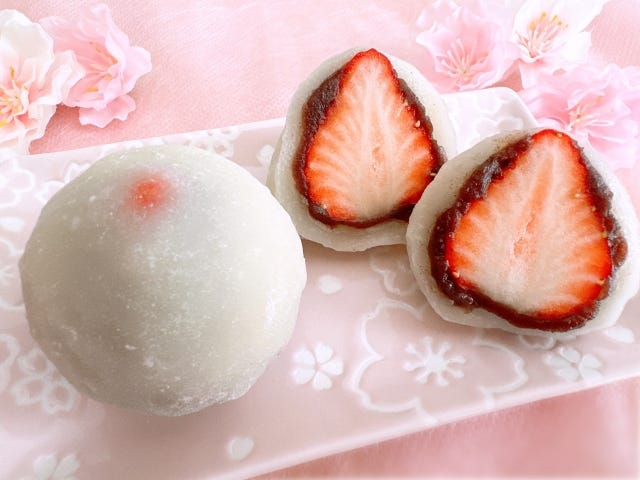
Japanese sweets called “Ichigo Daifuku,” soft rice cakes filled with sweet red bean paste and fresh strawberries.
Why “Sweet Beans” Confuse the West
Beans in Western cuisine typically appear in savory meals — chili, soups, or salads. Many people grew up thinking of beans as salty or neutral, certainly not dessert-worthy. When they hear about sweet bean paste, they often picture a mushy side dish flavored with sugar. Naturally, some approach anko with curiosity, if not outright skepticism.
But here’s the twist: That initial surprise is a fantastic entry point. It draws people in. “Really, sweet beans?” leads to the moment they actually taste it. And for many, the unique subtlety of anko’s flavor is a pleasant discovery. It’s sweeter than a standard mashed bean, but not as sugary as jam or frosting. That balanced sweetness is one reason anko-filled desserts have begun to find fans in Europe and North America.
A Tale of Two Textures: Tsubuan & Koshian
Not all anko is created equal. There are two primary styles:
- Tsubuan (Chunky Red Bean Paste). Tsubuan leaves bits of the bean’s skin intact. This results in a subtle texture often described as “grainy” or “rustic.” If you’ve ever had a dorayaki or taiyaki (fish-shaped pastry), you likely tried tsubuan. It’s heartier, and the texture can remind first-timers of a chunky jam.
- Koshian (Smooth Red Bean Paste). Koshian is meticulously pureed and strained, eliminating any bean skins or lumps. The result? A velvety-smooth paste that can be more approachable for those new to anko. It often appears in refined confections like wagashi served during tea ceremonies.
Why does this matter? Texture can be just as important as flavor. In fact, texture is often what people remember most when sampling new foods. Those who find tsubuan “too beany” may prefer the silky comfort of koshian. On the other hand, some enjoy tsubuan’s distinct mouthfeel.
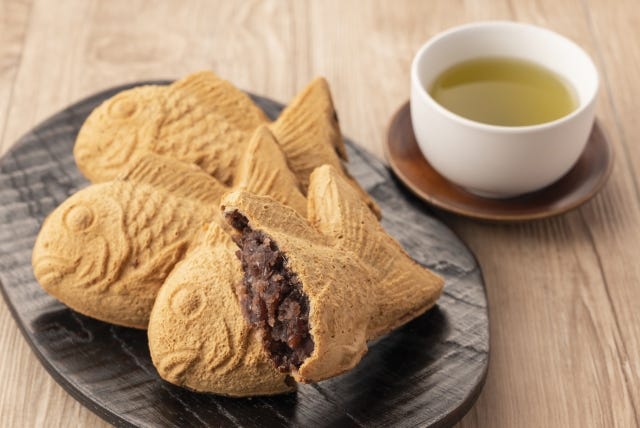
Japanese sweets called “Taiyaki,” fish-shaped cakes filled with sweet red bean paste
Mochi and Anko: A Perfect Match
If you’ve tried mochi — the soft, chewy rice dough that has recently surged in popularity overseas — you’re already halfway to loving anko. Mochi has a neutral flavor and a pleasantly elastic texture. When it’s paired with sweet red bean paste, the combination is simply addictive.
Look at daifuku (a round ball of mochi filled with anko) or ichigo daifuku (which adds a fresh strawberry at the center). The smoothness of the sweet bean paste, the subtle flavor of the mochi, and the tangy strawberry marry into a refreshingly light dessert that can captivate even first-time tasters. Because mochi ice cream (small scoops of ice cream wrapped in mochi) has already become a hit in the U.S. and parts of Europe, people’s awareness of mochi is growing rapidly. This curiosity about mochi often leads them to discover anko-filled variations, bridging the gap between new Western fans and traditional Japanese sweets.
A Health-Conscious Sweet
One surprising benefit of anko? It’s often lower in fat compared to buttercream or chocolate-based fillings. Anko is made from azuki beans (sometimes sugar and a pinch of salt are added). That’s mostly it — no heavy cream, no eggs, and no butter. For those exploring vegetarian or vegan options, many anko-based desserts already check the right boxes: they are plant-based, sometimes gluten-free (especially if paired with mochi), and contain minimal refined ingredients aside from sugar.
Modern eaters care about transparency in food. They want to know exactly what’s inside. Anko is straightforward and easy to understand, especially if the manufacturer uses quality beans and natural sweeteners. Azuki beans also contain good amounts of dietary fiber. Compared to some Western desserts that rely on large amounts of butter or cream, anko can be easier on the stomach and lower in total calories.
I once overheard an American friend say, “It’s like the sweet treat that loves you back.” She’d replaced her nightly cookie habit with a single daifuku — finding it more satisfying, yet less heavy. Granted, anko can still be sugary, so moderation is key. But in a world where consumers demand better-for-you desserts, sweet red bean paste definitely stands out.
The Global Tipping Point: Shifting Tastes and Plant-Based Trends
Western interest in Japanese cuisine has soared in recent years, thanks partly to the spread of sushi, ramen, and matcha lattes. This wave of acceptance for different textures, flavors, and food cultures has paved the way for anko as well. Add to that the ongoing plant-based movement: people worldwide are seeking alternatives that are kinder to their bodies and the planet.
In many major cities, you’ll now find Japanese bakeries selling anpan (soft buns filled with red bean paste) or café menus listing mochi-based desserts. Some high-end restaurants in London and New York serve anko-inspired dishes as a fusion take on dessert. The idea that “beans can be sweets” aligns surprisingly well with the plant-based and vegan scene.
If a small portion of the population tries an anko treat and posts about it on social media, curiosity builds among others. “Sweet bean paste? That’s unusual, but I’ll try it.” We’ve already seen how mochi ice cream soared on Instagram. Anko can ride that same wave, especially if more inventive mash-ups — like fruit flavors, chocolate coatings, or unique spices — gain traction.
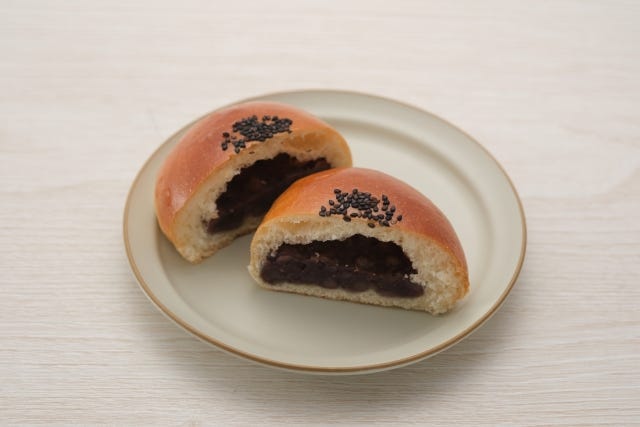
Japanese sweet buns called “Anpan,” filled with sweet red bean paste and topped with sesame seeds.
Personal Discovery: Spreading the Joy of Anko
I love going on short trips around Japan, exploring regional specialties. Each area offers its own spin on anko-based confections. There’s the simple but timeless ohagi (anko-coated rice balls) or the more refined yokan (a firm block of sweet bean jelly). Wherever I go, I’m reminded how deep-rooted anko is in our culture: it’s not just a dessert, but a symbol of comfort, celebration, and even artistry.
Once, a European friend of mine asked, “Can anko work outside of sweets?” I explained that some Japanese dishes, like ankoto (red bean paste) used in limited savory recipes, do exist, but they’re much less common. He was so intrigued, he decided to try pairing leftover tsubuan with toasted bread and a little sea salt. The verdict? “It’s a blend of sweet and salty that’s oddly addictive,” he admitted. This kind of experimentation highlights anko’s potential versatility beyond conventional desserts.
From Niche Curiosity to Mainstream Hit
So, what does it take for anko to go mainstream in the West? Let’s consider a few key factors:
- Accessibility. People need to find it easily in grocery stores, cafés, or specialty shops. As mochi ice cream grows popular, the packaging and distribution of anko-based sweets could follow a similar path.
- Consumer Education. First-timers may be put off by the words “sweet bean paste.” Even in Japan, the notion of lumps of beans can sound old-fashioned to some. A marketing approach emphasizing the unique flavor, health benefits, or cultural story can help. Think “silky plant-based dessert” rather than “mashed beans with sugar.”
- Fusion Foods & Innovation. Chefs and home cooks who incorporate anko into more familiar Western desserts — cakes, cookies, or chocolate truffles — could attract curious eaters. Hybrid creations spark a conversation, and successful flavors earn repeat fans.
- Wellness & Lifestyle Branding. Highlighting anko’s lower fat content, vegan-friendly credentials, and gentle sweetness can align it with today’s wellness trends.
- Cultural Cachet. Japanese culture and cuisine retain a certain intrigue worldwide. Many Western consumers love the idea of learning more about the tradition behind a food. Tie in tea ceremony or mention centuries of craftsmanship behind wagashi, and anko suddenly has both a unique selling point and a bit of mystique.
Business Opportunities for Food Professionals
For restaurant owners, introducing an anko dessert can set a menu apart. A simple fusion dessert — like an anko-filled doughnut or a decadent anko parfait with fresh fruit — offers something novel without requiring entirely new cooking techniques.
Food manufacturers can consider launching packaged anko or anko-based treats that tap into the plant-based or vegan market. In the same way that hummus (made from chickpeas) exploded in popularity, red bean paste has the potential to become a new pantry staple — especially if marketed with creative flavor varieties and thoughtful branding.
Meanwhile, mochi remains an accessible gateway for newcomers. Mochi ice cream is familiar enough that people are likely to say, “Oh, I’ve tried mochi ice cream. Maybe I’ll also try daifuku.” That progression could eventually grow a loyal consumer base for more traditional sweets. In short, anko seems poised for a breakout, if approached with the right strategies.
The Future of Anko Abroad
One day, I envision walking into an upscale bakery in Paris and seeing small anko tarts alongside macarons, or visiting a café in Los Angeles with a bright poster advertising “Plant-Based Sweet Bean Treats: The Latest Japanese Sensation.” This might sound like a dream, but similar successes have already happened with other Japanese foods. Sushi, once considered too “exotic,” is now mainstream. Ramen shops draw lines around the block in New York and London. Matcha lattes grace countless menus.
In this era of social media and global connectivity, a niche food can leap from obscurity to fame at record speed. Anko’s sweet, natural flavor, combined with its healthy reputation and cultural heritage, creates an appealing package. When I see how quickly mochi-based desserts have spread across the globe, I can’t help but suspect anko is next.
Conclusion: A Bright, Bean-Filled Horizon
As a food enthusiast and a Japanese native, I genuinely believe in the power of anko to cross cultural boundaries. It’s sweet but not cloying, plant-based but indulgent, and intimately tied to our centuries-old culinary traditions. When Westerners encounter sweet red bean paste for the first time, they might be puzzled — but that initial surprise often morphs into curiosity, then delight, and finally, genuine fandom.
If you’re exploring new culinary frontiers or looking for a fresh product idea, consider anko. Whether you try it in a soft daifuku, a warm taiyaki, or a surprising fusion dessert, you just might discover your new favorite sweet treat — and a potential market hit.
For me, as someone who has grown up cherishing that subtle bean flavor, I’m thrilled to watch it travel across oceans. And I hope, one day, you’ll grab a strawberry daifuku or an anko ice cream bar and say, “Beans? Yes, please!”
References
- JETRO — Japan External Trade Organization
- Japan Bean & Grain Association (Japanese)
- Foobal: “Azuki Beans in Global Markets” (Japanese)
- Live Japan: “Foreign Visitors’ Impressions on Wagashi”
- Japanese Food Exporters Association
- Japan Traditional Confectionery Association (Japanese)
- Ten Minutes TV — “Popular Japanese Desserts Among Foreigners” (Japanese)
메타데이터
- post_id
- 4af416832bb8
- slug
- anko-the-unexpected-japanese-sweet-bean-paste-winning-over-western-palates-4af416832bb8
- url
- https://medium.com/@beyond-nippon/anko-the-unexpected-japanese-sweet-bean-paste-winning-over-western-palates-4af416832bb8
- canonical_url
- https://medium.com/@beyond-nippon/anko-the-unexpected-japanese-sweet-bean-paste-winning-over-western-palates-4af416832bb8
- author_url
- https://medium.com/@beyond-nippon
- status
- ok
- fetched_at
- 2026-07-20 17:28:32


