How far are we able to appreciate our children?
How far are we able to appreciate our children? It’s a question that is often difficult for parents to answer sometimes. Instead of…
How far are we able to appreciate our children?
How far are we able to appreciate our children? It’s a question that is often difficult for parents to answer sometimes. Instead of answering it, our ego usually leads us to dismiss it.
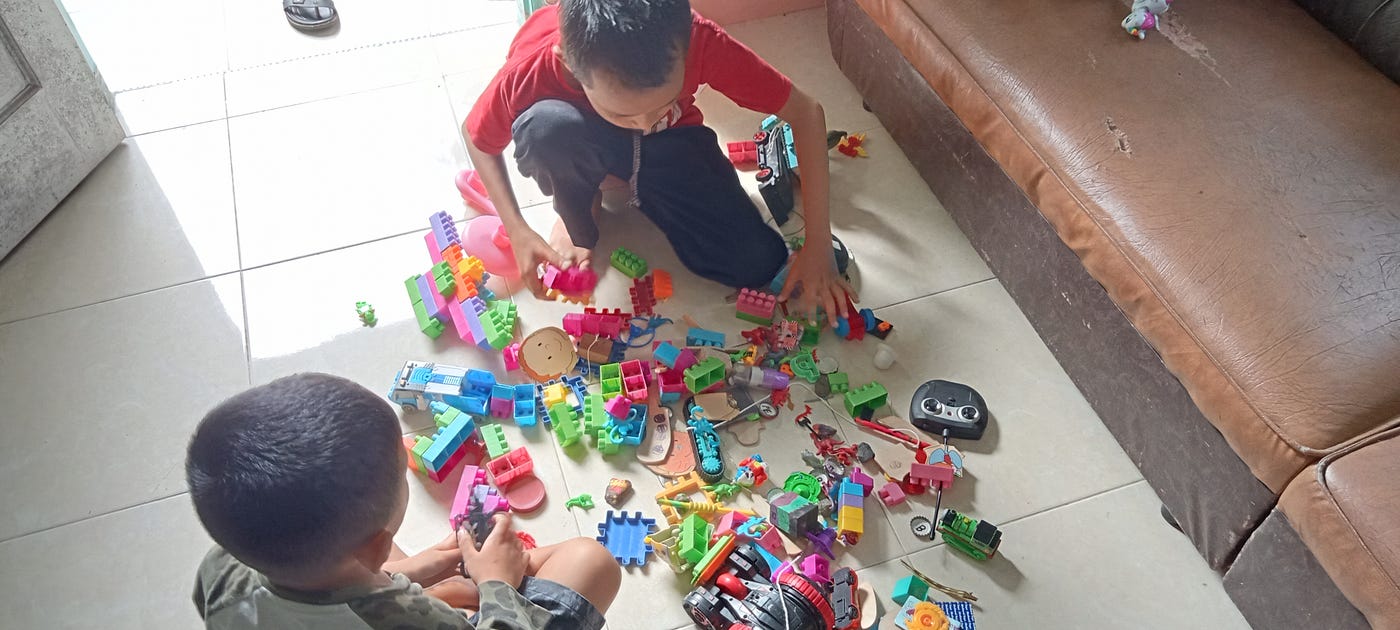
The kids playing together.
Being an adult often makes us unaware that growing older does not always mean becoming mature. In fact, many parents seem resistant to learning how to truly appreciate a child.
The stigma that children must obey, must listen to their parents, and are “still just kids” becomes a solid wall that prevents us from truly knowing who our children are. As a result, it becomes difficult to accept their good intentions.
In daily life, for example, we often see a child accidentally dropping a glass, which ends with shouting. Or when we are asked to help, but they don’t follow instructions or meet our expectations, they are met with our anger and harsh words.
They remain silent, shocked, or even cry. Sometimes, children break their toys or damage kitchen utensils, and we become furious. Our minds are filled with judgment: “That’s too much! Why do they like destroying things?”
But if only we could calm down a little bit, observe, and think. Don’t get angry right away, don’t shout, don’t yell — lower yourself to their level.
Try to sit and observe the process. What did the child do before the glass broke? Maybe they slipped while trying to get you a drink, or maybe they didn’t want to bother you when they felt thirsty.
Try to observe when they are “breaking” their toys. Are they simply destroying them, or are they actually creating something new according to their imagination? Yes, their incredibly creative imagination.
Pay attention when you ask for their help and they don’t follow your instructions, but instead act according to their own ideas. Could it be that a little human is learning to follow their own initiative?
Finally, ask yourself: what is actually your child’s intention? Get to know this innocent little human who is still growing and just beginning to understand the world. Yet often, we force them to face and submit to our adult ego.
Basically, no child has bad intentions. Their intentions are good — they just don’t yet understand the right way, don’t fully realize the consequences, and are still figuring out how to express their desires and imagination. They think about the end result but are not yet familiar with the process.
From this, we as parents should realize how easy it is for us to damage their fragile spirit. How little appreciation we sometimes give to their good intentions. We only see the frustrating outcome, which makes us even more tired.
Remember, an innovator always imagines with thoughts like “what if” or “how about.” And the end of those thoughts is practice and experimentation. There is no experimentation without sacrifice — like an expensive toy that becomes junk in our eyes, but a valuable creation of new shape in the eyes of our children.
There is hidden potential there that we must appreciate and guide so it can grow better. Being an adult means being wise enough to appreciate their good intentions and efforts.
Because in reality, the world has been amazed by figures such as:
- Albert Einstein As a child, he was considered slow and often daydreamed, but later became a great scientist who changed the world with the theory of relativity.
- Thomas Edison Known as a very active and “naughty” child, even considered unfit for school. His mother taught him at home. His curiosity (sometimes causing trouble) led him to become a great inventor.
- Steve Jobs As a child and teenager, he was rebellious and strong-willed. His parents and teachers often struggled with him. Yet his differences led him to create major innovations in technology.
- Elon Musk As a child, he was often seen as “strange,” lost in his own thoughts, and faced social difficulties. He was frequently scolded, yet he is now known as a leading innovator in technology and space.
- Nikola Tesla He had unique and obsessive habits since childhood that confused or annoyed others, but his unusual thinking led to many important inventions.
Their parents must be proud, but not all of them lived to appreciate what they once disliked. So, will we become parents who feel ashamed when the children we never appreciated, grow up to succeed with their ideas and imagination?
메타데이터
- post_id
- 4b042fcd173d
- slug
- how-far-are-we-able-to-appreciate-our-children-4b042fcd173d
- url
- https://medium.com/@erniw87/how-far-are-we-able-to-appreciate-our-children-4b042fcd173d
- canonical_url
- https://medium.com/@erniw87/how-far-are-we-able-to-appreciate-our-children-4b042fcd173d
- author_url
- https://medium.com/@erniw87
- status
- ok
- fetched_at
- 2026-06-10 08:17:25





