When the Body Warns You Quietly About Heart Attack and Stroke
The early symptoms are often subtle, sudden, and easy to dismiss until they become an emergency.
When the Body Warns You Quietly About Heart Attack and Stroke
The early symptoms are often subtle, sudden, and easy to dismiss until they become an emergency.
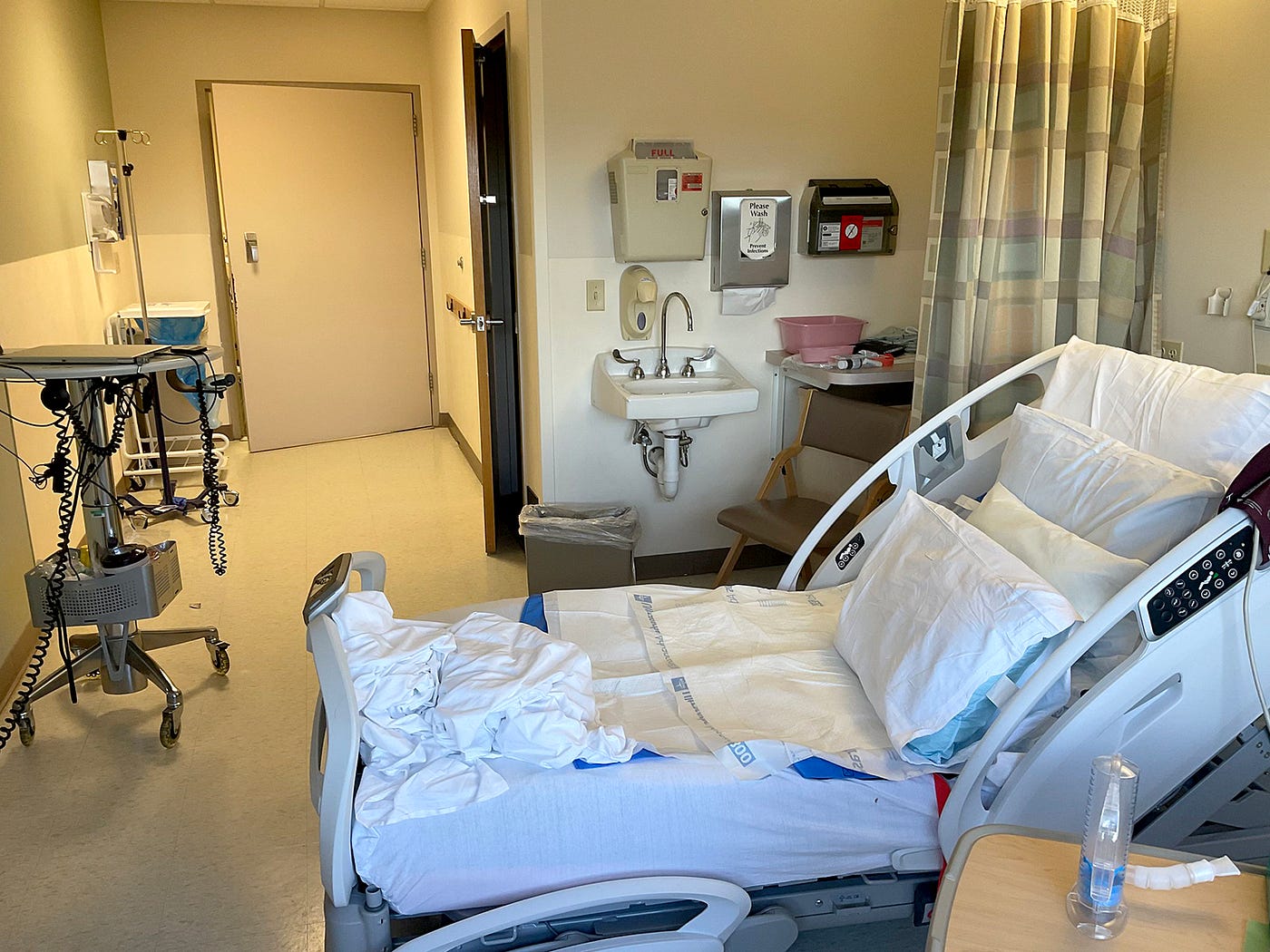
Photo by Navy Medicine on Unsplash
Some of the most dangerous things in life do not arrive loudly. They do not always come with drama or a dramatic collapse in the middle of the room.
Sometimes they begin as a strange pressure in the chest, a sudden weakness, a feeling that something is off but not yet bad enough to panic about. That silence is what makes heart attack and stroke so frightening .
I think what people miss most is how ordinary the moments can feel before everything changes.
Quiet Before It Becomes Serious
A person may be sitting at home, answering messages, eating dinner, or trying to sleep, and the body starts whispering instead of shouting. For a heart attack, warning signs can include chest pressure, pain in the arms, back, neck, jaw, or stomach, and shortness of breath .
For stroke, the signs can be sudden numbness or weakness on one side, trouble speaking, confusion, dizziness, trouble walking, or sudden vision problems .
That is the unsettling part. It does not always feel like a movie scene. Sometimes it feels like fatigue. Or indigestion. Or “maybe I just need to rest.”
What People Often Ignore
People are trained to dismiss discomfort.
We tell ourselves:
- It’s probably stress.
- It will pass.
- I’m just tired.
- I ate too fast.
- I need sleep.
And sometimes it really is something small. But sometimes it is not. The problem is that heart attack and stroke symptoms can look vague at first, especially when a person expects danger to feel bigger than it actually does .
That delay matters. A few minutes of doubt can become a longer, more dangerous wait.
Why It Feels So Personal
Heart disease does not feel abstract when it shows up in a family.
It becomes the thing people whisper about after a hospital visit, the thing they do not fully explain at dinner, the thing that makes everyone suddenly serious and quiet. Stroke can do the same. It can alter speech, movement, memory, and the shape of a person’s daily life in ways that are hard to prepare for . Heart attack and stroke are not just medical events. They are disruptions that touch identity, routine, and the people who love the person affected .
Maybe that is why these topics hit harder than they should. They remind us that the body is not endless. It is not invincible just because we are busy.
The Signs That Matter
The American Heart Association and CDC both emphasize that warning signs should not be waited out if they appear suddenly . If someone has chest discomfort, shortness of breath, pain spreading to the arm, back, neck, jaw, or stomach, or stroke symptoms like face drooping, arm weakness, or speech trouble, it is an emergency .
A simple way to think about it:
- Heart attack often feels like chest pressure, pain, or unusual shortness of breath .
- Stroke often feels like sudden weakness, confusion, speech trouble, or balance and vision changes .
The important thing is not to “wait and see” when symptoms are sudden.
What This Really Teaches Us
The body has a way of asking for attention long before it demands it.
And a lot of people miss the early request because life is noisy. Work is noisy. Family is noisy. Bills are noisy. Stress is noisy. So when the body gets quiet, we confuse that quiet with safety. But quiet is not always safe. Sometimes quiet is just the moment before the truth becomes impossible to ignore.
Pain does not always announce itself in a way that feels urgent enough.
That is why these warnings matter.
After the Shock
If there is one thing heart attack and stroke teach people, it is that prevention is not a perfect shield. But it does matter. Healthier blood pressure, cholesterol control, movement, sleep, not smoking, and managing diabetes all help lower risk, even though no single habit removes risk completely . The point is not to become obsessed with fear. The point is to respect the body before it has to break your attention to be heard .
And maybe that is the real lesson. Not panic. Not guilt. Just attention.
Because sometimes the difference between “something feels off” and “it is too late” is the moment a person decides to take the body seriously.
메타데이터
- post_id
- 4b271e468e6f
- slug
- when-the-body-warns-you-quietly-about-heart-attack-and-stroke-4b271e468e6f
- url
- https://medium.com/illumination/when-the-body-warns-you-quietly-about-heart-attack-and-stroke-4b271e468e6f
- canonical_url
- https://medium.com/illumination/when-the-body-warns-you-quietly-about-heart-attack-and-stroke-4b271e468e6f
- author_url
- https://medium.com/@joeb36250
- status
- ok
- fetched_at
- 2026-06-09 15:37:30