How SHEGLAM Turned $5 Makeup Into a Global Beauty Phenomenon
In an industry dominated by luxury brands, celebrity-founded beauty companies, and billion-dollar marketing budgets, few people expected a…
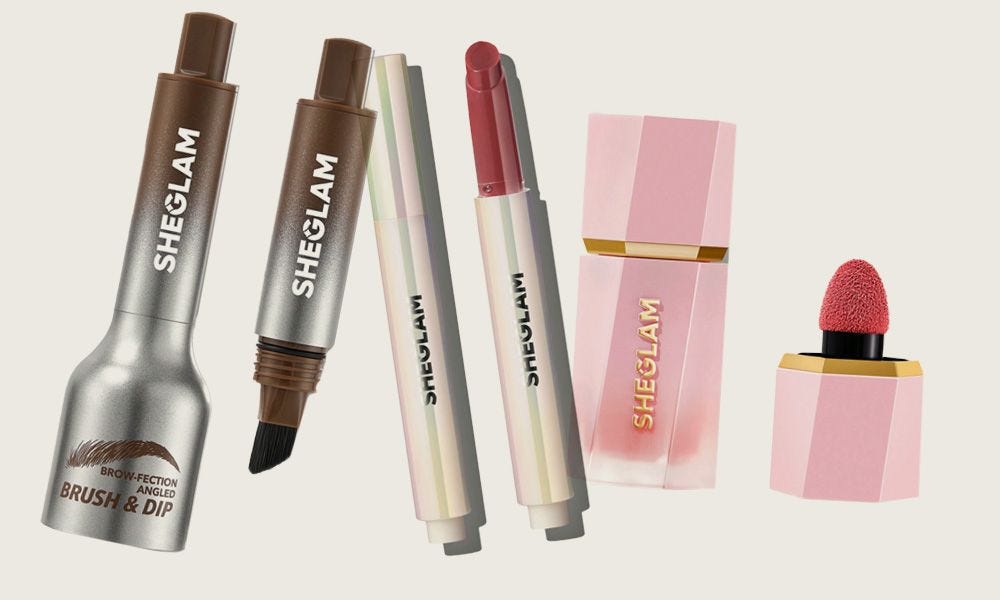
How SHEGLAM Turned $5 Makeup Into a Global Beauty Phenomenon
In an industry dominated by luxury brands, celebrity-founded beauty companies, and billion-dollar marketing budgets, few people expected a budget makeup brand from China to become one of the biggest names in global beauty.
Yet that’s exactly what SHEGLAM has done.
Over the past few years, the brand has exploded across social media, generating billions of views on TikTok, attracting millions of followers worldwide, and becoming a favorite among beauty creators from Los Angeles to London. Today, SHEGLAM products regularly appear in viral makeup tutorials, influencer reviews, and “must-have” beauty lists across multiple continents.
So how did a brand selling products for as little as $3 to $15 manage to capture the attention of Gen Z consumers worldwide?
The answer lies in a combination of fast product development, influencer-driven marketing, and an unusually deep understanding of local consumer preferences.
The Beauty Brand Built on SHEIN’s Playbook
As the beauty subsidiary of SHEIN, SHEGLAM inherited one of the most powerful competitive advantages in modern e-commerce: speed.
Much like SHEIN revolutionized fast fashion by rapidly responding to consumer demand, SHEGLAM applies a similar model to beauty.
Instead of relying on long product development cycles, the company continuously launches new products, quickly adapting to emerging trends and viral beauty aesthetics.
A makeup look can start trending on social media, and before competitors have time to react, SHEGLAM often already has products designed around that trend.
Combined with aggressive pricing — typically ranging from $3 to $15 per product — the strategy makes beauty experimentation far more accessible for younger consumers.
For Gen Z shoppers, who are often eager to try new looks without spending luxury-brand prices, the appeal is obvious.
But affordability alone doesn’t create a global beauty phenomenon.
Plenty of inexpensive makeup brands exist.
What sets SHEGLAM apart is how effectively it turns attention into influence.
Launching With Influencer Firepower
When SHEGLAM entered the market, it faced a significant challenge.
While SHEIN was already one of the world’s largest fashion retailers, its beauty division still needed to establish its own identity and credibility.
The company responded by partnering with some of the biggest beauty creators online.
One of its most notable early collaborations involved beauty influencer and content creator James Charles.
At the time, James Charles had one of the largest audiences in the beauty space, with tens of millions of followers across platforms.
His review and demonstration videos introduced SHEGLAM to a massive global audience almost overnight.
Rather than simply showcasing products, creators compared them against established beauty brands, tested their performance, and evaluated whether low-cost products could actually compete with higher-priced alternatives.
The strategy worked.
Millions of viewers discovered the brand through trusted creators rather than traditional advertising.
That trust became the foundation for future growth.
Why Micro-Influencers Became the Real Growth Engine
After building initial awareness through large creators, SHEGLAM shifted toward a more scalable influencer strategy.
Instead of relying exclusively on mega influencers, the brand invested heavily in partnerships with mid-tier and micro creators.
This approach allowed SHEGLAM to reach highly diverse audiences across different demographics and regions.
The brand collaborated with:
- College students creating beauty content
- Black beauty creators
- Asian makeup influencers
- LGBTQ+ creators
- Middle Eastern beauty bloggers
- Lifestyle and fashion influencers
The result was a content ecosystem that felt authentic rather than overly polished.
Consumers could see people who looked like them, shared similar lifestyles, and faced similar beauty concerns.
This significantly increased relatability and trust.
Even more importantly, SHEGLAM actively encouraged user-generated content by sending products to everyday consumers and smaller creators.
Thousands of authentic reviews, tutorials, and unboxing videos helped keep the brand constantly visible across social platforms.
Building a Social Media Machine
Few beauty brands have mastered short-form content as effectively as SHEGLAM.
Its social media strategy is built around one core principle:
Make products visually irresistible.
Scrolling through SHEGLAM’s content, you’ll notice recurring themes:
- Bright, dopamine-inducing colors
- Satisfying product demonstrations
- Immersive editing styles
- Eye-catching packaging
- Trend-driven makeup transformations
The content is designed specifically for platforms like TikTok, Instagram Reels, and YouTube Shorts, where visual impact often determines whether users stop scrolling.
Instead of lengthy product explanations, SHEGLAM focuses on showing the product in action.
The result is a steady stream of highly shareable content that regularly generates millions of views.
This strategy has helped the brand build one of the largest social media communities among emerging beauty brands.
The Secret Weapon: Localized Product Development
Perhaps the most underrated aspect of SHEGLAM’s success is its commitment to localization.
Many global beauty brands attempt to sell the same products everywhere.
SHEGLAM takes a different approach.
The company recognizes that beauty preferences vary dramatically across regions.
Consumers in different countries face different climates, cultural influences, skin tones, and beauty standards.
Instead of treating international markets as one audience, SHEGLAM adapts its product offerings to local demand.
Examples include:
- High-coverage foundations designed for consumers in Middle Eastern markets
- Sweat-resistant setting products tailored for Southeast Asia’s humid climate
- Neutral, natural-toned palettes that appeal to European beauty preferences
- Trend-driven products inspired by local beauty communities
This localized approach allows the brand to remain relevant across multiple regions simultaneously.
It’s one of the reasons SHEGLAM has successfully entered beauty rankings in dozens of countries worldwide.
More Than Cheap Makeup
One common misconception about SHEGLAM is that its success is purely based on low prices.
Price certainly helped attract attention.
But price alone doesn’t generate billions of social media views.
The real story is how the company combined affordability with cultural relevance.
Consumers aren’t just buying inexpensive makeup.
They’re buying products that feel current, social-media-friendly, and designed specifically for them.
The brand understands that modern beauty consumers want more than functionality.
They want products that fit into their digital lifestyles, create shareable moments, and reflect evolving beauty trends.
What Other Brands Can Learn From SHEGLAM
SHEGLAM’s rise offers valuable lessons for brands looking to expand internationally.
First, influencer marketing works best when it extends beyond celebrity partnerships and includes creators at every level of the ecosystem.
Second, social media content should be designed for platform behavior rather than traditional advertising formats.
And finally, localization matters.
Consumers in different regions may share global platforms, but their preferences remain deeply local.
Brands that understand those differences often gain a significant competitive advantage.
Final Thoughts
SHEGLAM didn’t become a global beauty success story simply because it sells affordable makeup.
It succeeded because it combined fast product innovation, influencer-driven storytelling, social-first content creation, and localized market strategies into a cohesive growth engine.
In an increasingly crowded beauty industry, that’s a powerful formula.
The brand’s journey demonstrates that modern consumers don’t necessarily care where a product comes from.
They care whether it fits their lifestyle, reflects their identity, and delivers value.
And when those elements come together, even a $5 makeup product can become a global phenomenon.
메타데이터
- post_id
- 4b41b694d103
- slug
- how-sheglam-turned-5-makeup-into-a-global-beauty-phenomenon-4b41b694d103
- url
- https://medium.com/socialbook/how-sheglam-turned-5-makeup-into-a-global-beauty-phenomenon-4b41b694d103
- canonical_url
- https://medium.com/socialbook/how-sheglam-turned-5-makeup-into-a-global-beauty-phenomenon-4b41b694d103
- author_url
- https://medium.com/@bambi_99451
- status
- ok
- fetched_at
- 2026-07-19 05:17:48