Why Are Backshells and Cable Clamps Essential for Stronger and Safer Cable Assemblies?
Introduction
Why Are Backshells and Cable Clamps Essential for Stronger and Safer Cable Assemblies?
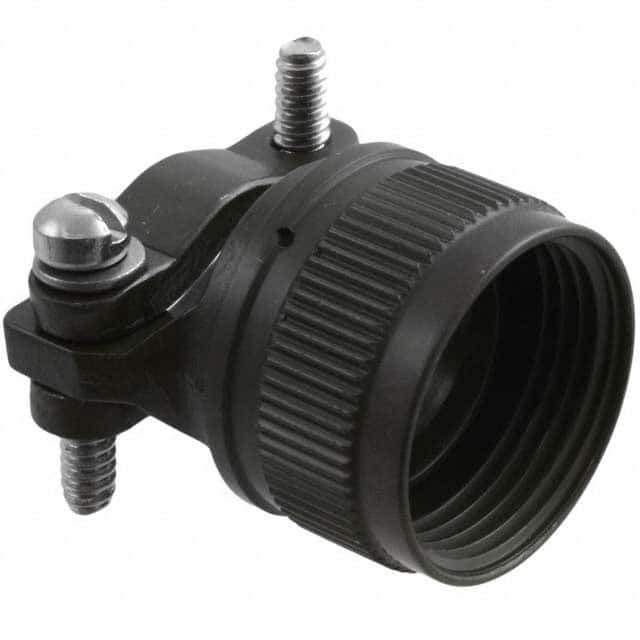
Backshells and Cable Clamps
Introduction
Cable assemblies are expected to perform reliably in environments where movement, vibration, heat, dust, and electrical interference can all affect long term performance. In many systems, the connector receives most of the attention, but the area where the cable exits the connector is just as critical. This is where Backshells and Cable Clamps become highly valuable. They help reinforce the connection, support the cable, and reduce the risks that come from strain, poor routing, and environmental exposure.
**Backshells and Cable Clamps** are widely used in electrical, electronic, aerospace, industrial, transport, and communication systems because they improve the durability and performance of cable terminations. These components are not simply optional accessories. In many demanding applications, they are necessary for creating a complete and dependable interconnection solution. When properly selected, they help protect sensitive conductors, maintain cable organization, and support stable signal or power transmission.
What Do Backshells and Cable Clamps Do?
Backshells are fitted to the rear of a connector and create a controlled transition between the connector body and the cable. They are used to provide mechanical support, strain relief, cable guidance, shielding continuity, or environmental protection depending on the application. By reinforcing the connector exit point, backshells help reduce wear and prevent premature failure.
Cable Clamps are used to secure **cables** and cable bundles so they remain in the correct position during operation. They help stop unwanted movement, prevent excessive pulling force, and reduce the chance of cable damage caused by vibration or repeated bending. In many applications, Backshells and Cable Clamps work together to protect both the connector and the cable assembly as a whole.
The Importance of Cable Support in Real World Conditions
In theory, a **connector** may appear secure once it is installed. In practice, however, cables are often exposed to motion, tension, twisting, or environmental stress. Over time, these forces can weaken conductors, loosen shielding connections, or damage insulation. This is especially true in machinery, vehicles, portable equipment, and systems with limited installation space.
Backshells and Cable Clamps reduce these risks by giving the cable a more stable exit path and by holding it firmly where needed. Their role becomes even more important in installations that involve:
- Continuous vibration
- Tight cable routing
- Repeated maintenance access
- Heavy cable bundles
- Harsh industrial conditions
- Sensitive signal transmission
- Outdoor or sealed equipment
Without proper support, the connector termination area can become one of the weakest points in the system.
Main Advantages of Backshells and Cable Clamps
Using Backshells and Cable Clamps offers several important operational benefits. These advantages go beyond neat **cable management** and directly affect the reliability of the electrical connection.
Better strain relief
Strain relief is one of the most important functions. These components reduce the direct force placed on terminations when cables are pulled, flexed, or moved. This protects both contacts and conductors from damage.
Improved cable routing
Backshells help direct the cable in a controlled way, which is useful in compact assemblies or where a specific exit angle is required. Proper routing reduces stress and supports cleaner installation layouts.
Greater mechanical stability
Cable Clamps help hold the cable in position so it does not shift during operation. This is especially useful in vibration-prone environments and moving equipment.
Support for shielding performance
In applications involving signal integrity, certain backshell designs help maintain bonding between cable shielding and the connector housing. This contributes to effective EMI control.
Added environmental protection
Some backshell options are designed to support sealing against moisture, dust, and contaminants. This improves reliability in harsh or outdoor conditions.
Types of Backshells Commonly Used
Not all backshells are the same. Different cable assemblies require different styles depending on the connector type, cable size, and operating environment.
Straight backshells
Straight backshells allow the cable to exit in a direct line from the connector. They are often chosen for installations with adequate space and simple cable routing.
Right-angle backshells
Right-angle backshells change the cable direction immediately after the connector. They are useful in compact layouts and help avoid tight cable bends.
Shielding backshells
These backshells are designed for applications where **electrical** noise must be controlled. They help provide shielding continuity and are often used in communication, aerospace, and control systems.
Environmental backshells
These are selected when additional protection is needed against dirt, liquids, or other environmental hazards.
Types of Cable Clamps and Their Uses
Cable Clamps also come in a variety of styles depending on how cables need to be retained and organized.
P-clamps
P-clamps are commonly used to fasten cables along panels, machine frames, and support structures. They are simple, durable, and widely used across many industries.
Strain relief clamps
These **clamps** are placed close to cable terminations to reduce movement and protect the connector interface from direct mechanical stress.
Bundle clamps
Bundle clamps are useful where multiple cables must be grouped together and routed neatly through an assembly.
Adjustable clamps
Adjustable clamps offer flexibility when cable sizes differ or when future maintenance requires a more adaptable fixing method.
How to Choose the Right Backshells and Cable Clamps
Selecting Backshells and Cable Clamps requires a practical understanding of the cable assembly and the operating conditions. A correct match improves reliability, while a poor selection may create fitting or performance issues.
Important factors to consider include:
- Connector compatibility
- Cable outer diameter
- Required cable exit angle
- Shielding needs
- Temperature range
- Exposure to vibration
- Moisture or dust protection
- Material requirements
- Space limitations inside the equipment
Material choice is also important. Metal backshells are often preferred for shielding and strength, while lighter materials may be suitable where reduced weight is important. Cable Clamps should also be chosen for durability, corrosion resistance, and long service life in the intended environment.
Best Practices for Installation
Even the right product can perform poorly if installed incorrectly. Good installation practices help ensure that Backshells and Cable Clamps deliver their full value.
Recommended practices include:
- Confirm cable and connector dimensions before assembly
- Avoid sharp bends at the cable exit
- Tighten hardware carefully without damaging the cable jacket
- Ensure shielding connections are properly terminated where needed
- Keep cable routing clean and free from twisting
- Inspect support points regularly in high-motion environments
Careful installation helps prevent avoidable failures and improves overall cable assembly quality.
Conclusion
Backshells and Cable Clamps are essential components in cable assemblies that require strength, protection, and dependable performance. They help reduce mechanical stress, improve routing, support shielding, and protect the connector termination area from daily wear. In applications where reliability matters, these components can make a significant difference in both performance and service life.
Understanding how Backshells and Cable Clamps function allows designers, engineers, and buyers to build more robust cable systems. By choosing the right type, material, and installation method, it is possible to create assemblies that remain secure, organized, and reliable even in demanding operating conditions.
메타데이터
- post_id
- 4b4fd480e295
- slug
- why-are-backshells-and-cable-clamps-essential-for-stronger-and-safer-cable-assemblies-4b4fd480e295
- url
- https://medium.com/@joddiemarshall6/why-are-backshells-and-cable-clamps-essential-for-stronger-and-safer-cable-assemblies-4b4fd480e295
- canonical_url
- https://medium.com/@joddiemarshall6/why-are-backshells-and-cable-clamps-essential-for-stronger-and-safer-cable-assemblies-4b4fd480e295
- author_url
- https://medium.com/@joddiemarshall6
- status
- ok
- fetched_at
- 2026-07-13 06:23:13