Practical Multi-Tenant SaaS Provisioning and Automated Onboarding
Introduction: Why Multi-Tenant SaaS Matters
Practical Multi-Tenant SaaS Provisioning and Automated Onboarding
Software Development Company | KodekX
Introduction: Why Multi-Tenant SaaS Matters
If you’ve ever used software that serves multiple organizations at once, you’ve likely encountered multi-tenant SaaS. Think of it like an apartment building: multiple tenants share the same infrastructure but enjoy private, isolated spaces. This approach is increasingly popular because it’s cost-effective, scalable, and easier to maintain.
But provisioning these tenants and automating their onboarding can feel like juggling flaming torches — exciting, but tricky if not handled right.
Understanding Multi-Tenant SaaS Architecture
Single vs Multi-Tenant Models
In a single-tenant setup, each customer gets a dedicated instance of the software. It’s like owning a private house — lots of freedom, but expensive and hard to scale.
Multi-tenant, on the other hand, is like living in a condo: shared infrastructure, shared costs, but still private spaces within the system.
Benefits of Multi-Tenant Architecture
Cost Efficiency
With shared infrastructure, hardware and maintenance costs drop. You’re essentially splitting the electricity bill with neighbors — you save money, everyone wins.
Scalability
Need to add 100 new customers? No problem. Multi-tenant architecture can scale horizontally and vertically without replicating everything for each new client.
Easier Maintenance
Updates, bug fixes, and new features roll out seamlessly across tenants. One patch fits all — no need to maintain dozens of separate instances.
Core Principles of SaaS Provisioning
User Segmentation and Tenant Isolation
Proper provisioning starts with knowing who gets what. Segmentation ensures that each tenant’s data, settings, and permissions are isolated and secure. Think of it like color-coding folders: no one accidentally sees someone else’s files.
Resource Allocation Strategies
CPU, memory, and storage must be efficiently allocated. Overprovisioning wastes money; underprovisioning frustrates users. Automated monitoring tools help strike the perfect balance.
Security and Compliance Considerations
Multi-tenant SaaS often handles sensitive data. Compliance standards like GDPR, HIPAA, or SOC 2 must be baked into the provisioning process. Encryption, access controls, and audit logs are your best friends here.
Automating SaaS Onboarding
Defining Onboarding Workflows
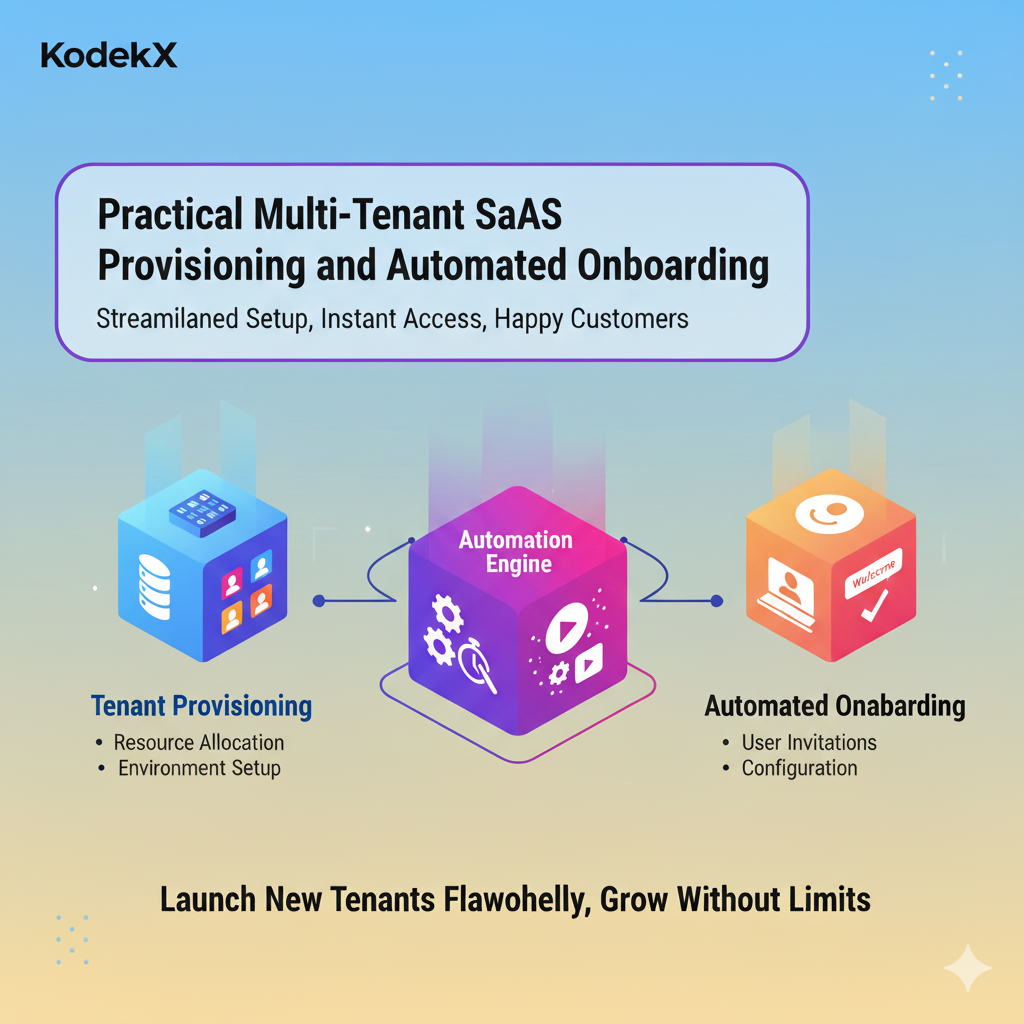
Automation begins with mapping out each step of the onboarding journey: account creation, user verification, role assignment, and initial setup. Visual workflow tools can make this process almost drag-and-drop.
Integrating Identity and Access Management (IAM)
IAM systems like Okta, Auth0, or Azure AD help automate login credentials, role-based access, and single sign-on. This ensures users can jump in without manual intervention, reducing friction.
Automated Notifications and Alerts
Keep your users informed at every step with automatic emails, SMS, or in-app notifications. A friendly “Welcome aboard!” goes a long way in improving adoption.
Tools and Platforms for Provisioning and Onboarding
Popular SaaS Management Platforms
Platforms like Salesforce, ServiceNow, and Zoho provide robust provisioning modules. They’re like Swiss Army knives for tenant management — everything in one place.
Automation Frameworks and APIs
Leveraging APIs and automation frameworks (think Terraform, Ansible, or custom scripts) allows you to spin up new tenants in minutes instead of hours or days.
Common Challenges and How to Overcome Them
Handling Data Segregation
Keep tenants’ data separate to prevent cross-contamination. Techniques like row-level security, dedicated schemas, or separate databases can help.
Managing Scaling Bottlenecks
Load balancing, caching, and monitoring tools help ensure performance doesn’t tank as you grow. Think of it like traffic lights in a busy city — without them, chaos ensues.
Ensuring Smooth User Experience
Onboarding isn’t just technical; it’s emotional. Smooth UX design, tooltips, and guided walkthroughs reduce user friction. Nobody likes a confusing sign-up maze.
Best Practices for Practical Implementation
Start Small and Iterate
Don’t try to automate everything at once. Start with critical workflows, gather feedback, and expand gradually. Agile development principles work wonders here.
Monitoring and Analytics
Track metrics like time-to-onboard, user engagement, and system performance. Analytics help pinpoint bottlenecks before they snowball into problems.
Continuous Improvement and Feedback Loops
Use user feedback to improve onboarding experiences. Even small tweaks — like changing a notification message — can significantly boost adoption.
Case Study Example
Imagine a SaaS company onboarding 500 new tenants per month. By implementing automated workflows and multi-tenant provisioning, they reduced manual setup by 80%, shortened onboarding from days to minutes, and improved customer satisfaction. That’s the power of automation in action.
Conclusion
Multi-tenant SaaS provisioning and automated onboarding might sound complex, but when executed thoughtfully, they save time, reduce costs, and improve customer satisfaction. Start small, automate wisely, and continuously iterate. Your tenants — and your bottom line — will thank you.

https://www.kodekx.com/blog/build-multi-tenant-saas-architecture-from-day-one
메타데이터
- post_id
- 4b7cb6f09dd8
- slug
- practical-multi-tenant-saas-provisioning-and-automated-onboarding-4b7cb6f09dd8
- url
- https://medium.com/@kodekx-solutions/practical-multi-tenant-saas-provisioning-and-automated-onboarding-4b7cb6f09dd8
- canonical_url
- https://medium.com/@kodekx-solutions/practical-multi-tenant-saas-provisioning-and-automated-onboarding-4b7cb6f09dd8
- author_url
- https://medium.com/@kodekx-solutions
- status
- ok
- fetched_at
- 2026-06-28 04:42:08