Digital Bonds & Tokenized Securities: The Future of Investing
Introduction
Digital Bonds & Tokenized Securities: The Future of Investing
Introduction
Capital markets are undergoing a structural shift. Traditional bonds and securities — while foundational to global finance — still operate on infrastructure built decades ago. Settlement cycles of T+2, multiple intermediaries, and fragmented systems create inefficiencies that slow down capital movement and increase costs.
At the same time, investor expectations have evolved. Today’s market demands speed, transparency, accessibility, and programmability.
This is where **digital bonds and tokenized securities come into play. Powered by blockchain technology, these instruments are redefining how assets are issued, traded, and settled — moving the industry toward near real-time (T+0) settlement and global accessibility**.
What Are Digital Bonds & Tokenized Securities?
Digital Bonds
Digital bonds are debt instruments issued and managed on a blockchain network, representing a core use case of **financial tokenization** in capital markets.
Tokenized Securities
Tokenized securities represent traditional financial instruments — such as:
- Bonds
- Equities
- Funds
- Real-world assets
— as digital tokens on a blockchain.
How Tokenization Works
- An underlying asset is digitized into tokens
- Ownership is recorded on a blockchain
- Smart contracts automate lifecycle events such as interest payments and settlements
This creates a single, immutable source of truth for all participants.
Limitations of Traditional Securities Markets
Despite their scale, traditional systems face persistent inefficiencies:
1. Settlement Delays
- Transactions typically settle in T+2 cycles
- Capital remains locked during the process
- Increased exposure to counterparty risk
2. High Issuance & Administrative Costs
- Multiple intermediaries (custodians, clearinghouses, registrars)
- Legal and operational overhead
- Manual documentation and processing
3. Limited Transparency
- Data silos across institutions
- Lack of real-time visibility
- Complex audit trails
4. Restricted Investor Access
- Geographic limitations
- High entry barriers for retail investors
- Limited participation in private markets
5. Liquidity Fragmentation
- Assets often trade in isolated markets
- Limited secondary trading opportunities
- Inefficient price discovery
How Tokenization Transforms Investing
Tokenization introduces a fundamentally different operating model:
Fractional Ownership
- Investors can buy smaller portions of high-value assets
- Expands access to broader investor segments
Near Real-Time Settlement (T+0)
- Transactions settle almost instantly
- Capital efficiency improves significantly
Programmable Securities
- Smart contracts automate:
- Coupon payments
- Compliance checks
- Maturity redemptions
Global Accessibility
- Blockchain enables cross-border participation
- Reduced reliance on local intermediaries
Improved Liquidity
- Tokenized assets can be traded more easily
- Secondary markets become more efficient
Benefits for Market Participants
For Issuers
- Faster capital raising
- Reduced issuance costs
- Direct access to a broader investor base
For Investors
- Access to diversified asset classes
- Lower investment thresholds
- Increased transparency and control
For Institutions
- Streamlined operations
- Reduced counterparty and settlement risk
- Automated compliance and reporting
Traditional vs Tokenized Securities
FeatureTraditional SecuritiesTokenized SecuritiesSettlement TimeT+2Near Real-Time (T+0)TransparencyLimitedHigh (shared ledger)AccessibilityRestrictedGlobal & FractionalIntermediariesMultipleReducedLiquidityFragmentedEnhanced
Real-World Use Cases
1. Digital Government & Corporate Bonds
Governments and enterprises are exploring blockchain-based bond issuance to:
- Reduce costs
- Improve investor reach
- Enhance transparency
2. Tokenized Private Debt & Funds
- Faster fundraising for private markets
- Automated investor onboarding
- Simplified reporting
3. Real Estate-Backed Securities
- Fractional ownership of property assets
- Increased liquidity in traditionally illiquid markets
4. ESG & Green Bond Tokenization
- Transparent tracking of ESG metrics
- Improved investor trust
- Efficient allocation of sustainable capital
Role of Platforms Like Spydra
To bring tokenization into real-world financial systems, institutions need more than just blockchain — they need enterprise-grade infrastructure.
Platforms like Spydra enable:
Asset Tokenization
- Convert real-world assets into blockchain-based tokens
- Support multiple asset classes
Smart Contract Automation
- Automate issuance, settlement, and lifecycle events
- Reduce manual intervention
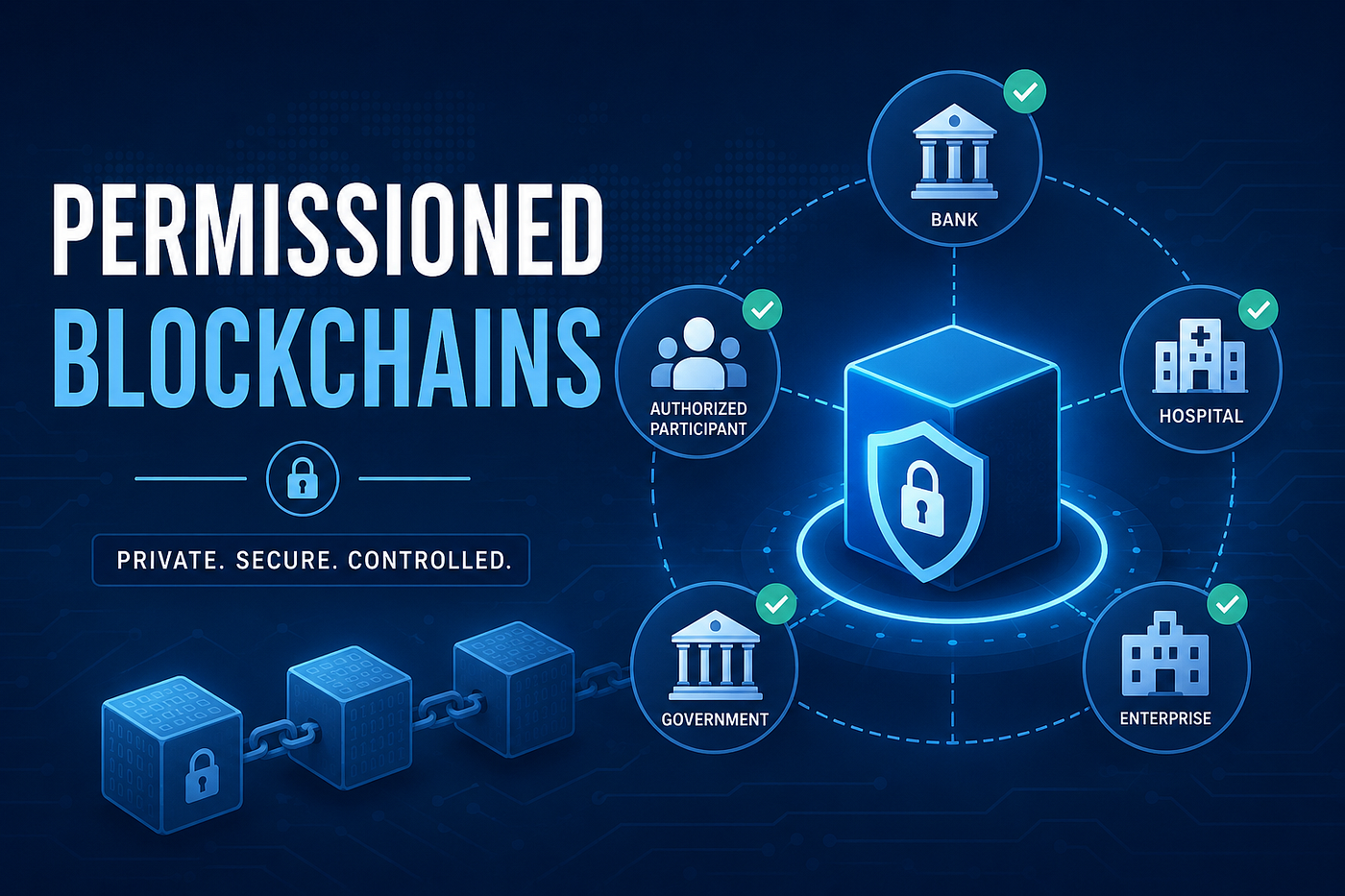
Permissioned Blockchain Infrastructure
- Secure, compliant, and scalable networks
- Role-based access control for participants
Faster Settlement Cycles
- Move from T+2 to near real-time settlement
- Improve liquidity and capital efficiency
Spydra acts as foundational infrastructure, helping institutions adopt tokenization without building complex systems from scratch.
Challenges & Considerations
While the potential is significant, several challenges remain:
Regulatory Uncertainty
- Different jurisdictions have varying rules
- Compliance frameworks are still evolving
Integration with Legacy Systems
- Banks must connect blockchain with existing infrastructure
- Requires robust APIs and middleware
Market Adoption
- Institutional inertia can slow adoption
- Education and trust are key factors
Custody & Compliance
- Secure storage of digital assets is critical
- Regulatory-grade custody solutions are required
Future Outlook
The trajectory of tokenized securities is clear:
- The tokenized asset market is projected to reach trillions of dollars in the coming decade
- Major financial institutions are actively piloting blockchain-based securities
- Hybrid models combining traditional finance (TradFi) and decentralized finance (DeFi) are emerging
Most importantly, T+0 settlement is likely to become the new standard, replacing outdated multi-day cycles.
Conclusion
Digital bonds and tokenized securities represent more than incremental innovation — they signal a fundamental transformation of capital markets.
By leveraging blockchain, financial institutions can:
- Eliminate settlement delays
- Reduce operational complexity
- Unlock new investment opportunities
Early adopters will gain a significant competitive advantage in a rapidly evolving financial ecosystem.
🚀 Explore the Future of Investing
Ready to modernize your investment infrastructure?
Discover how tokenization platforms like Spydra can help you transition to faster, smarter, and more efficient capital markets.
메타데이터
- post_id
- 4b98005acb87
- slug
- digital-bonds-tokenized-securities-the-future-of-investing-4b98005acb87
- url
- https://medium.com/@spydra/digital-bonds-tokenized-securities-the-future-of-investing-4b98005acb87
- canonical_url
- https://medium.com/@spydra/digital-bonds-tokenized-securities-the-future-of-investing-4b98005acb87
- author_url
- https://medium.com/@spydra
- status
- ok
- fetched_at
- 2026-06-12 07:40:50