Exercise Neurobiology 9: Neurochemical Effects of Exercise — VEGF
VEGF Overview
Exercise Neurobiology 9: Neurochemical Effects of Exercise — VEGF

VEGF Overview
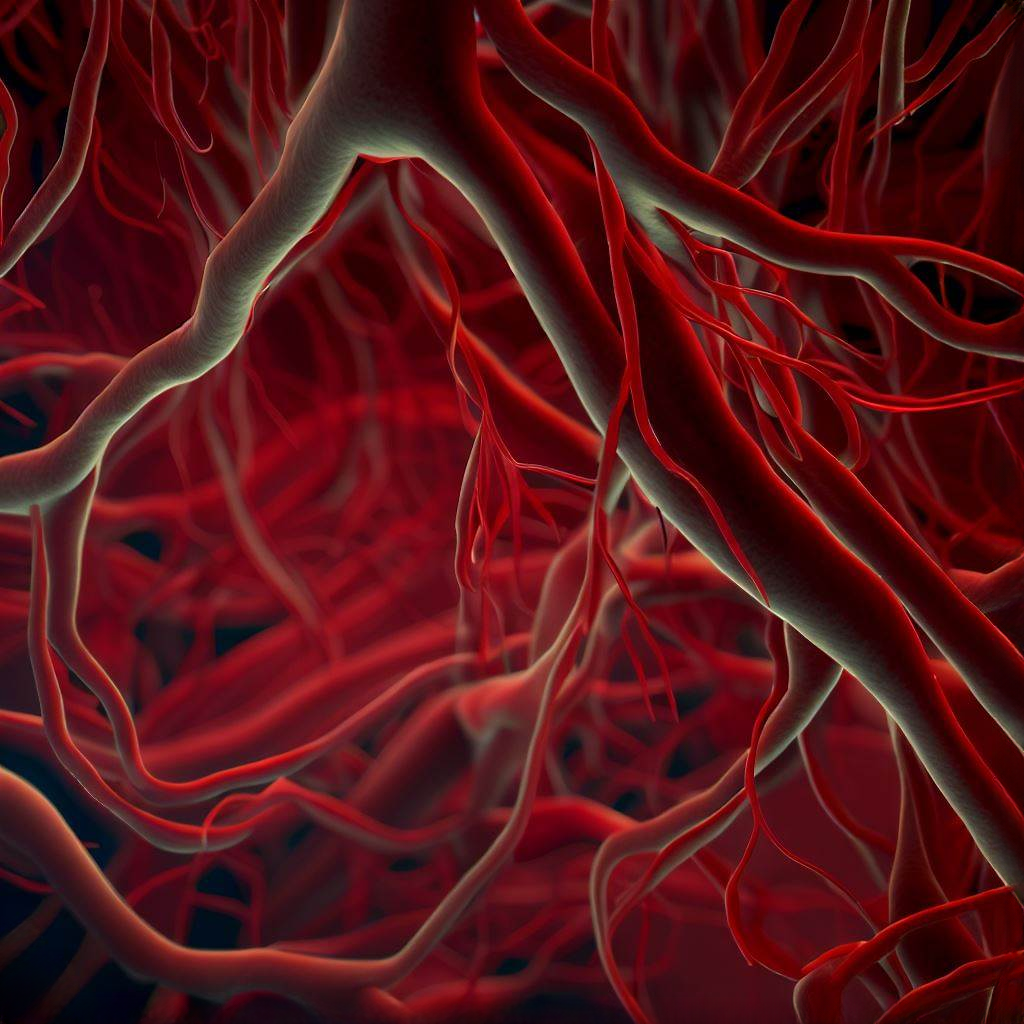
- VEGF and Its Role: VEGF is a signal protein that stimulates the formation of blood vessels. VEGF is vital for angiogenesis, which is the process of new blood vessel formation from pre-existing vessels. In the brain, VEGF contributes to neurogenesis (birth of neurons) and neuroplasticity (adaptability of neural connections).
Exercise and VEGF Production
- Increased VEGF Levels: Regular exercise leads to an increase in VEGF levels. The physiological stress and increased oxygen demands of exercise stimulate the production of VEGF.
- Mechanisms of Increase: The enhanced VEGF production in response to exercise is thought to be a mechanism to improve blood flow to active muscle tissue, including the heart and the brain, to meet the increased demand for oxygen and nutrients.
Implications of Increased VEGF
- Angiogenesis: By stimulating VEGF, exercise promotes angiogenesis, which enhances blood flow in the body, including the brain. This increased blood flow can support better brain function by providing more oxygen and nutrients to brain tissues.
- Neurogenesis and Neuroplasticity: In the brain, VEGF also contributes to neurogenesis and neuroplasticity. By increasing VEGF, exercise can promote the growth of new neurons and enhance the adaptability and strength of neural connections, potentially leading to improvements in cognitive function.
- Neuroprotection: By enhancing blood flow and promoting neurogenesis and neuroplasticity, VEGF may also provide neuroprotective effects, protecting the brain against aging-related decline and neurodegenerative disorders.
Other Considerations
- Individual Variability: The increase in VEGF levels in response to exercise can vary among individuals. Factors such as genetics, age, overall health status, and the type, intensity, and duration of exercise can influence the extent of the VEGF increase.
- Role of Other Factors: Lifestyle factors, including a healthy diet and adequate sleep, can also contribute to optimal VEGF functioning.
메타데이터
- post_id
- 4ba0ea2f5a2
- slug
- exercise-neurobiology-9-neurochemical-effects-of-exercise-vegf-4ba0ea2f5a2
- url
- https://medium.com/@mutant1643/exercise-neurobiology-9-neurochemical-effects-of-exercise-vegf-4ba0ea2f5a2
- canonical_url
- https://medium.com/@mutant1643/exercise-neurobiology-9-neurochemical-effects-of-exercise-vegf-4ba0ea2f5a2
- author_url
- https://medium.com/@mutant1643
- status
- ok
- fetched_at
- 2026-06-29 01:02:39