How to Tell If Your Detroit Diesel ECM Is Failing
Your Detroit Diesel engine is a workhorse. Whether you’re hauling freight across the country or running heavy equipment on a job site, you…
How to Tell If Your Detroit Diesel ECM Is Failing
Your Detroit Diesel engine is a workhorse. Whether you’re hauling freight across the country or running heavy equipment on a job site, you depend on it every single day. But when the Engine Control Module (ECM) starts to fail, that reliability disappears fast and often without much warning.
The ECM is the brain of your Detroit Diesel engine. It manages fuel delivery, monitors sensor data, controls timing, and communicates fault codes. When it starts to malfunction, the symptoms can range from subtle performance issues to a truck that won’t start at all. Knowing the warning signs early can save you thousands in repairs and keep you from getting stranded on the side of the road.
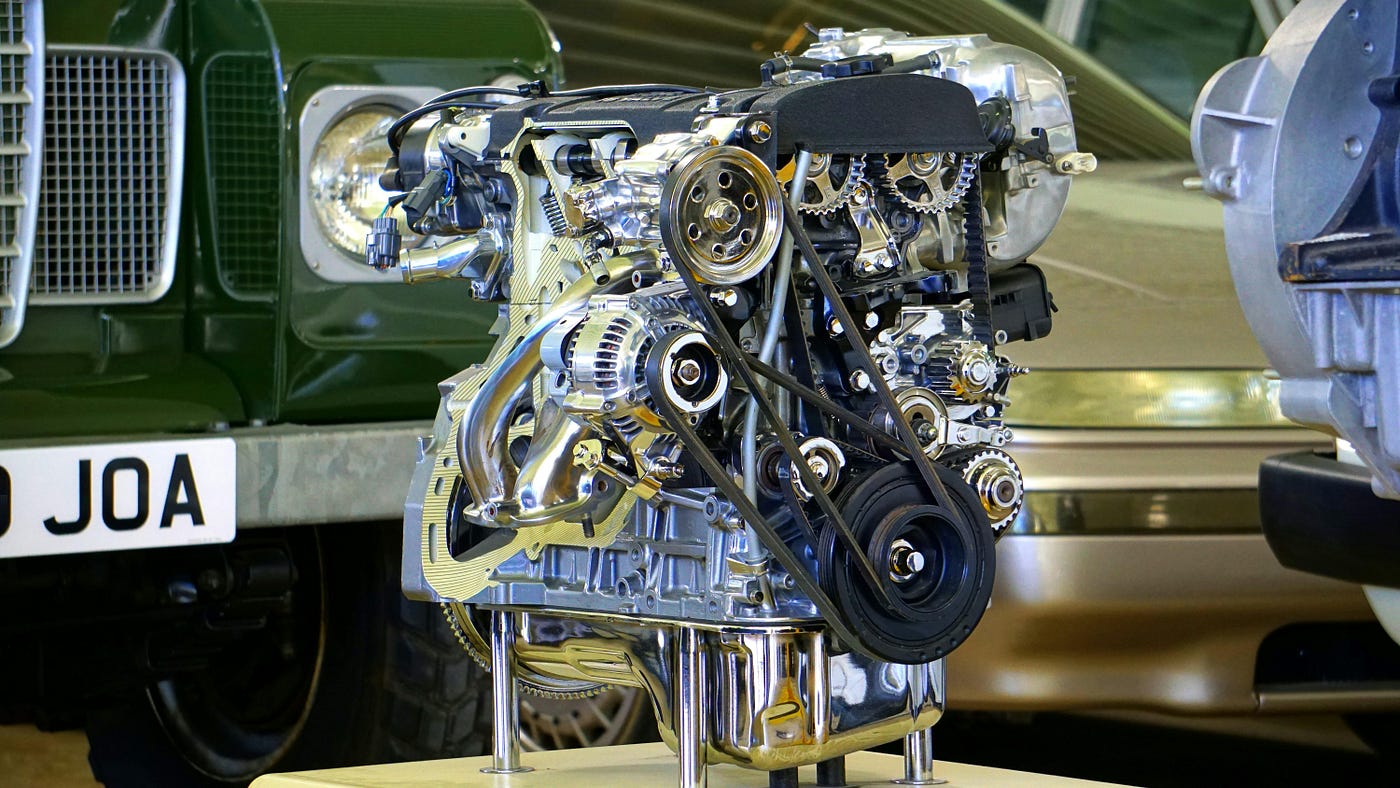
What Does the ECM Actually Do?
Before diving into the warning signs, it helps to understand what the ECM controls. On Detroit Diesel Series 50 and Series 60 engines as well as the DD15 the ECM is responsible for:
- Fuel injection timing and duration
- Engine speed and throttle response
- Turbocharger and exhaust system monitoring
- Fault code detection and storage
- Communication with transmission and other vehicle systems
Because the ECM touches virtually every major engine function, a failing module can produce a wide variety of symptoms that are easy to misattribute to other problems. That’s why ECM diagnosis is often overlooked until the issue gets serious.
Top Warning Signs Your Detroit Diesel ECM Is Failing
1. Engine Won’t Start or Has Hard Starts
One of the most common and frustrating symptoms of ECM failure is a no-start condition. If your Detroit Diesel cranks but won’t fire up or requires multiple attempts before it catches the ECM may not be sending the correct fuel injection signals. Don’t immediately assume it’s a fuel pump or injector problem. A bench test of the ECM can quickly rule it in or out.
2. Unexplained Loss of Power
Is your truck suddenly sluggish under load? A failing ECM can cause the engine to enter a “limp mode” a reduced power state designed to protect the engine from further damage. You might notice the truck struggles on hills, takes longer to accelerate, or can’t maintain highway speeds like it used to. This is a key signal that something is wrong with how the module is communicating with the engine.
3. Fault Codes That Won’t Clear
Detroit Diesel engines store diagnostic trouble codes (DTCs) in the ECM’s memory. If you’re seeing fault codes that keep coming back after being cleared especially codes with no obvious mechanical cause the ECM itself may be storing false data or malfunctioning internally. Common persistent codes related to ECM issues include:
- SID 254 / FMI 12 -ECM internal failure
- SID 231 -J1939 data link fault
- SID 155 -Injector response time faults across multiple cylinders
- SID 1-6 -Injector faults with no physical injector damage found
If a diesel technician has already inspected the sensors, injectors, and wiring with no findings, the ECM is the next logical step.
4. Erratic or Surging RPMs
If your engine RPMs are surging at idle, jumping unexpectedly, or hunting for a stable speed, this points to an ECM that is losing its ability to properly regulate fuel input. This symptom can be especially noticeable at low speeds or during warm-up. Left unchecked, erratic RPM behavior puts added stress on the entire drivetrain.
5. Poor Fuel Economy
A sudden and unexplained drop in fuel efficiency is another red flag. When the ECM fails to calibrate fuel injection properly, the engine can run rich burning more fuel than necessary. If your MPG has noticeably declined and you’ve already ruled out bad fuel, clogged filters, or tire pressure issues, your ECM deserves a closer look.
6. Intermittent or Total Communication Loss
When plugging in a diagnostic scanner gives you no communication, or the connection drops mid-reading, the ECM may have a damaged communication port or corrupted software. This makes accurate diagnosis nearly impossible and is a strong indicator that the module needs repair or replacement.
Common Causes of Detroit Diesel ECM Failure
ECMs don’t fail randomly. Most failures can be traced back to one of these root causes:
- Moisture and corrosion -Water intrusion into the module housing is one of the leading causes of ECM failure, especially in marine and off-road applications
- Voltage spikes -Jump-starting incorrectly or a faulty alternator can send damaging voltage surges through the ECM
- Vibration damage -Prolonged exposure to heavy vibration can loosen internal solder connections over time
- Heat exposure -Extreme engine bay temperatures degrade the circuit board components
- Age and wear -Older DDEC II, III, and IV modules are simply reaching the end of their service life
What To Do If You Suspect ECM Failure
If you’re experiencing any of the symptoms above, here’s the recommended course of action:
Pull and document all fault codes. Use a Detroit Diesel diagnostic tool to read and record every active and stored code before clearing anything.
Rule out sensors and wiring. Have a qualified technician inspect the harness, connectors, and relevant sensors for damage or corrosion.
Send your ECM for bench testing. A specialist can test the module independently from the truck to confirm whether it is at fault.
Choose repair or replacement. Depending on the condition, your ECM may be repairable or you may need a remanufactured unit pre-programmed to your engine specs.
At Diesel ECM Technology, we offer all three service paths: bring your truck in, ship us your module, or order a pre-programmed remanufactured ECM ready for drop-in installation. All of our units come with a 12-month warranty and are programmed to your engine serial number, tire size, and any modifications.
Frequently Asked Questions
Q: Can I drive my truck with a failing ECM?
It depends on the severity. Minor ECM issues may allow limited driving, but a truck in limp mode or with a no-start condition should not be driven. Continuing to operate with a malfunctioning ECM risks damaging injectors, the turbo, and other expensive components.
Q: How do I know if it’s the ECM or a sensor?
Sensors and wiring should always be inspected first since they are cheaper to replace. If sensor tests come back clean but the fault codes persist, a bench test of the ECM is the next step. A reputable diesel ECM shop can test the module in isolation.
Q: How long does ECM repair or replacement take?
If you bring your truck to us or ship the module in, turnaround is typically very fast. If you order a pre-programmed remanufactured unit, it can often ship the same or next business day once we have your engine specs.
Q: Will a remanufactured ECM work exactly like a new one?
Yes. Our remanufactured ECMs are fully rebuilt at a leading electronics facility not just re-certified and loaded with the latest OE software. When purchased with programming, they are turn-key ready for installation.
Q: What Detroit Diesel ECMs do you repair and replace?
We service DDEC II, DDEC III, DDEC IV, DDEC V, and DD15 ECMs for on-road, off-road, marine, and industrial applications. Not sure if your model qualifies? Call us at 616-291-1177 and we’ll help you figure it out.
Don’t let a failing ECM put your truck out of service. The sooner you identify the problem, the more options you have and the less it costs. Contact Diesel ECM Technology
메타데이터
- post_id
- 4bc51f87fb60
- slug
- how-to-tell-if-your-detroit-diesel-ecm-is-failing-4bc51f87fb60
- url
- https://medium.com/@ecmtechdiesel/how-to-tell-if-your-detroit-diesel-ecm-is-failing-4bc51f87fb60
- canonical_url
- https://medium.com/@ecmtechdiesel/how-to-tell-if-your-detroit-diesel-ecm-is-failing-4bc51f87fb60
- author_url
- https://medium.com/@ecmtechdiesel
- status
- ok
- fetched_at
- 2026-06-11 05:11:55