Strategies for Managing Excess Inventory
In the dynamic world of business, managing excess inventory is a challenge that many companies face. Whether it’s due to overestimating…
Strategies for Managing Excess Inventory
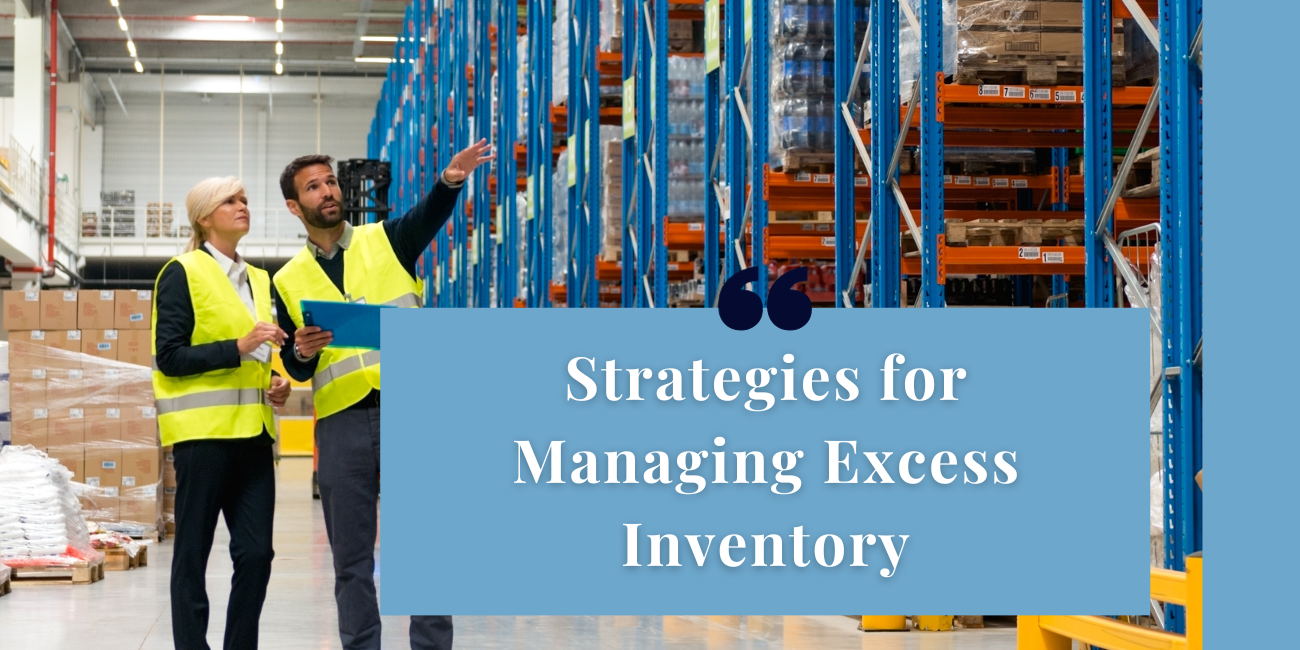
In the dynamic world of business, managing excess inventory is a challenge that many companies face. Whether it’s due to overestimating demand, changes in consumer preferences, or external market shifts, having surplus stock can lead to financial strain. However, with strategic planning and the right approach, businesses can effectively manage excess inventory. In this blog, we’ll explore various strategies to navigate this common issue.
The Impact of Excess Inventory on Businesses
Before diving into strategies, it’s essential to understand the implications of excess inventory on a business. Surplus stock ties up valuable capital occupies warehouse space and can lead to increased holding costs. Moreover, it may result in a downward pressure on prices, affecting profit margins. Recognizing these challenges is the first step toward implementing effective solutions.
Regular Monitoring and Forecasting
One key strategy for managing excess inventory is to implement a robust monitoring and forecasting system. Regularly assess sales trends, market demand, and external factors that may influence your product’s popularity. By staying proactive and adjusting your inventory levels accordingly, you can minimize the risk of overstocking.
Implementing Just-in-Time Inventory
The just-in-time (JIT) inventory management system is designed to minimize excess inventory by ensuring that goods arrive just in time for production or sale. While implementing JIT requires careful coordination with suppliers, it can significantly reduce holding costs and improve cash flow.
Offering Discounts and Promotions
To move excess inventory quickly, consider offering discounts or running promotions. This not only helps clear out surplus stock but can also attract price-sensitive customers. However, it’s crucial to strike a balance to avoid devaluing your products in the long term.
Developing a Return Merchandise Authorization (RMA) System
Establishing a streamlined return merchandise authorization (RMA) system can help manage excess inventory resulting from customer returns. By efficiently processing returns and refurbishing products, when possible, you can reintegrate items into your active inventory or sell them through alternative channels.
Exploring Alternative Sales Channels
When faced with excess inventory, think beyond traditional sales channels. Explore online marketplaces, partner with discount retailers, or consider bulk sales to wholesalers. Diversifying your sales channels can open up new avenues for moving surplus stock.
Conclusion
In conclusion, excess inventory is a challenge that requires a multifaceted approach. Regular monitoring, efficient forecasting, and the implementation of strategies like JIT can prevent overstocking in the first place. However, if surplus stock does accumulate, creative solutions such as discounts, RMAs, and exploring alternative sales channels can help alleviate the issue.
By adopting a proactive mindset and staying adaptable to market changes, businesses can not only manage excess inventory effectively but also turn it into an opportunity for growth. Remember, the key lies in finding the right balance between maintaining sufficient stock levels and avoiding the pitfalls of overstocking.
메타데이터
- post_id
- 4bfcbd8937f6
- slug
- strategies-for-managing-excess-inventory-4bfcbd8937f6
- url
- https://medium.com/@b2bmango/strategies-for-managing-excess-inventory-4bfcbd8937f6
- canonical_url
- https://medium.com/@b2bmango/strategies-for-managing-excess-inventory-4bfcbd8937f6
- author_url
- https://medium.com/@b2bmango
- status
- ok
- fetched_at
- 2026-06-28 10:39:35