Trapezoidal Thread Gauges: The Key to Accurate Thread Inspection in Modern Manufacturing
In today’s competitive manufacturing landscape, precision is no longer optional — it is a necessity. Industries across the globe rely on…
Trapezoidal Thread Gauges: The Key to Accurate Thread Inspection in Modern Manufacturing
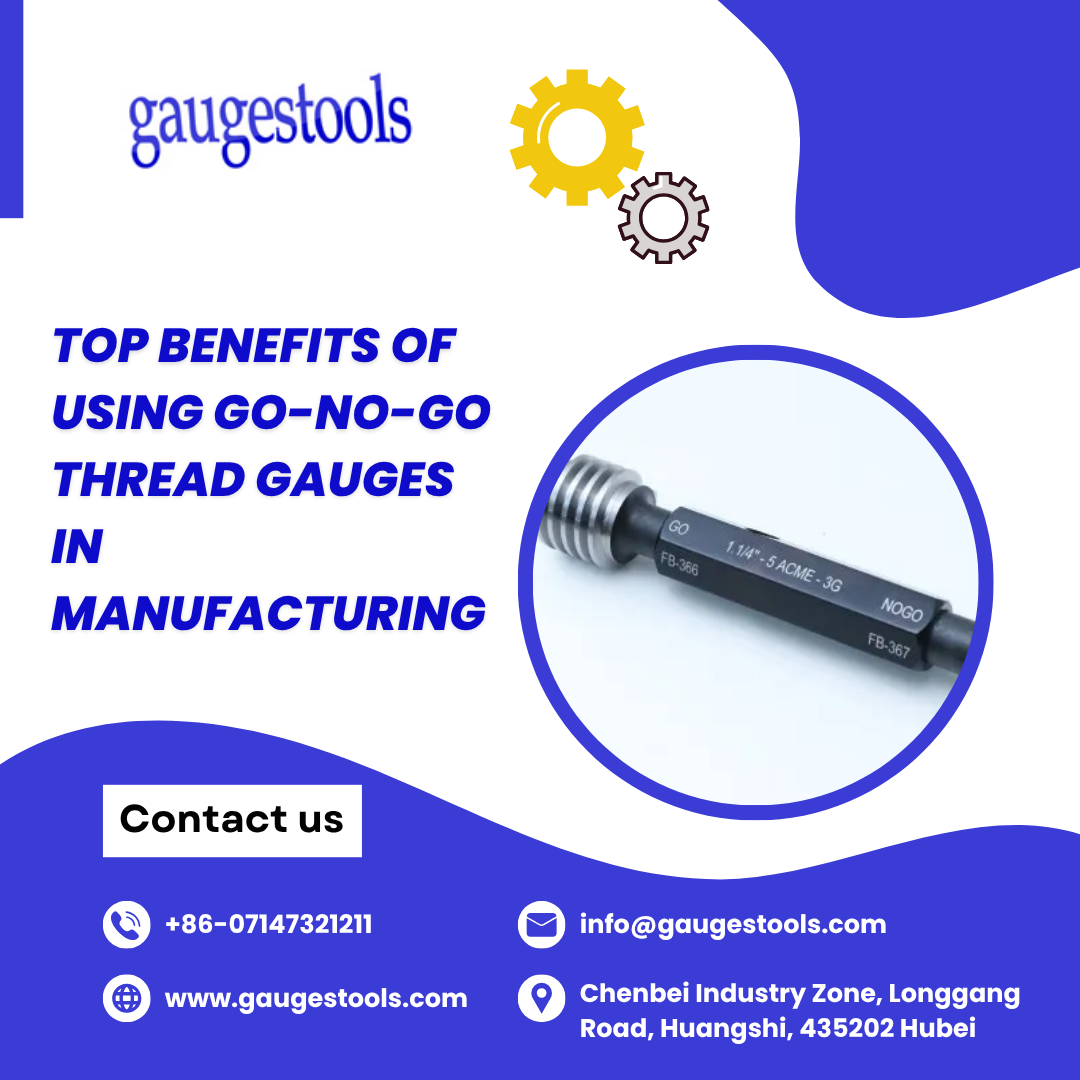
In today’s competitive manufacturing landscape, precision is no longer optional — it is a necessity. Industries across the globe rely on accurately machined components to ensure product performance, safety, and reliability. Among the many critical features found in industrial components, threaded parts play a significant role in assembly, motion transmission, and mechanical operation. To maintain the highest standards of quality, manufacturers depend on precise inspection tools, and one of the most important among them is the **Trapezoidal Thread Gauges**.
These specialized gauges are designed to verify the dimensions and accuracy of trapezoidal threads, helping manufacturers ensure that every component meets industry specifications. Whether used in machine tools, lifting systems, lead screws, or power transmission equipment, accurate thread inspection is essential for achieving consistent performance and reducing manufacturing defects.
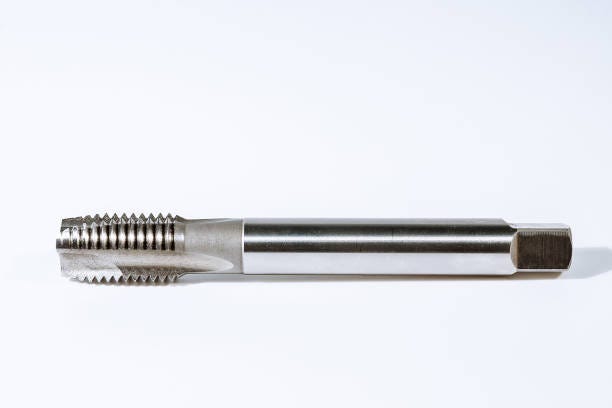
Understanding Trapezoidal Threads
Trapezoidal threads are commonly used in applications that require efficient power transmission and linear motion. Unlike standard V-shaped threads, trapezoidal threads feature a wider thread profile and angled flanks that provide increased strength and durability.
These threads are widely utilized in:
- Lead screws
- Machine tools
- Lifting equipment
- Industrial actuators
- Valve systems
- Automation machinery
Their unique design allows them to handle heavy loads while maintaining smooth operation. However, the effectiveness of these threads depends entirely on dimensional accuracy. Even small variations in pitch, flank angle, or diameter can cause operational issues and reduce component life.
This makes inspection a critical step in the manufacturing process.
Why Thread Inspection Matters
Threaded components must fit together perfectly to function correctly. Inaccurate threads can create a range of problems, including assembly difficulties, excessive wear, vibration, and even mechanical failure.
Proper thread inspection helps manufacturers:
- Verify dimensional accuracy
- Maintain product consistency
- Prevent assembly issues
- Reduce scrap and rework
- Improve product reliability
- Meet industry standards
Without effective inspection procedures, manufacturers risk producing components that fail during operation, resulting in costly repairs and dissatisfied customers.
The Role of Thread Gauges in Quality Control
Thread gauges provide a fast and reliable method for evaluating thread quality. Instead of relying solely on complex measurement equipment, manufacturers can use gauges to quickly determine whether a threaded component falls within acceptable tolerances.
This pass-or-fail inspection method streamlines quality control processes while ensuring consistent results.
Thread gauges are especially useful in high-volume production environments where rapid inspection is essential for maintaining productivity.
By identifying defects early in the manufacturing process, companies can avoid unnecessary costs and improve overall efficiency.
What Makes Trapezoidal Thread Inspection Unique?
Trapezoidal threads have specific geometrical requirements that differ from conventional thread forms. Their larger profile and load-bearing characteristics demand precise manufacturing and inspection.
Factors that must be carefully controlled include:
Pitch Accuracy
The distance between adjacent thread crests must remain consistent throughout the threaded section.
Flank Angle
The thread angle must conform to established standards to ensure proper engagement.
Major Diameter
The largest diameter of the thread must fall within specified limits.
Minor Diameter
The root diameter must also be controlled to maintain strength and compatibility.
Thread Form
The overall trapezoidal profile must match design specifications to ensure efficient load transfer.
Because multiple dimensions must be verified simultaneously, dedicated thread gauges provide a practical and dependable inspection solution.
Benefits of Using Trapezoidal Thread Gauges
Manufacturers across numerous industries rely on Trapezoidal Thread Gauges because they offer several important advantages.
Enhanced Accuracy
These gauges are designed specifically for trapezoidal thread profiles, providing highly accurate inspection results.
Faster Quality Checks
Operators can quickly determine whether a thread meets specifications without lengthy measurement procedures.
Reduced Manufacturing Costs
Early detection of defects helps minimize waste, rework, and production delays.
Improved Product Reliability
Accurate threads contribute to better assembly performance and longer component life.
Consistent Quality Standards
Standardized inspection procedures help maintain uniform product quality across production batches.
Increased Productivity
Rapid inspection allows manufacturers to maintain efficient production schedules while ensuring quality.
Industries That Depend on Trapezoidal Thread Inspection
Trapezoidal threads are widely used in applications where precision and load-bearing capability are essential.
Machine Tool Industry
Lead screws used in milling machines, lathes, and CNC equipment often incorporate trapezoidal threads for smooth linear motion.
Heavy Engineering
Construction and industrial machinery frequently use trapezoidal threaded components to handle substantial mechanical loads.
Automation Systems
Linear actuators and positioning equipment rely on precise thread geometry for accurate movement.
Automotive Manufacturing
Various mechanical assemblies and motion-control systems incorporate trapezoidal threads to achieve reliable performance.
Material Handling Equipment
Lifting mechanisms, jacks, and conveyors often use trapezoidal threaded components because of their strength and efficiency.
In all these industries, precise inspection contributes directly to product performance and operational reliability.
Choosing High-Quality Thread Gauges
Not all thread gauges provide the same level of accuracy and durability. Selecting high-quality inspection tools is essential for maintaining effective quality control.
Important considerations include:
Precision Manufacturing
Gauges should be produced with tight tolerances to ensure reliable measurements.
Durable Construction
Hardened steel materials improve wear resistance and extend service life.
Standards Compliance
Inspection tools should conform to recognized international standards.
Corrosion Resistance
Protective treatments help maintain accuracy in demanding industrial environments.
Calibration Capability
Regular calibration ensures long-term measurement reliability.
Investing in quality gauges ultimately leads to better inspection results and reduced production costs.
Why Manufacturers Choose Gaugestools
For companies seeking dependable thread inspection solutions, Gaugestools has become a trusted name in precision measurement technology.
Known for its commitment to quality and engineering excellence, **Gaugestools** offers thread gauges that are manufactured to strict standards and designed for reliable industrial use.
Manufacturers choose Gaugestools because of:
- Precision-engineered products
- Consistent measurement accuracy
- Durable construction
- Industry-standard compliance
- Reliable customer support
By providing high-performance inspection tools, the company helps organizations improve quality control processes and maintain manufacturing excellence.
Best Practices for Gauge Maintenance
Proper maintenance is essential for preserving gauge accuracy and extending service life.
Some recommended practices include:
Keep Gauges Clean
Remove dirt, oil, and debris after each use.
Store Correctly
Use protective cases to prevent accidental damage.
Avoid Impact
Dropping gauges can affect dimensional accuracy.
Perform Regular Calibration
Scheduled calibration ensures reliable inspection results.
Protect Against Corrosion
Store gauges in a controlled environment and apply protective coatings when necessary.
Following these guidelines helps maximize the lifespan and performance of thread inspection tools.
The Future of Precision Thread Inspection
As manufacturing technologies continue to evolve, quality requirements are becoming increasingly stringent. Advanced automation, CNC machining, and smart manufacturing systems demand greater accuracy than ever before.
Despite technological advancements, thread gauges remain one of the most effective inspection methods available. Their simplicity, speed, and reliability make them indispensable tools in modern production facilities.
Manufacturers that prioritize accurate thread inspection gain a competitive advantage by reducing defects, improving efficiency, and delivering higher-quality products.

Conclusion
Accurate thread inspection is a vital component of modern manufacturing. Trapezoidal threads are widely used in applications where strength, motion control, and power transmission are critical, making precise inspection essential for ensuring performance and reliability.
By using specialized gauges designed specifically for these thread forms, manufacturers can maintain strict quality standards, reduce production errors, and improve customer satisfaction. As industries continue to demand higher levels of precision, the importance of reliable thread inspection will only continue to grow.
Investing in quality inspection solutions and implementing effective quality control procedures ensures that manufacturers remain competitive while delivering products that meet the highest standards of excellence.
FAQ
What are trapezoidal threads used for?
Trapezoidal threads are commonly used in lead screws, machine tools, lifting equipment, actuators, and power transmission systems where efficient linear motion is required.
Why is thread inspection important?
Thread inspection ensures proper fit, functionality, reliability, and compliance with manufacturing standards while reducing defects and rework.
How do thread gauges work?
Thread gauges provide a pass-or-fail inspection method that quickly verifies whether a thread falls within specified dimensional tolerances.
What materials are thread gauges made from?
Most high-quality thread gauges are manufactured from hardened alloy steel for durability and wear resistance.
How often should thread gauges be calibrated?
Calibration frequency depends on usage and quality requirements, but regular calibration is recommended to maintain measurement accuracy.
Why choose Gaugestools for thread inspection solutions?
Gaugestools offers precision-engineered thread gauges designed for accurate inspection, long-term durability, and compliance with industry standards.
메타데이터
- post_id
- 4c20ebd84ea0
- slug
- trapezoidal-thread-gauges-the-key-to-accurate-thread-inspection-in-modern-manufacturing-4c20ebd84ea0
- url
- https://medium.com/@gaugestools./trapezoidal-thread-gauges-the-key-to-accurate-thread-inspection-in-modern-manufacturing-4c20ebd84ea0
- canonical_url
- https://medium.com/@gaugestools./trapezoidal-thread-gauges-the-key-to-accurate-thread-inspection-in-modern-manufacturing-4c20ebd84ea0
- author_url
- https://medium.com/@gaugestools.
- status
- ok
- fetched_at
- 2026-06-23 17:05:31