From LMS to Curriculum Intelligence: Bridging the Gap Between Learning Delivery and Instructional…
Over the past decade, schools have adopted digital platforms to support teaching and learning. Learning Management Systems (LMS) have…
From LMS to Curriculum Intelligence: Bridging the Gap Between Learning Delivery and Instructional Design
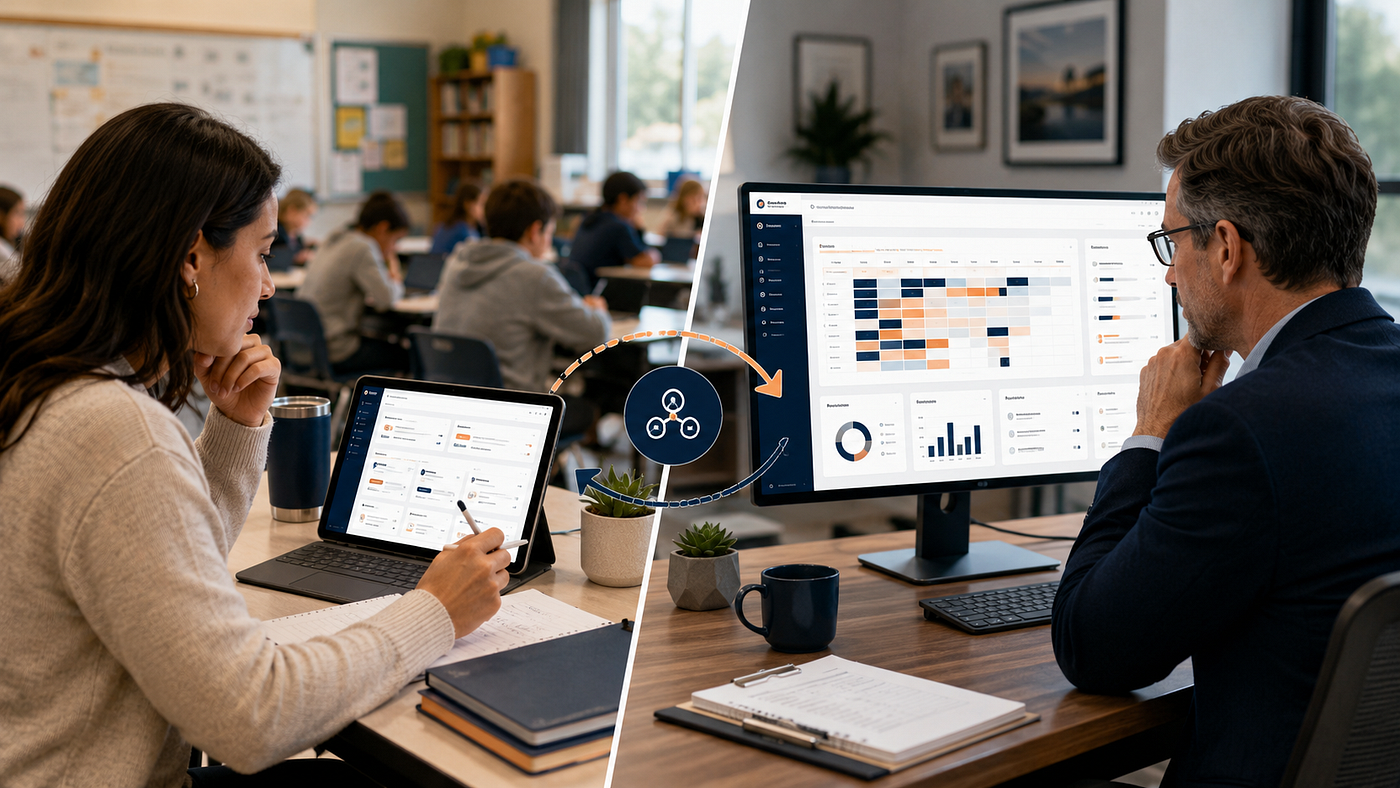
Over the past decade, schools have adopted digital platforms to support teaching and learning. Learning Management Systems (LMS) have become essential tools for sharing resources, managing assignments, and communicating with students. While these platforms effectively support learning delivery, they often leave a critical gap in how curriculum is designed, aligned, and improved across an institution.
Many schools still manage curriculum planning through scattered documents, spreadsheets, or individual teacher files. As expectations around accountability, standards alignment, and instructional consistency increase, US K-12 Schools are recognizing the need for a more structured approach to understanding their curriculum. This shift is leading educators toward what many now describe as curriculum intelligence.
The Role of LMS in Schools
An LMS plays an important role in supporting daily classroom activities. Teachers use it to distribute course materials, collect assignments, and track student progress. These platforms help streamline instructional workflows and improve access to learning resources.
However, LMS platforms focus primarily on what happens during instruction, rather than how instruction is designed in the first place. They manage course delivery effectively but rarely provide visibility into how curriculum develops across grade levels, departments, or academic years.
For example, a teacher may upload lesson resources and assignments into an LMS, but the system typically does not show how those lessons connect to broader learning objectives or institutional goals. School leaders often struggle to see whether curriculum standards are consistently addressed or whether certain topics are unintentionally repeated or omitted across grades.
“Research from Educause indicates that more than 80% of instructors primarily use LMS platforms for distributing content and collecting assignments, reinforcing their role as operational tools for classroom delivery.”
Why Schools Need Curriculum Intelligence
Educational institutions are under growing pressure to demonstrate clear alignment between teaching activities, learning standards, and student outcomes. Accreditation bodies and school leadership teams increasingly expect transparency into how curriculum is planned and implemented.
Without structured oversight, schools commonly face challenges such as fragmented planning processes, limited collaboration between departments, and the loss of institutional knowledge when teachers transition roles. Instructional insights built over years of teaching can easily disappear if they are not captured systematically.
This is where **curriculum management software** becomes important. Instead of treating curriculum as a collection of isolated documents, schools can begin to organize instructional planning within a shared, structured system.
“Studies from the RAND Corporation show that nearly 60% of teachers adjust curriculum materials because they perceive gaps or misalignment with academic standards — highlighting the challenge of maintaining consistent instructional planning across schools.”
Bridging Instructional Design and Learning Delivery
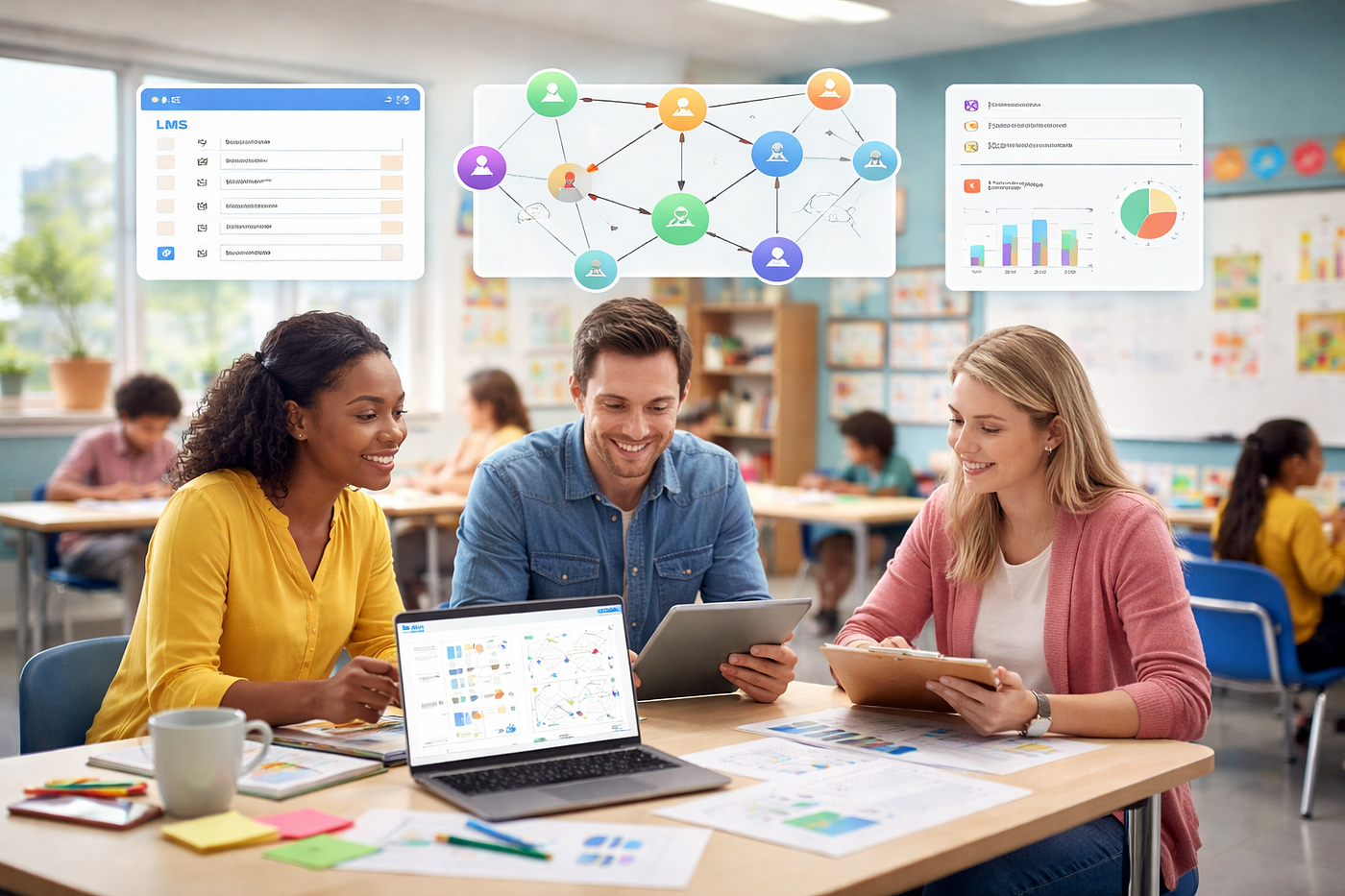
Rather than replacing LMS platforms, curriculum-focused systems complement them. Each platform supports a different part of the educational ecosystem.
“According to International Society for Technology in Education, schools increasingly prioritize integrated digital ecosystems that connect curriculum planning, assessment, and learning platforms.”
An LMS enables teachers to manage daily classroom operations, while curriculum platforms help educators design, align, and improve instructional strategies across the institution. When these systems work together, schools gain a more complete view of the teaching and learning process.
By documenting learning objectives, assessments, and instructional activities within a connected framework, educators can better understand how lessons progress from one grade level to the next. Leadership teams also gain greater visibility into how curriculum supports broader academic goals.
The Growing Importance of Curriculum Mapping
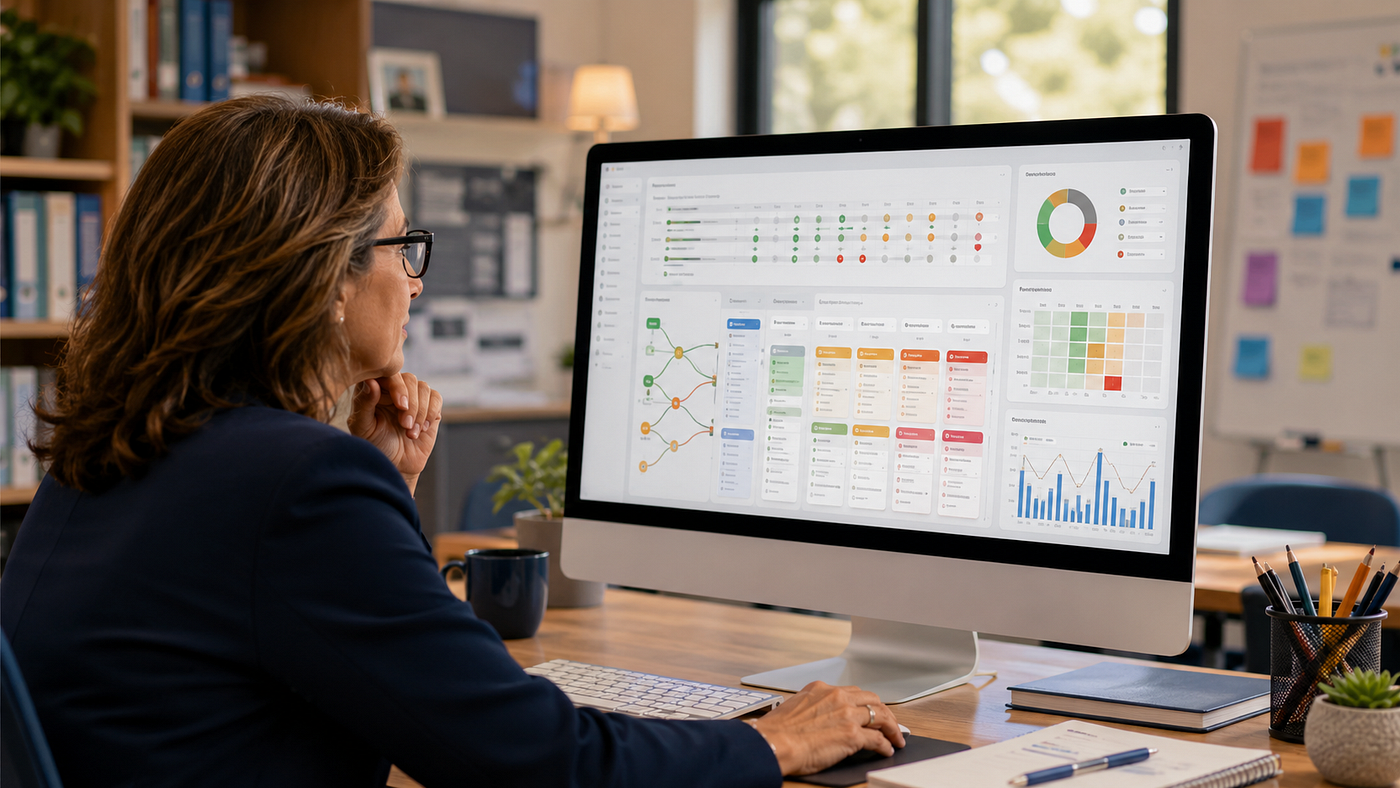
One of the key practices supporting curriculum intelligence is curriculum mapping. Mapping allows educators to visualize how lessons, standards, and assessments connect throughout the learning journey.
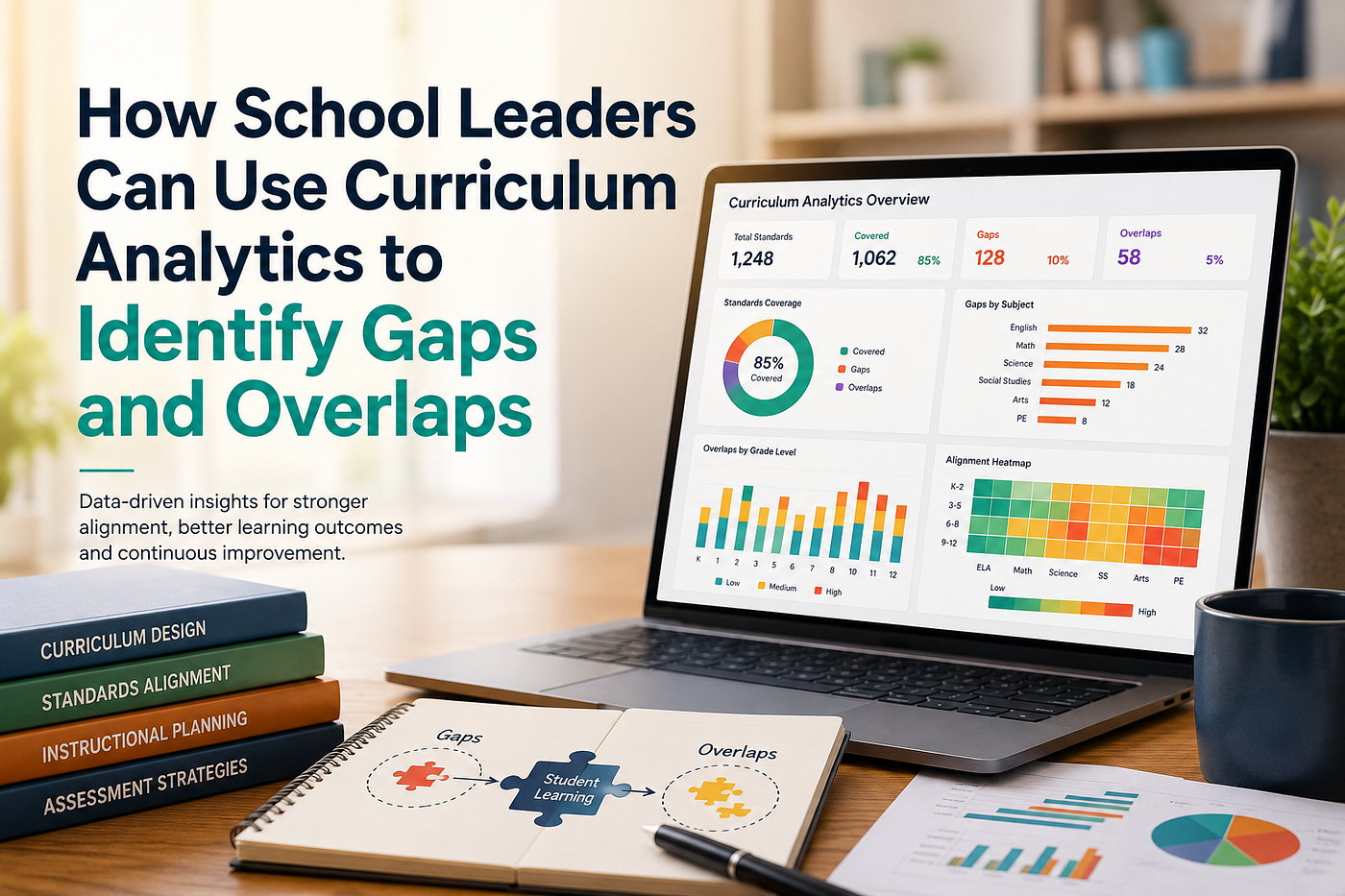
Through structured mapping, schools can identify gaps in curriculum coverage, reduce unnecessary repetition, and strengthen alignment between learning goals and teaching activities. It also encourages collaboration among teachers by creating a shared view of how different subjects contribute to student development.
For administrators, curriculum mapping provides valuable insight into instructional consistency across departments and grade levels, supporting better strategic planning.
Building a Living Curriculum
Forward-thinking US K-12 Schools are moving toward the concept of a living curriculum — a dynamic system that evolves as teachers refine their instructional practices. Instead of static curriculum documents stored in separate folders, curriculum knowledge becomes part of a collaborative and continuously updated environment.
Platforms such as **Edusfere** help schools organize curriculum planning, mapping, and collaboration in a structured way. Educators can document lessons, align learning objectives, and track how instructional strategies develop over time. This approach preserves institutional knowledge and strengthens collaboration across teaching teams.
As digital learning continues to evolve, the ability to connect learning delivery with thoughtful instructional design will become increasingly important. By bridging the gap between LMS platforms and structured curriculum planning, schools can create a more coherent and sustainable approach to teaching and learning.
메타데이터
- post_id
- 4c26b19cf7ef
- slug
- from-lms-to-curriculum-intelligence-bridging-the-gap-between-learning-delivery-and-instructional-4c26b19cf7ef
- url
- https://medium.com/@edusfere/from-lms-to-curriculum-intelligence-bridging-the-gap-between-learning-delivery-and-instructional-4c26b19cf7ef
- canonical_url
- https://medium.com/@edusfere/from-lms-to-curriculum-intelligence-bridging-the-gap-between-learning-delivery-and-instructional-4c26b19cf7ef
- author_url
- https://medium.com/@edusfere
- status
- ok
- fetched_at
- 2026-06-20 20:29:01