Copper Flotation Reagents: A Crucial Component in Mineral Processing
In the field of mineral processing, flotation is one of the most important methods for copper ore beneficiation due to its efficiency and…
Copper Flotation Reagents: A Crucial Component in Mineral Processing
In the field of mineral processing, flotation is one of the most important methods for ***copper ore beneficiation*** due to its efficiency and cost-effectiveness. The core of the flotation process lies in the ability to adjust the hydrophobicity and hydrophilicity of minerals through reagents, thereby achieving mineral separation. Among the various flotation processes, the selection and use of copper flotation reagents directly impact copper recovery, concentrate quality, as well as the overall efficiency and sustainability of the process. Therefore, understanding the types, functions, and optimization of copper flotation reagents is crucial for improving flotation efficiency and reducing production costs.
This article will provide a detailed overview of the basic types and mechanisms of copper flotation reagents, analyze how they influence copper recovery and concentrate quality, and discuss how to optimize reagent usage based on the specific ore characteristics to improve the overall efficiency of the flotation process.

1. Definition and Function of Copper Flotation Reagents
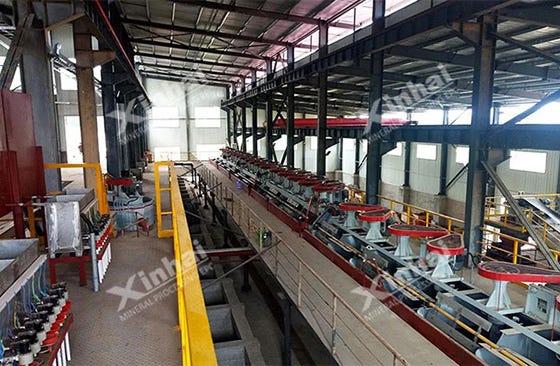
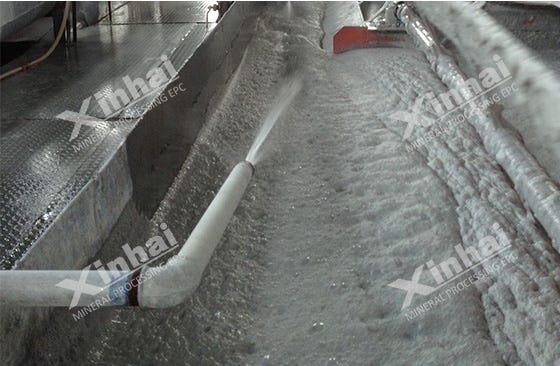
Copper flotation reagents refer to chemical substances used in the copper ore flotation process that alter the surface properties of minerals, promoting mineral separation, enhancing copper recovery, and improving concentrate quality. The mechanism of flotation reagents involves interactions between reagents and the mineral surface, changing the mineral’s hydrophobic or hydrophilic properties, which in turn affects the flotation behavior of the minerals. Specifically, reagents change the surface properties of copper minerals, enabling them to attach to air bubbles and float to the surface of the flotation tank, while undesired minerals sink, achieving separation.
Copper flotation reagents are typically classified into four main categories: collectors, frothers, depressants, and activators. These reagents serve different functions during the flotation process, working together to maximize copper recovery and concentrate quality.
2. Main Types and Functions of Copper Flotation Reagents
1. Collectors
Collectors are one of the most critical reagents in the flotation process. Their primary role is to alter the surface properties of copper minerals, making them hydrophobic, so that they can attach to air bubbles and float to the surface of the flotation tank. In the flotation of copper ores, collectors interact with mineral surfaces to form chemical bonds that make the mineral surfaces exhibit oleophilic properties. This enables the copper minerals to attach to the foam and float to the surface, achieving separation.
Common copper ore collectors include xanthates (such as potassium ethyl xanthate) and dithiophosphates (such as sodium diethyl dithiophosphate). Xanthates are favored for their strong selectivity toward copper minerals, while dithiophosphates are often used for flotation of low-grade ores to improve recovery. The selection of the appropriate collector depends on the ore’s mineral composition and the specific flotation requirements.
2. Frothers
Frothers are used to control the stability and volume of the flotation foam. The quality of foam directly affects flotation efficiency. Excessive or insufficient foam can lead to poor flotation performance and reduced copper recovery. Frothers work by stabilizing the foam, ensuring that copper minerals can effectively attach to the bubbles and float to the surface.
Common frothers include alcohol compounds (such as alcohols and polyethers) and organic surfactants. These frothers help to maintain an optimal foam structure, thus improving flotation conditions and ensuring that copper minerals attach to bubbles under the right circumstances.
3. Depressants
Depressants are used to reduce or eliminate the flotation capacity of unwanted minerals, thereby improving the selectivity of the flotation process. During copper flotation, minerals with similar properties to copper (such as pyrite, calcite, etc.) may compete with copper minerals for flotation, thus affecting recovery. Depressants work by altering the surface properties of these minerals, preventing them from attaching to the bubbles and floating.
Common depressants include cyanides, corn starch, and sodium bisulfite. The use of depressants must be handled with care, as excessive amounts can not only suppress copper flotation but also have a negative environmental impact. Therefore, the dosage and timing of depressant application must be precisely controlled based on the specific ore characteristics.
4. Activators
Activators are used to enhance the responsiveness of certain minerals to collectors, especially when some minerals struggle to interact with collectors. In copper flotation, minerals like pyrite may have difficulty bonding with collectors due to surface characteristics. In such cases, activators can improve the chemical state of these minerals’ surfaces, allowing for better interaction with collectors and thus facilitating flotation.
Common activators in copper flotation include zinc salts and iron salts, which improve the interaction between collectors and difficult-to-flotate minerals like pyrite, thus enhancing flotation performance.

3. The Role of Copper Flotation Reagents in Improving Copper Recovery and Concentrate Quality
1. Improving Copper Recovery
Copper flotation reagents significantly improve copper recovery by enhancing mineral separation. With the action of collectors, copper minerals become hydrophobic and can attach to air bubbles, floating to the surface of the flotation tank. Meanwhile, depressants and activators ensure that only copper minerals are effectively recovered, while interfering minerals are suppressed or activated as needed. The proper use of reagents ensures that the flotation process runs efficiently and stably, minimizing copper loss and maximizing recovery.
2. Improving Concentrate Quality
In addition to improving copper recovery, the correct use of flotation reagents also ensures the quality of the copper concentrate. By properly controlling the types and dosages of reagents, it is possible to increase the grade of the copper concentrate and reduce the content of gangue minerals. For instance, collectors selectively capture copper minerals, while depressants suppress other minerals, ensuring the high grade of the final copper concentrate.
3. Enhancing Selectivity in the Flotation Process
Flotation reagents can adjust the selectivity of the flotation process based on the characteristics of different minerals. By using the appropriate collectors, frothers, and depressants, the differences between minerals can be amplified, allowing for precise separation of copper minerals from other unwanted minerals. This selectivity not only improves copper recovery but also reduces interference from other minerals during flotation, improving production efficiency and reducing costs.
4. Optimization and Application of Reagents
In practical applications, the selection and usage of copper flotation reagents must be optimized based on the mineral composition of the ore, the requirements of the flotation process, and environmental considerations. The dosage and timing of each reagent’s application directly influence flotation performance. Therefore, mining companies often conduct optimization studies based on the specific ore to maximize copper recovery and improve concentrate quality.
As environmental standards become more stringent, an increasing number of mining companies are paying attention to the environmental impact of flotation reagents. Traditional flotation reagents often have strong toxicity and poor biodegradability, while new reagents with strong biodegradability and low toxicity are gaining attention. Environmentally friendly reagents not only reduce the environmental burden of flotation processes but also enhance the social responsibility and sustainability of mining operations.
Copper flotation reagents play a crucial role in copper ore beneficiation, and their proper usage can significantly improve copper recovery, concentrate quality, and flotation efficiency. As technology advances and environmental requirements tighten, the types and applications of copper flotation reagents continue to evolve, with the potential for more efficient and environmentally friendly flotation processes in the future. When selecting and using reagents, mining companies must consider ore characteristics, process requirements, and environmental standards to optimize reagent usage and maximize copper ore utilization and economic benefits.
메타데이터
- post_id
- 4c277b0ea6d4
- slug
- copper-flotation-reagents-a-crucial-component-in-mineral-processing-4c277b0ea6d4
- url
- https://medium.com/@mineralprocessing/copper-flotation-reagents-a-crucial-component-in-mineral-processing-4c277b0ea6d4
- canonical_url
- https://medium.com/@mineralprocessing/copper-flotation-reagents-a-crucial-component-in-mineral-processing-4c277b0ea6d4
- author_url
- https://medium.com/@mineralprocessing
- status
- ok
- fetched_at
- 2026-07-15 03:20:38





