How Bakery Ingredients Affect Food Safety and Allergens
Walk into a bakery and you’ll smell butter,flour …
Allergens are harder to avoid than you expect
Walk into any bakery and you’ll smell butter, flour, sugar, maybe cardamom or vanilla. What you won’t smell is risk, but for millions of people, bakery products are one of the most common sources of dangerous allergic reactions.
An allergen is simply a substance that triggers the immune system to overreact, mistaking a harmless food protein for a threat. For most people, eating a slice of bread or a slice of cake is unremarkable. For someone with a food allergy, the wrong ingredient or even a trace of it can trigger anything to a life threatening reaction called anaphylaxis. For me as a pre med student allergens were just a part of syllabus until I realised how dangerous it is when I saw one of my friends actually have it.
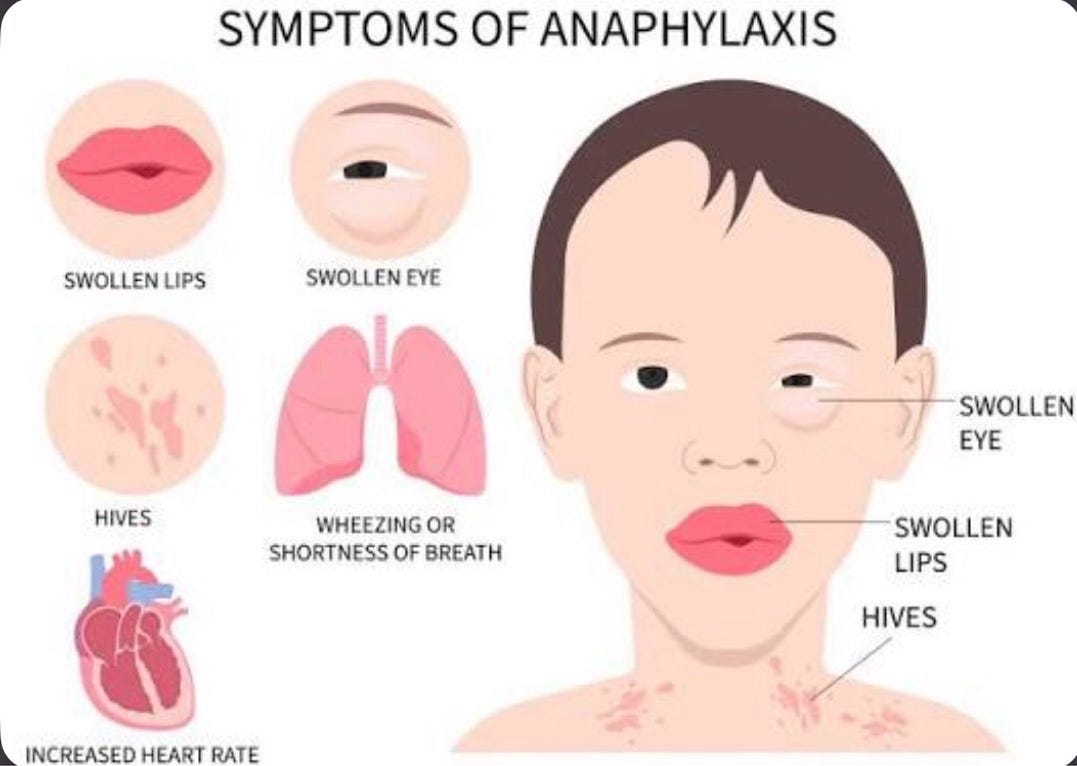
Common bakery allergens
Gluten
Found in wheat, barley, and rye, gluten is the protein responsible for the stretch and structure in bread dough. For people with celiac disease, gluten triggers an autoimmune reaction that damages the small intestine. For others with non-celiac gluten sensitivity, it causes digestive discomfort without the same intestinal damage. Because flour is the backbone of almost every bakery product,so your favourite croissant might have it too, no doubt gluten is essentially unavoidable in a traditional bakery unless it is specifically controlled such as by replacing wheat, barley, rye, and triticale flour with certified gluten free alternatives which includes rice flour, almond flour, sorghum flour, buckwheat flour, tapioca starch, or certified GF oat flour, and by using a binding agent like xanthan gum or guar gum to replace the structural role gluten normally plays.

We need to check every secondary ingredient too malt extract, soy sauce, modified food starch, and some flavorings can hide gluten.
Milk
Butter, cream, milk powder, and whey appear in nearly every baked good, from cakes to croissants to glazes. Milk allergy is one of the most common food allergies in young children, and unlike lactose intolerance, it involves the immune system reacting to milk proteins, not just difficulty digesting lactose sugar.Milk allergy avoidance in a bakery is trickier than gluten in some ways, because dairy shows up under names that don’t sound like “milk” at all, and trace amounts can trigger reactions.
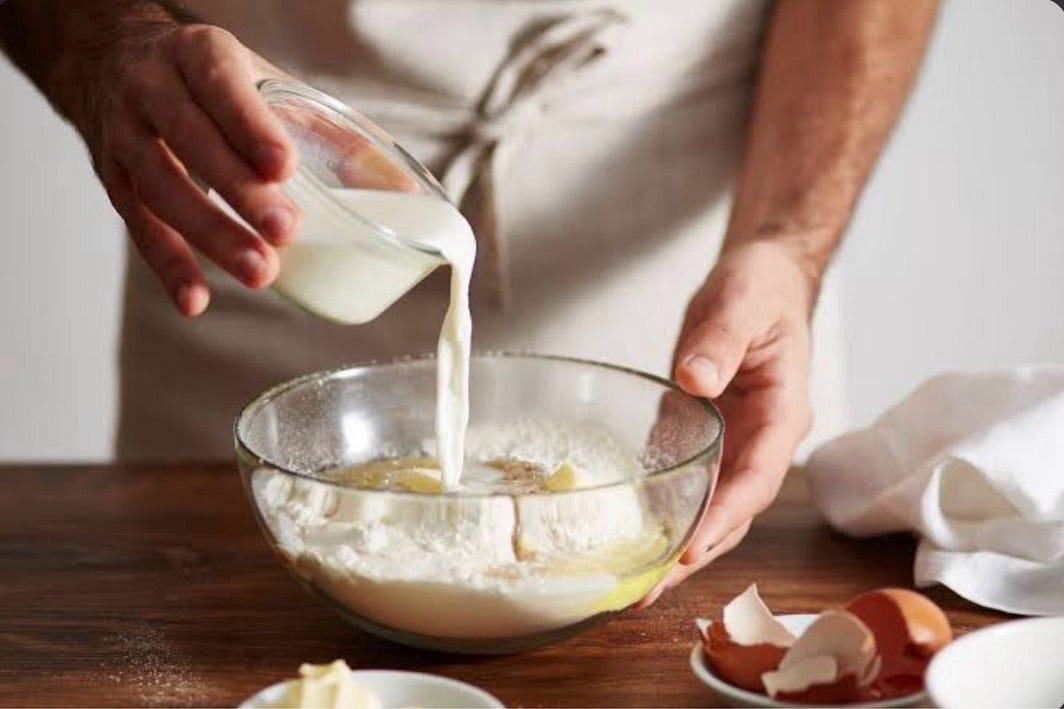
Replace dairy milk with plant based alternatives: oat milk, almond milk, soy milk, coconut milk but nut based milks introduce a new allergen risk, so this needs framing for nut-allergic customers too.Replace butter with dairy free margarine, coconut oil, or plant based shortening .Replace cream with coconut cream or cashew cream.Egg wash glazes sometimes get brushed with milk for shine and needs an alternate glaze egg only, or oil based
Hidden dairy which needs proper attention is Casein, caseinate, whey, lactose, lactalbumin, ghee. Non-dairy creamers can legally contain casein in the US.
Eggs
Eggs bind ingredients, add structure, and create the glossy finish on pastries through egg wash. Egg allergy is especially common in children, and eggs hide in places people don’t expect meringues, some breads, pasta-based bakery items, and glazes.
You can’t avoid your own egg allergy from inside a bakery’s kitchen, the only real avoidance is not eating eggs or anything cross contaminated with them but it can be avoided by replacing eggs with a flax egg (ground flaxseed mixed with water) or aquafaba, the liquid from chickpeas, which whips up similarly to egg whites and works well in meringues. Commercial egg replacers and mashed banana or applesauce can also bind cakes and muffins, though each changes flavor or texture slightly. Egg wash on bread and pastry crusts needs an alternate glaze, oil based or plant milk based, since this is one of the most overlooked sources of hidden egg exposure.
Brushes and tools used for egg wash should be cleaned separately, not just rinsed, since dried egg residue can transfer to the next batch.
Nuts
Almonds, walnuts, pistachios, and hazelnuts show up in everything from marzipan to nut flours to garnishes. Tree nut and peanut allergies are among the most severe, frequently causing anaphylaxis, and even small amounts of cross contact can be dangerous for highly sensitive individuals.
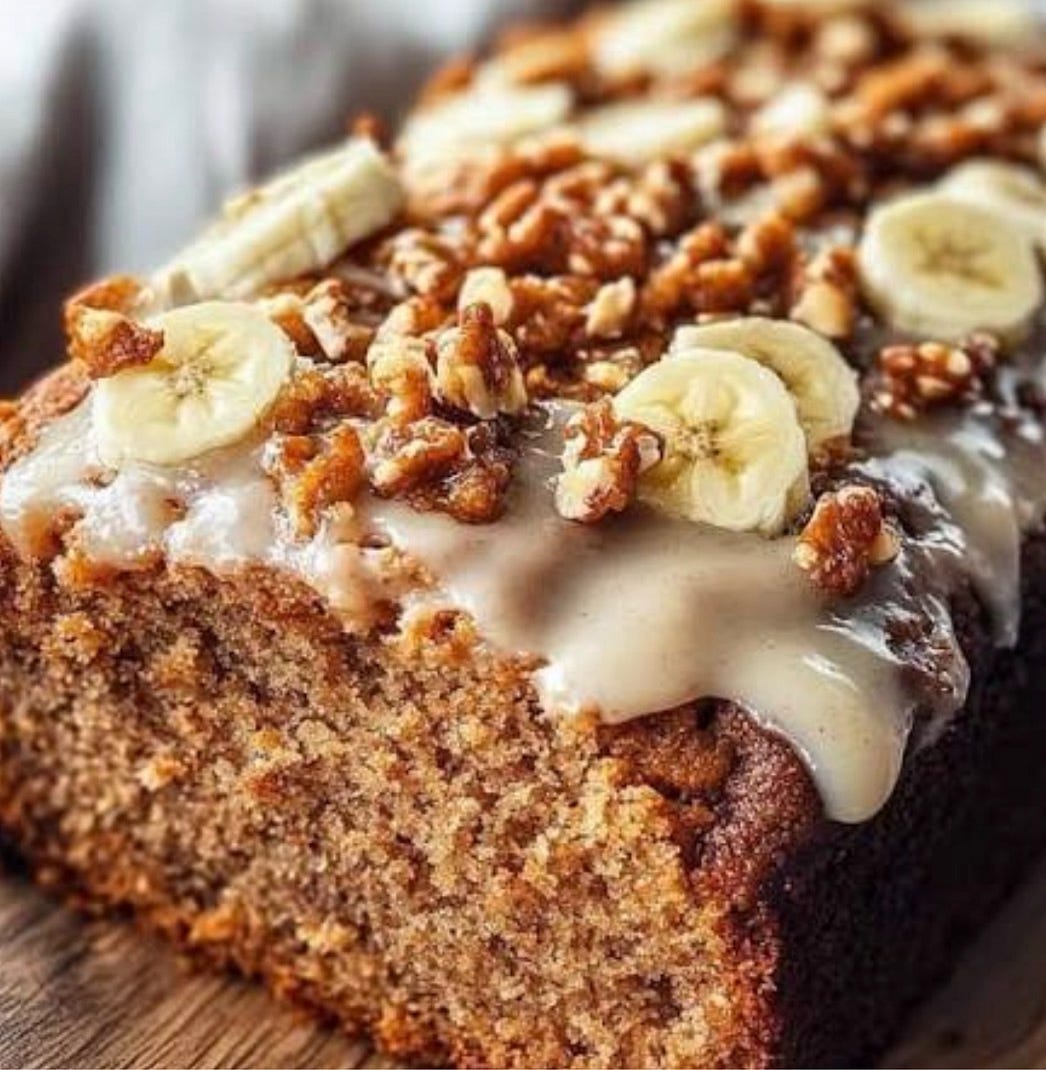
Replace nut flours like almond flour with sunflower seed flour, pumpkin seed flour, oat flour, or coconut flour, depending on the texture needed. Seed butters such as sunflower seed butter can stand in for nut butters in fillings and frostings. Marzipan, frangipane, and nut based fillings need a seed based or oat based alternative, and almond extract should be checked carefully since it can still contain trace nut protein even when artificially flavored. Nut dust is airborne, so a bakery using almond flour nearby can contaminate a nut free product without direct contact, making shared storage bins, scoops, and prep surfaces the highest risk point for this allergen specifically.
Cross contamination risk
Even when a product doesn’t contain an allergen as an ingredient, it can still become contaminated during preparation. A bakery that makes both regular and gluten free bread on the same counter, with the same rolling pins, or in the same oven, risks transferring flour particles onto a product labeled allergen free.
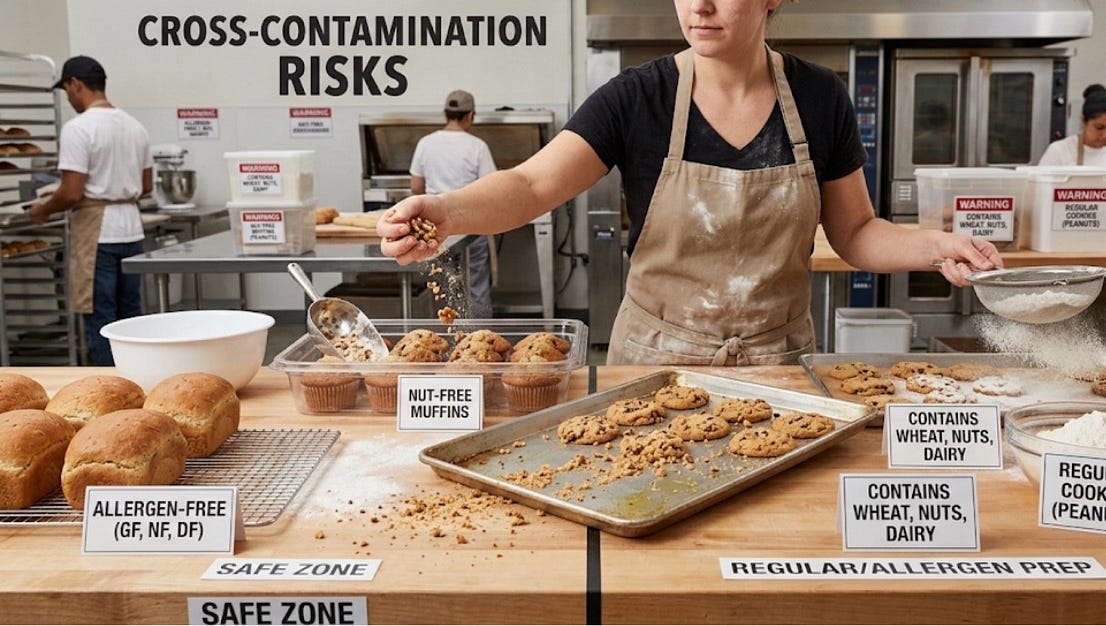
The same applies to nut dust lingering in the air after almond flour is used, or a whisk used for egg wash later touching a vegan product. Cross contamination is invisible, you can’t see, smell, or taste a few milligrams of peanut protein which makes it one of the most dangerous and most preventable risks in a bakery setting.
Why small bakeries should track allergen content?
Many small and home based bakeries assume allergen management is only necessary for large commercial operations. In reality, the risk is identical regardless of size, a customer with a severe nut allergy can react just as badly to a small home bakery’s product as to a supermarket brand. Tracking allergens through a simple allergen matrix, clearly labeling ingredients, and training staff even if staff is just the owner,on cross contact prevention builds customer trust and protects the business from serious liability.

As food delivery apps and online bakery orders grow, customers increasingly expect transparent allergen information before they order and a bakery that can’t answer “does this contain nuts?” confidently,risks losing customers and, more importantly, risks someone’s safety.
Conclusion
Bakery products may look simple, but the ingredients behind them carry real responsibility. Gluten, milk, eggs, and nuts are woven into nearly everything a bakery produces, and even trace cross contamination can have serious consequences for allergic customers. For bakeries,taking allergens seriously isn’t just about compliance it’s about earning the trust of every customer who walks through the door.
Aliza Iqbal is a student and writer exploring the intersection of food, health, and safety.
메타데이터
- post_id
- 4c7dda72e0f3
- slug
- how-bakery-ingredients-affect-food-safety-and-allergens-4c7dda72e0f3
- url
- https://medium.com/@Healthandwounds/how-bakery-ingredients-affect-food-safety-and-allergens-4c7dda72e0f3
- canonical_url
- https://medium.com/@Healthandwounds/how-bakery-ingredients-affect-food-safety-and-allergens-4c7dda72e0f3
- author_url
- https://medium.com/@Healthandwounds
- status
- ok
- fetched_at
- 2026-06-21 07:44:09