Crossing Thresholds: Buying a House for the Child Who’s Almost Ready to Leave, but Not Quite Gone
There are moments in parenting that feel like standing in a doorway — one hand still on the frame, the other reaching forward. Buying a…
Crossing Thresholds: Buying a House for the Child Who’s Almost Ready to Leave, but Not Quite Gone
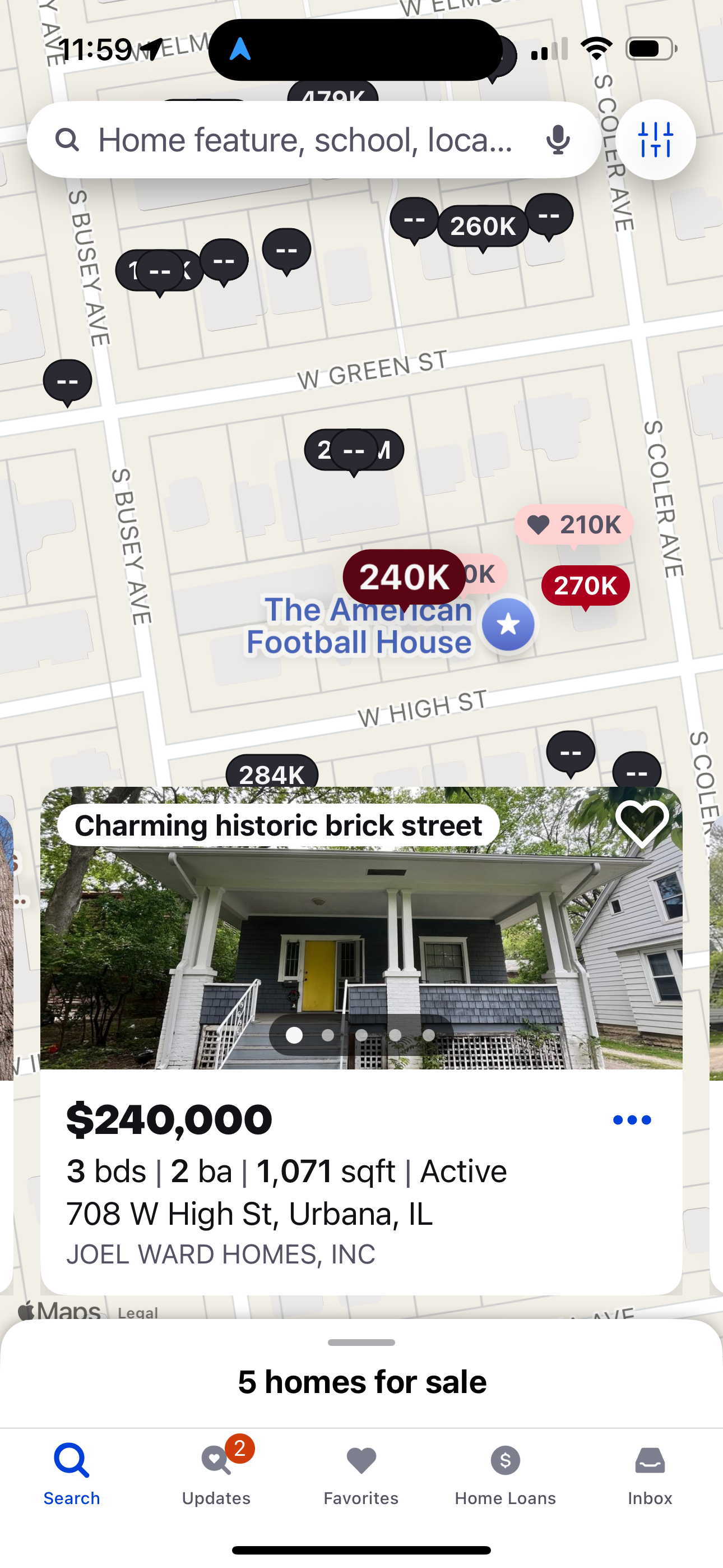
There are moments in parenting that feel like standing in a doorway — one hand still on the frame, the other reaching forward. Buying a house for our neurodivergent, trans daughter to live in during college has been one of those threshold moments. Not dramatic in the cinematic sense, but quietly monumental. The kind of shift you only recognize once you’re already halfway through it.
College is only thirty minutes away. That’s the part that keeps surprising people. “You bought a house… thirty minutes away?” Yes. Because distance isn’t the point. Autonomy is. Safety is. Stability is. And for our daughter — who doesn’t drive, who navigates the world with both brilliance and vulnerability — those things matter more than mileage.
The Search That Became a Saga
We didn’t set out to become amateur house hunters. We thought we’d find something modest, something functional, something that wouldn’t require a full HGTV production team. But the universe had other plans.
The first house slipped through our fingers before we could even make an offer. The second had three offers already, and even when we went $10,000 over asking, we still didn’t get it. The third… well, the third was a horror movie set disguised as a listing. Someone had literally cut a floor joist, and the entire house was beginning to sag into itself like a tired soufflé. I walked through it imagining my child inside and felt my stomach drop through the compromised floor.
And then came the fourth. Lived in by the owner. Worn, but not neglected. In need of work, but not rescue. It also had three offers — but this time, we won. I don’t think I exhaled until the email came through.
Now we’re in the underwriting phase, which feels like being asked to produce proof of every life event since the invention of paper including proof that some houses that somehow got linked to us are not ours. We have excellent credit. We have a stable financial history. The house costs a small fraction of our net worth. And still, we’ve provided documents from the last decade, including everything from retirement paperwork to statements I didn’t even know we still had. It’s a strange feeling — being financially secure but still having to prove your legitimacy over and over again.
Preparing a Child for a Home That’s Close, But Not Home
While the adults swim through paperwork, I’ve been gently nudging — okay, begging — my daughter to start sorting her things. What goes with her? What stays? Do we leave her room here intact, a soft place to land? Or do we begin the slow process of transforming it into something else?
She’ll have an entire house thirty miles away. A whole space to shape into her own. But will she stay here often? Will she come home every weekend? Will she rarely come home at all? I don’t know. She doesn’t know. And that’s part of the threshold too — learning to let her decide.
The fact that she doesn’t drive adds another layer. We had to file paperwork stating she’d be living at home her freshman year, because at the time we submitted it, we didn’t yet have a house near campus. We would have driven her back and forth. Now, technically, she’ll be “living at home” in a house we own — but not the one she grew up in. Bureaucracy is a strange creature.
The Math of It All: House vs. Dorm
People ask whether buying a house is “worth it.” So here’s the comparison we made, laid out plainly.
Dorm at University of Illinois (single room + meal plan):
- Single rooms are often necessary for trans students for safety and comfort.
- Add in severe food allergies — sunflower allergies are no joke — and suddenly the standard dining plan becomes a minefield.
- Total cost: typically $15,000–$20,000 per year, depending on the hall and meal plan.
- Multiply by four years: $60,000–$80,000, all of it sunk cost.
Buying a house (~$100,000):
- Mortgage + taxes + insurance + utilities: significantly less per year than dorm living — or at least close to the same especially when adding food.
- The house is an asset.
- We can sell it later, likely at a profit.
- Or rent it — to another student, or even rent out a spare room while she’s living there.
- It becomes part of her safety net, part of her future, part of ours.
Financially, the house wins. But the real victory is emotional. It gives her space. It gives her independence. It gives her a place where she can be fully herself without navigating the complexities of communal living, shared bathrooms, or dining halls that can’t guarantee safety from allergens.
Crossing the Threshold Together
We’re not just buying a house. We’re building a bridge — between childhood and adulthood, between dependence and autonomy, between the life she’s had and the life she’s stepping into.
It’s only thirty minutes away. But it’s also a world apart.
And maybe that’s exactly what she needs. Maybe it’s exactly what we need too.
메타데이터
- post_id
- 4cc3dff73368
- slug
- crossing-thresholds-buying-a-house-for-the-child-whos-almost-ready-to-leave-but-not-quite-gone-4cc3dff73368
- url
- https://medium.com/crossing-threshholds/crossing-thresholds-buying-a-house-for-the-child-whos-almost-ready-to-leave-but-not-quite-gone-4cc3dff73368
- canonical_url
- https://medium.com/crossing-threshholds/crossing-thresholds-buying-a-house-for-the-child-whos-almost-ready-to-leave-but-not-quite-gone-4cc3dff73368
- author_url
- https://medium.com/@k-richter
- status
- ok
- fetched_at
- 2026-07-09 15:12:33