Browser-Based VR Could Become Bigger Than VR App Stores
One of the biggest mistakes the VR industry made early on was trying to copy the mobile app ecosystem. Most VR platforms were designed…
Browser-Based VR Could Become Bigger Than VR App Stores
One of the biggest mistakes the VR industry made early on was trying to copy the mobile app ecosystem. Most VR platforms were designed around closed app stores where users had to download heavy applications, create accounts, install updates, and own expensive hardware just to experience immersive content. While this worked for gaming communities, it created massive friction for mainstream adoption.
Now the industry is quietly shifting toward something much more scalable: browser-based VR.
The reason is simple. History already showed us what happens when experiences become web-accessible. Websites eventually became far larger and more scalable than desktop software because they removed friction. Users could instantly access content through a simple link without needing installations or specialized systems. Browser-based VR could follow the exact same path.
Instead of downloading large VR applications, users can enter immersive experiences directly from a browser on devices like Meta Quest, smartphones, laptops, tablets, or future AI wearables. This dramatically lowers the barrier to entry for immersive technology. A virtual showroom, cinematic VR experience, educational simulation, or interactive 360° environment can now be launched almost instantly through a web link.
This shift is becoming even more important as companies like Meta move toward browser-accessible immersive ecosystems instead of purely app-driven VR platforms. Meta’s increasing focus on WebXR, mixed reality browsers, and wearable computing suggests the future may not revolve around isolated headset apps alone. Instead, immersive experiences could become part of the broader internet itself.
That changes everything.
For creators and businesses, browser-based VR is far more scalable than traditional VR app ecosystems. A company does not need users to install software before experiencing immersive content. Educational institutions can launch virtual classrooms through a browser. Brands can create virtual showrooms accessible globally through links. Production houses can distribute immersive storytelling experiences without depending entirely on app store approvals or platform restrictions.
This also aligns with how younger audiences already consume digital experiences. Users increasingly expect instant access. They do not want complicated installations or ecosystem lock-ins. The easier immersive experiences become to access, the faster adoption will grow.
Another major advantage is cross-device compatibility. Browser-based immersive experiences can evolve across:
- VR headsets
- AR glasses
- smartphones
- desktops
- mixed reality devices
- AI wearables
This flexibility may ultimately make the immersive web more powerful than standalone VR app stores.
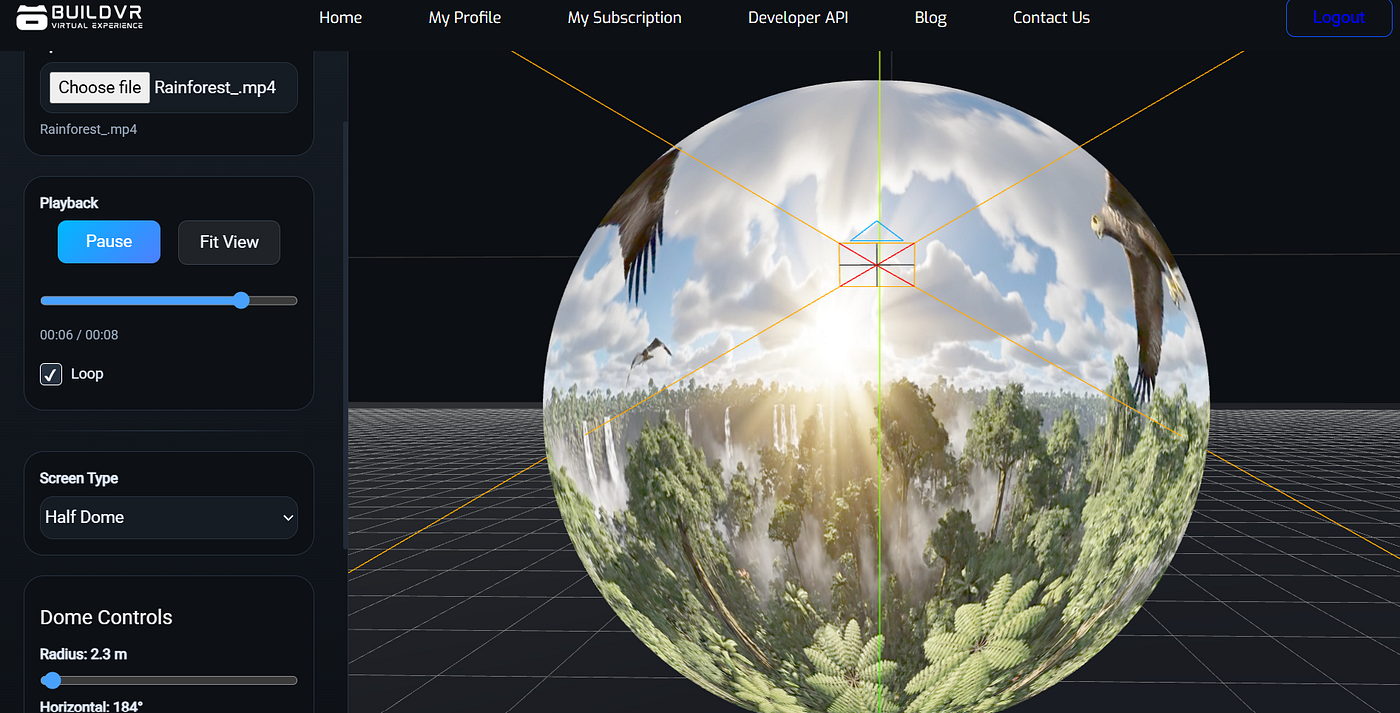
Platforms like BuildVR are already moving in this direction by focusing on browser-based immersive storytelling, virtual showrooms, and accessible VR experiences that work across modern devices. Instead of treating VR as a closed ecosystem, the idea is to make immersive experiences behave more like websites — instantly accessible, shareable, and scalable.
The interesting part is that this may not just change VR. It could reshape the internet itself.
The future web may not only be something we scroll through. It may become something we step inside.
메타데이터
- post_id
- 4cd0f5e0962f
- slug
- browser-based-vr-could-become-bigger-than-vr-app-stores-4cd0f5e0962f
- url
- https://medium.com/@buildvr.ai/browser-based-vr-could-become-bigger-than-vr-app-stores-4cd0f5e0962f
- canonical_url
- https://medium.com/@buildvr.ai/browser-based-vr-could-become-bigger-than-vr-app-stores-4cd0f5e0962f
- author_url
- https://medium.com/@buildvr.ai
- status
- ok
- fetched_at
- 2026-06-09 15:37:30