Weather, Food, and Culture Shock: The Real First Year as an International Nurse in America
For many international nurses, moving to the United States is the fulfillment of a long-held dream. The opportunity to earn a competitive…
Weather, Food, and Culture Shock: The Real First Year as an International Nurse in America

For many international nurses, moving to the United States is the fulfillment of a long-held dream. The opportunity to earn a competitive salary, gain international healthcare experience, and build a better future is exciting. However, beyond the licensing exams, immigration paperwork, and job placement process lies another challenge that many nurses don’t fully anticipate — the adjustment to everyday life in America.
For nurses from Turkey and Malaysia, the first year in the United States often brings unexpected experiences related to weather, food, culture, communication styles, and daily living. While these adjustments can initially feel overwhelming, most international nurses successfully adapt and eventually thrive.
This guide explores the realities of the first year in America and offers practical advice for navigating culture shock while building a successful nursing career.
Understanding Culture Shock
Culture shock is a normal psychological response to living in a new country.
It often occurs when familiar routines, customs, language patterns, and social expectations suddenly change.
Many international nurses experience several phases:
The Excitement Phase
Everything feels new and exciting.
Common reactions include:
- Enthusiasm about the new environment
- Curiosity about American culture
- Motivation to explore and learn
The Adjustment Phase
Challenges begin to emerge.
Nurses may experience:
- Homesickness
- Frustration
- Confusion
- Fatigue
The Adaptation Phase
Over time, routines become familiar and confidence grows.
Most nurses gradually feel more comfortable both at work and in their communities.
Adapting to America’s Diverse Weather
One of the biggest surprises for many international nurses is the variety of climates across the United States.
Winter Can Be a Major Adjustment
Many regions experience:
- Snowfall
- Ice storms
- Freezing temperatures
- Short daylight hours
For nurses from warmer climates, winter weather can be particularly challenging.
Preparation may include:
- Winter coats
- Thermal clothing
- Snow boots
- Gloves and hats
Seasonal Changes
Unlike many tropical regions, much of the United States experiences four distinct seasons:
- Spring
- Summer
- Fall
- Winter
Many international nurses enjoy experiencing seasonal changes for the first time.
Extreme Weather Events
Depending on location, nurses may encounter:
- Hurricanes
- Tornadoes
- Heavy snowstorms
- Heat waves
Learning local weather safety procedures is important for personal preparedness.
Food Adjustments: More Than Just Different Meals
Food is often one of the most emotional aspects of relocation.
Many Turkish and Malaysian nurses initially miss:
- Traditional family recipes
- Familiar spices
- Street food favorites
- Cultural holiday meals
Fortunately, America’s multicultural communities make it easier to find international ingredients than many newcomers expect.
Discovering International Grocery Stores
Major U.S. cities often have:
- Turkish markets
- Asian supermarkets
- International grocery stores
- Halal food suppliers
These stores help nurses maintain cultural traditions and enjoy familiar meals from home.
Learning American Eating Habits
Some common differences include:
Larger Portion Sizes
Restaurant portions are often larger than expected.
Fast-Paced Dining
Busy lifestyles sometimes encourage convenience foods and takeout meals.
Diverse Food Choices
The U.S. offers cuisine from virtually every region of the world.
Many nurses enjoy exploring new foods while continuing to cook traditional meals at home.
Workplace Culture in American Hospitals
Professional culture in U.S. healthcare settings may differ from what nurses experienced in their home countries.
Team-Based Care
Hospitals emphasize collaboration among:
- Nurses
- Physicians
- Therapists
- Pharmacists
- Support staff
Open Communication
Staff members are encouraged to:
- Ask questions
- Share concerns
- Participate in discussions
Many international nurses initially find this level of openness refreshing.
Patient-Centered Care
Patients are actively involved in healthcare decisions.
Nurses play a significant role in:
- Patient education
- Communication
- Advocacy
This approach often becomes one of the most rewarding aspects of working in American healthcare.
Everyday Cultural Differences
Beyond the workplace, international nurses encounter many social differences.
Personal Independence
American culture generally values independence and self-sufficiency.
Time Management
Punctuality is highly valued in both professional and personal settings.
Small Talk
Casual conversations with strangers are common.
Topics often include:
- Weather
- Sports
- Weekend plans
- Local events
Although initially unfamiliar, many nurses eventually enjoy these social interactions.
Managing Homesickness During the First Year
Homesickness affects many international healthcare professionals.
Common triggers include:
- Family celebrations
- Cultural holidays
- Special occasions
- Missing familiar surroundings
Strategies that help include:
Staying Connected
Regular communication through:
- Video calls
- Messaging apps
- Social media
Maintaining Traditions
Celebrating cultural holidays and preparing traditional foods can provide comfort.
Building New Friendships
Connecting with coworkers and local communities helps create a sense of belonging.
Financial Adjustments
The first year often includes learning how American financial systems work.
Nurses typically need to understand:
- Banking
- Credit scores
- Taxes
- Health insurance
- Retirement plans
Developing financial literacy early contributes to long-term success.
Transportation and Driving
For many international nurses, driving in America becomes a necessity.
Common adjustments include:
- Obtaining a driver’s license
- Understanding local traffic laws
- Purchasing a vehicle
- Managing insurance costs
Driving often provides greater flexibility and convenience.
Finding Community Support
Many successful nurses emphasize the importance of building a support network.
Helpful communities include:
- International nurse groups
- Cultural associations
- Religious organizations
- Professional nursing associations
Strong support systems make adjustment easier and more enjoyable.
What Most Nurses Learn After One Year
By the end of their first year, many international nurses report:
Increased Confidence
Tasks that once seemed intimidating become routine.
Professional Growth
Experience in the U.S. healthcare system strengthens clinical and communication skills.
Greater Independence
Managing life in a new country builds resilience and self-confidence.
Expanded Opportunities
Many nurses begin planning long-term goals such as:
- Advanced education
- Specialty certifications
- Home ownership
- Family sponsorship
Why the First Year Is Worth the Challenge
Although the adjustment period can be demanding, many Turkish and Malaysian nurses ultimately find that the rewards outweigh the difficulties.
Benefits often include:
- Career advancement
- Higher earning potential
- Professional development
- Cultural experiences
- Long-term financial stability
The challenges of the first year often become valuable learning experiences that contribute to personal and professional growth.
How GlobeMed Resources Supports International Nurses
Moving to America involves much more than securing a nursing position. International nurses must navigate cultural adjustments, housing, transportation, healthcare systems, financial planning, and workplace expectations.
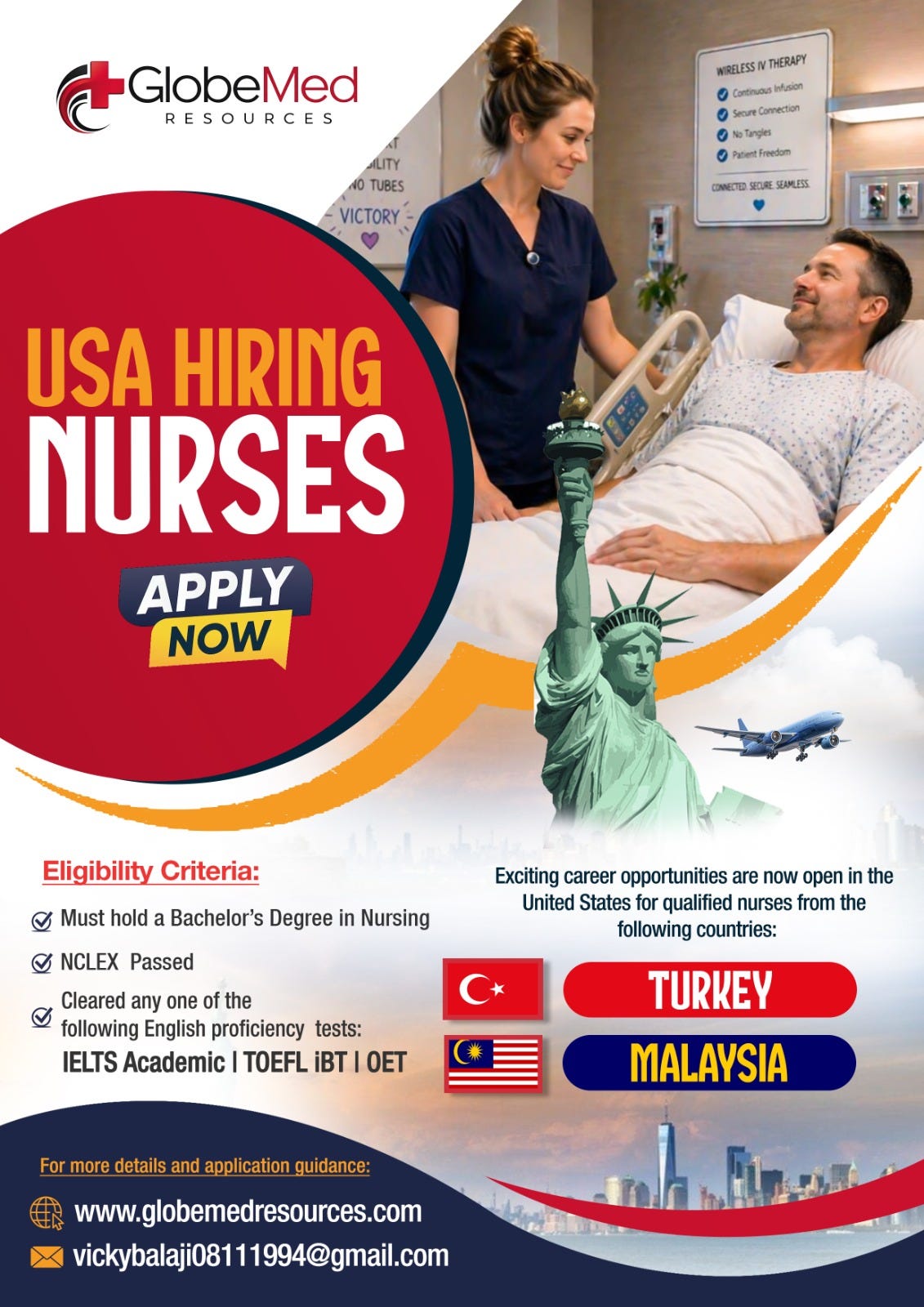
GlobeMed Resources has successfully placed more than 500 nurses in healthcare facilities across the United States. Their experienced team understands the unique challenges international nurses face during relocation and provides comprehensive support throughout the journey.
From licensing assistance and immigration guidance to career placement and relocation support, GlobeMed Resources helps nurses transition confidently into life and work in America.
For Turkish and Malaysian nurses seeking a trusted recruitment partner, GlobeMed Resources continues to be a leading choice for U.S. nursing opportunities.
Final Thoughts
The first year in America is a period of discovery, growth, and adaptation for international nurses. While weather, food, cultural differences, and homesickness can present challenges, these experiences also create opportunities for learning and personal development.
With preparation, patience, and the right support system, Turkish and Malaysian nurses can successfully navigate culture shock and build rewarding careers and fulfilling lives in the United States.
Contact GlobeMed Resources
Website: www.globemedresources.com
Email: vickybalaji08111994@gmail.com
Ready to begin your nursing career in the USA? Contact GlobeMed Resources today and discover how their experienced team can help you achieve your American dream.
메타데이터
- post_id
- 4cec586d2e61
- slug
- weather-food-and-culture-shock-the-real-first-year-as-an-international-nurse-in-america-4cec586d2e61
- url
- https://medium.com/@vickybalaji08111994/weather-food-and-culture-shock-the-real-first-year-as-an-international-nurse-in-america-4cec586d2e61
- canonical_url
- https://medium.com/@vickybalaji08111994/weather-food-and-culture-shock-the-real-first-year-as-an-international-nurse-in-america-4cec586d2e61
- author_url
- https://medium.com/@vickybalaji08111994
- status
- ok
- fetched_at
- 2026-08-24 17:11:38