Winter Health Preparedness in Senior Living Facilities
Winter Health Preparedness in Senior Living Facilities
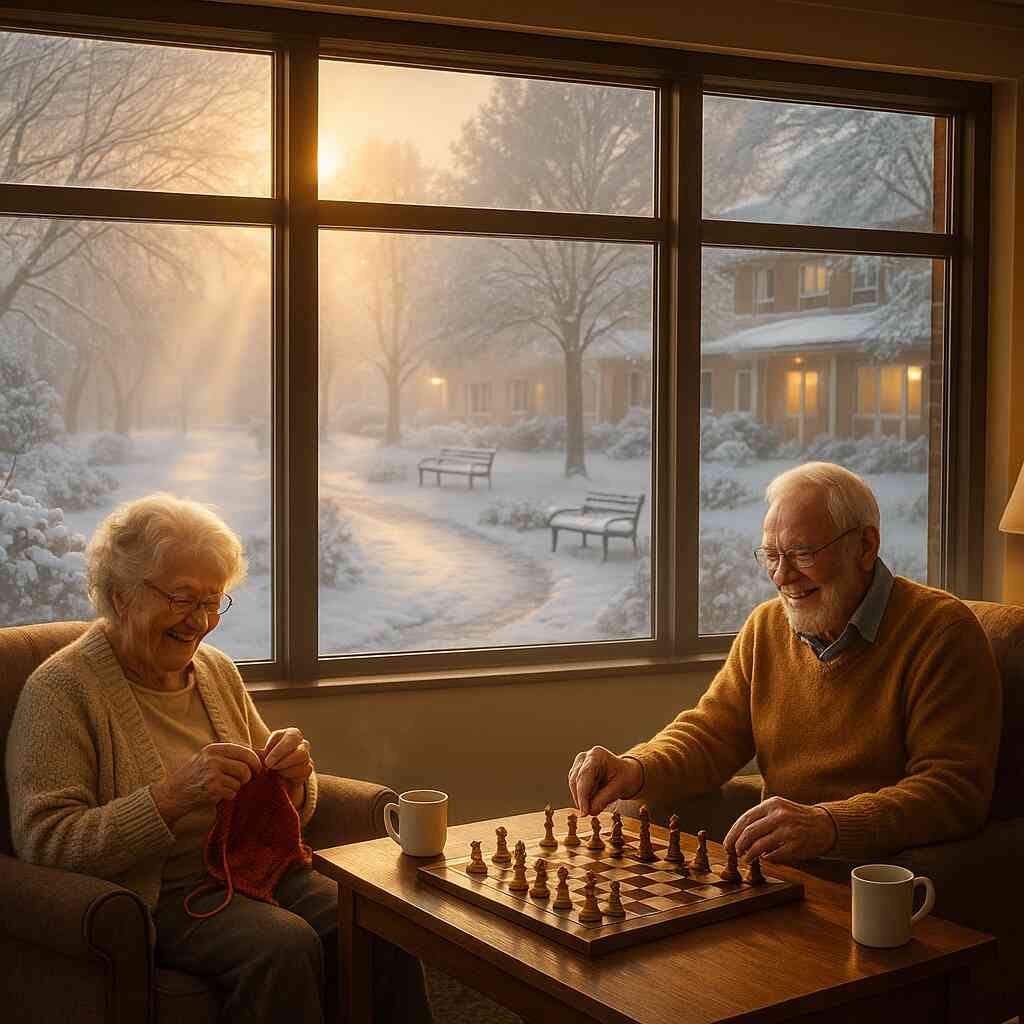
Winter Health Preparedness in Senior Living Facilities
Winter brings a distinctive set of health risks for older adults, and senior living facilities play a central role in managing those risks before they become crises. From flu prevention to fall safety, the strategies these communities use during the colder months are worth understanding — whether you’re a resident, a family member, or someone exploring care options.
Why Winter Is a Critical Season for Senior Health
Cold weather doesn’t just cause discomfort. For seniors, it can trigger or worsen a range of serious health conditions.
Some of the most common winter health concerns for older adults include:
- Hypothermia and frostbite from prolonged exposure to low temperatures
- Worsening of chronic conditions such as arthritis, heart disease, and respiratory illness
- Influenza and respiratory infections, which peak during winter months
- Vitamin D deficiency caused by reduced sunlight exposure
- Increased fall risk from icy or slippery surfaces
Seniors are more vulnerable to these risks because of age-related changes in metabolism, immune response, and physical stability. This is precisely why senior living communities take a structured, proactive approach to winter preparedness rather than reacting as problems arise.
Building a Winter Health Strategy: The Facility Perspective
Well-run senior living communities don’t wait for the first snowfall to start planning. Preparation typically begins weeks before winter sets in, covering multiple areas of resident care simultaneously.
Medical and Staff Readiness
Facilities conduct evaluations to ensure medical staff are trained and equipped to handle winter-specific conditions. This includes updating emergency protocols, reviewing medication supplies, and ensuring on-site staff can recognize early signs of cold-related illness such as hypothermia.
Staff training on fall prevention and emergency response is also refreshed heading into the winter season.
Flu Vaccination Programs
Influenza vaccination is one of the most effective tools available for protecting seniors during winter. Senior living facilities typically coordinate vaccination programs for both residents and staff, ensuring broad community-level protection.
Beyond the vaccine itself, facilities reinforce hygiene practices that reduce transmission:
- Regular handwashing protocols
- Frequent sanitation of shared spaces
- Encouraging residents to avoid crowded environments during peak illness periods
- Providing personal protective supplies when needed
These layered strategies work together to reduce the spread of flu and other respiratory infections throughout the community.
Nutrition and Immune Support During Winter
What residents eat during winter months has a direct impact on their immune function and overall resilience. Senior living facilities pay close attention to meal planning as temperatures drop.
Key Nutritional Priorities
Winter nutrition for seniors typically focuses on:
- Vitamin D and calcium to support bone health when sunlight exposure is limited
- Antioxidant-rich foods like fruits and vegetables to support immune response
- Warm, nutrient-dense meals such as soups and stews that provide comfort alongside nutrition
- Adequate hydration, which can be easy to overlook in cold weather when thirst signals may be reduced
Facilities often work with dietitians or nutrition specialists to review and adapt menus seasonally. The goal is not just meeting caloric needs but actively supporting immune function and energy levels through thoughtful food choices.
Wellness Programs That Support Immunity
Many communities complement nutritional strategies with wellness programming. Gentle exercise classes, yoga, and regular health screenings can all contribute to stronger immune function and better overall health outcomes during winter.
Environmental Safety: Heating and Fall Prevention
Keeping residents physically safe during winter requires attention to both indoor and outdoor environments.
Heating and Indoor Comfort
Maintaining a consistent, safe indoor temperature is a fundamental priority. Facilities use programmable thermostats and energy-efficient heating systems to ensure warmth without creating extreme temperature fluctuations. Regular maintenance checks on heating equipment help prevent mid-winter failures.
Proper indoor temperature isn’t just about comfort — it’s a direct health safeguard against hypothermia, which can occur even indoors if temperatures drop too low for seniors with reduced thermoregulation.
Reducing Fall Risk in Winter Conditions
Falls are a leading cause of injury among older adults, and icy conditions amplify that risk significantly. Senior living facilities address this on multiple fronts:
Outdoors:
- Clearing walkways and parking areas of snow and ice promptly
- Applying sand or salt to prevent slippery surfaces
- Ensuring adequate outdoor lighting during shorter winter days
Indoors:
- Non-slip flooring and rugs in high-traffic areas
- Proper lighting in hallways, bathrooms, and common spaces
- Providing residents with appropriate winter footwear for outdoor excursions
These measures, taken together, significantly reduce the likelihood of fall-related injuries throughout the season.
Mental Health and Social Engagement in Winter
Winter can bring more than physical health challenges. Shorter days, colder temperatures, and reduced activity levels can contribute to social isolation, low mood, and even seasonal depression among seniors.
Senior living communities address this by maintaining active programming through the winter months. Engaging activities, group events, and opportunities for social connection help residents stay mentally stimulated and emotionally supported even when outdoor options are limited.
Regular check-ins by care staff also help identify residents who may be struggling with mood changes so appropriate support can be arranged early.
A Holistic Approach Makes the Difference
What sets well-prepared senior living facilities apart is not any single strategy but the integration of all these efforts into a cohesive winter wellness plan. Medical readiness, nutrition support, environmental safety, and mental health programming work together to create a genuinely protective environment.
For families evaluating senior living options, asking how a community approaches winter preparedness is a practical and meaningful question. The answer reveals a great deal about how seriously a facility takes the ongoing health and safety of its residents throughout the year.
메타데이터
- post_id
- 4cfdc0d4361e
- slug
- winter-health-preparedness-in-senior-living-facilities-4cfdc0d4361e
- url
- https://medium.com/@seniorlivingfacilities/winter-health-preparedness-in-senior-living-facilities-4cfdc0d4361e
- canonical_url
- https://medium.com/@seniorlivingfacilities/winter-health-preparedness-in-senior-living-facilities-4cfdc0d4361e
- author_url
- https://medium.com/@seniorlivingfacilities
- status
- ok
- fetched_at
- 2026-07-20 19:53:03