Unlock Stress-Free Cooking with Cutting-Edge Food Safety Solutions Today
Food safety software has moved well past digital checklists and temperature logs. For food manufacturers, distributors, retailers, and food…
Unlock Stress-Free Cooking with Cutting-Edge Food Safety Solutions Today
Unlock Stress-Free Cooking with Cutting-Edge Food Safety Solutions Today
Food safety software has moved well past digital checklists and temperature logs. For food manufacturers, distributors, retailers, and food service operators, the real problem has never been knowing that compliance matters it’s been managing the daily grind of HACCP plans, supplier documentation, traceability records, and audit prep without drowning in paperwork. Most operations are still running on systems that weren’t built for the pace or complexity of modern food regulations.
This article looks at what food safety software actually does when it’s working well: where it saves time, where it prevents costly mistakes, and why the gap between a paper-based HACCP program and a connected digital platform is wider than most operations realize. Whether you’re a quality manager trying to survive the next audit, a distributor managing cross-border compliance, or a COO watching costs climb, the case for purpose-built food safety software is less about technology and more about not getting caught off guard.
Stress-Free Compliance Isn’t a Fantasy. It’s a System.
The Part Nobody Talks About
Food safety is one of those topics where everyone agrees on the goal and almost nobody agrees on how hard it actually is to maintain. Ask a quality manager at a mid-sized meat processor how their HACCP program is going, and you’ll get a very different answer than what their documentation says.
The honest version usually sounds something like: we’re compliant on paper, but we’re always a little behind. Logs that get filled in retroactively. Temperature records that live in three different binders. Supplier certificates that expired two months ago and nobody noticed. This isn’t negligence it’s what happens when the volume of compliance work outpaces the systems designed to handle it.
Food safety software exists to close that gap. Not by adding more complexity, but by making the right things happen automatically, without someone having to remember.
What “Manual” Really Costs You
Paper-based HACCP programs feel manageable until they aren’t. A single product recall costs an average of $10 million in direct expenses before legal fees, brand damage, or lost retail contracts enter the picture. Most recalls don’t start with a catastrophic failure. They start with a small gap in traceability, a missed critical limit, a supplier record that wasn’t up to date.
The math on preventing one incident versus running paper systems for another five years is not complicated. And yet, plenty of operations are still logging temperatures on clipboards, filing corrective action reports in physical folders, and doing supplier document reviews by email thread.
There’s nothing wrong with wanting to keep things simple. But simple and manual aren’t the same thing anymore.
What Food Safety Software Actually Does Day-to-Day
Platforms like Normex built specifically for food manufacturers, distributors, and food service operators handle the mechanics of compliance without requiring someone to hold the whole system together in their head.
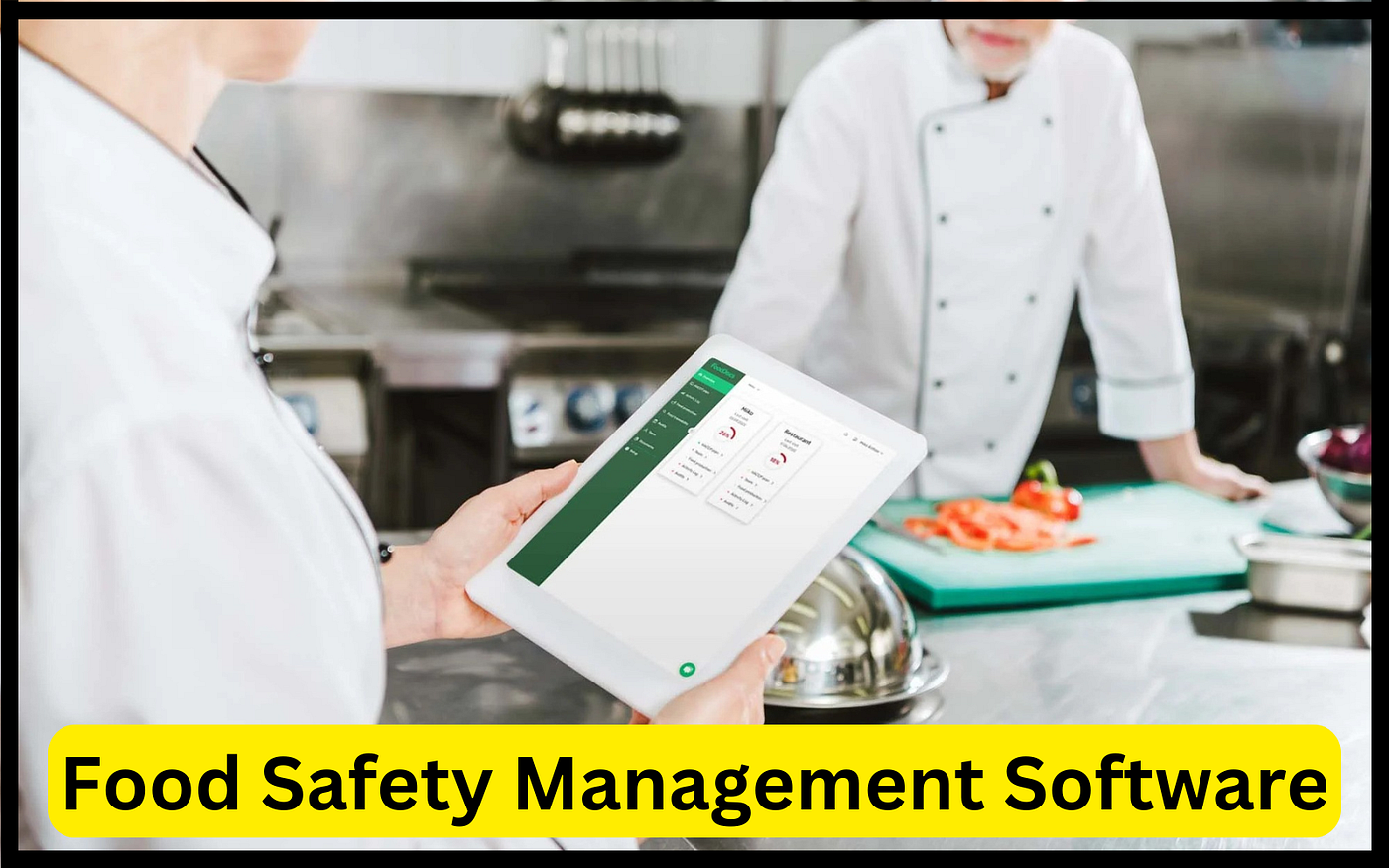
Automated HACCP monitoring means critical limits get tracked continuously, not just when someone remembers to check. If a temperature breaches a control point, the system flags it, triggers a corrective action workflow, and timestamps everything no clipboard, no retroactive logging. Supplier documentation gets stored, versioned, and checked for expiry automatically, so you’re not discovering a lapsed certificate of analysis the morning of an audit.
For distributors managing cross-border imports, the regulatory paperwork alone can stall shipments for weeks. Normex’s digital compliance workflows have helped companies like Health Life NY compress that process from weeks to days not by cutting corners, but by having everything organized and retrievable when it’s needed.
The Audit Problem (And Why Most Teams Dread It)
Audits are stressful for a predictable reason: they expose the gap between how a compliance program looks on paper and how it actually runs. When a CFIA or FDA auditor asks for corrective action records from the past 90 days, or traceability documentation for a specific lot, the scramble to produce those records is itself evidence of a gap.
Good food safety software makes audits boring. That sounds like a low bar, but boring audits are the goal it means nothing surprising surfaced, records were complete and retrievable, and the auditor left without a list of findings.
Mobile checklists, IoT sensor integration for continuous temperature monitoring, lot-level traceability from receiving to shipping these aren’t features to show off in a demo. They’re the difference between an audit you walk into confidently and one you spend the night before preparing for.
What It Actually Looks Like for Smaller Operations
Here’s something worth saying plainly: food safety software isn’t only for large manufacturers. The compliance burden on small and mid-sized operations is, in many ways, heavier fewer people are managing the same regulatory requirements that a large processor has a full quality team to handle.
A quality manager at a 40-person dairy operation probably runs HACCP, manages supplier relationships, preps for audits, handles customer complaints, and trains new staff. If their traceability system is a spreadsheet and their HACCP records are in a shared drive, every one of those tasks takes longer than it should.
Platforms built for SMEs with pricing and onboarding that reflects that reality can reduce manual administrative work by around 90% in some operations. That’s not a marketing number; it’s what happens when repetitive documentation tasks get automated and the system does the remembering.
The ROI Question Executives Actually Ask
For COOs and operations managers, the conversation about food safety software usually comes down to one question: what does it cost versus what does it prevent?
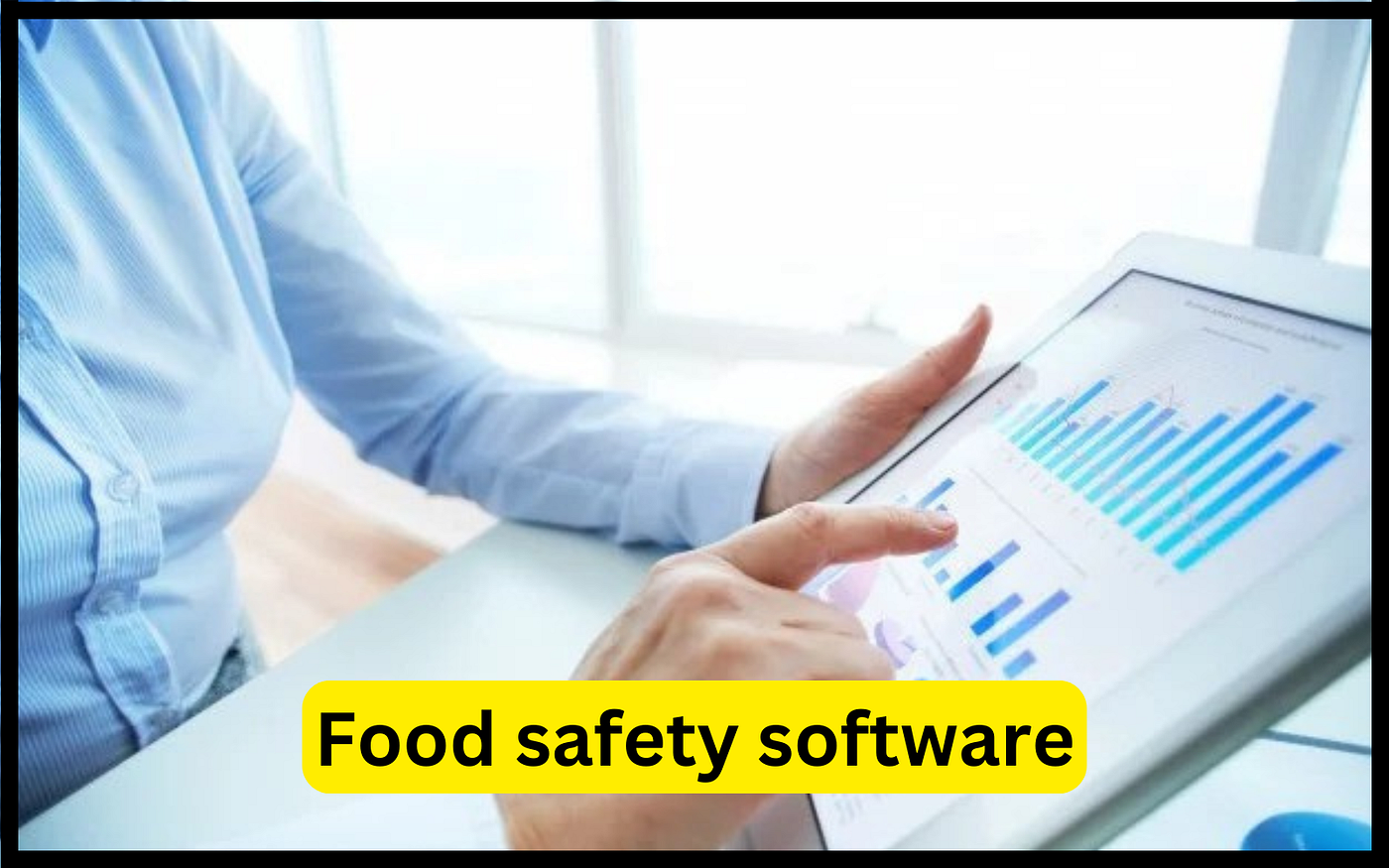
A 30% efficiency gain across quality and compliance functions. Annual savings of $40,000 or more once manual processes are replaced. Real-time dashboards that give leadership visibility into quality metrics without waiting for a weekly report. Against the cost of a single failed audit, a product recall, or a regulatory warning letter, the numbers aren’t close.
Food safety software isn’t a line item to evaluate against other software purchases. It’s risk infrastructure the kind of thing that looks optional until it suddenly isn’t.
Compliance That Runs While You’re Not Watching
You know what the best food safety programs have in common? They don’t depend on everyone having a perfect day. The checks happen. The records get captured. The deviations get flagged. All of it runs whether the quality manager is on the floor, in a meeting, or out sick.
That’s what food safety software builds not just better documentation, but a system that doesn’t require constant human oversight to stay functional. For an industry where the stakes of getting it wrong are genuinely high, that reliability isn’t a nice-to-have.
It’s the whole point.
Curious where your current compliance gaps are? Normex offers a free assessment for food operations most teams find at least two or three process gaps they didn’t know existed. Takes about 20 minutes.
메타데이터
- post_id
- 4d024d7f0d05
- slug
- unlock-stress-free-cooking-with-cutting-edge-food-safety-solutions-today-4d024d7f0d05
- url
- https://medium.com/@normexca/unlock-stress-free-cooking-with-cutting-edge-food-safety-solutions-today-4d024d7f0d05
- canonical_url
- https://medium.com/@normexca/unlock-stress-free-cooking-with-cutting-edge-food-safety-solutions-today-4d024d7f0d05
- author_url
- https://medium.com/@normexca
- status
- ok
- fetched_at
- 2026-06-24 04:09:36