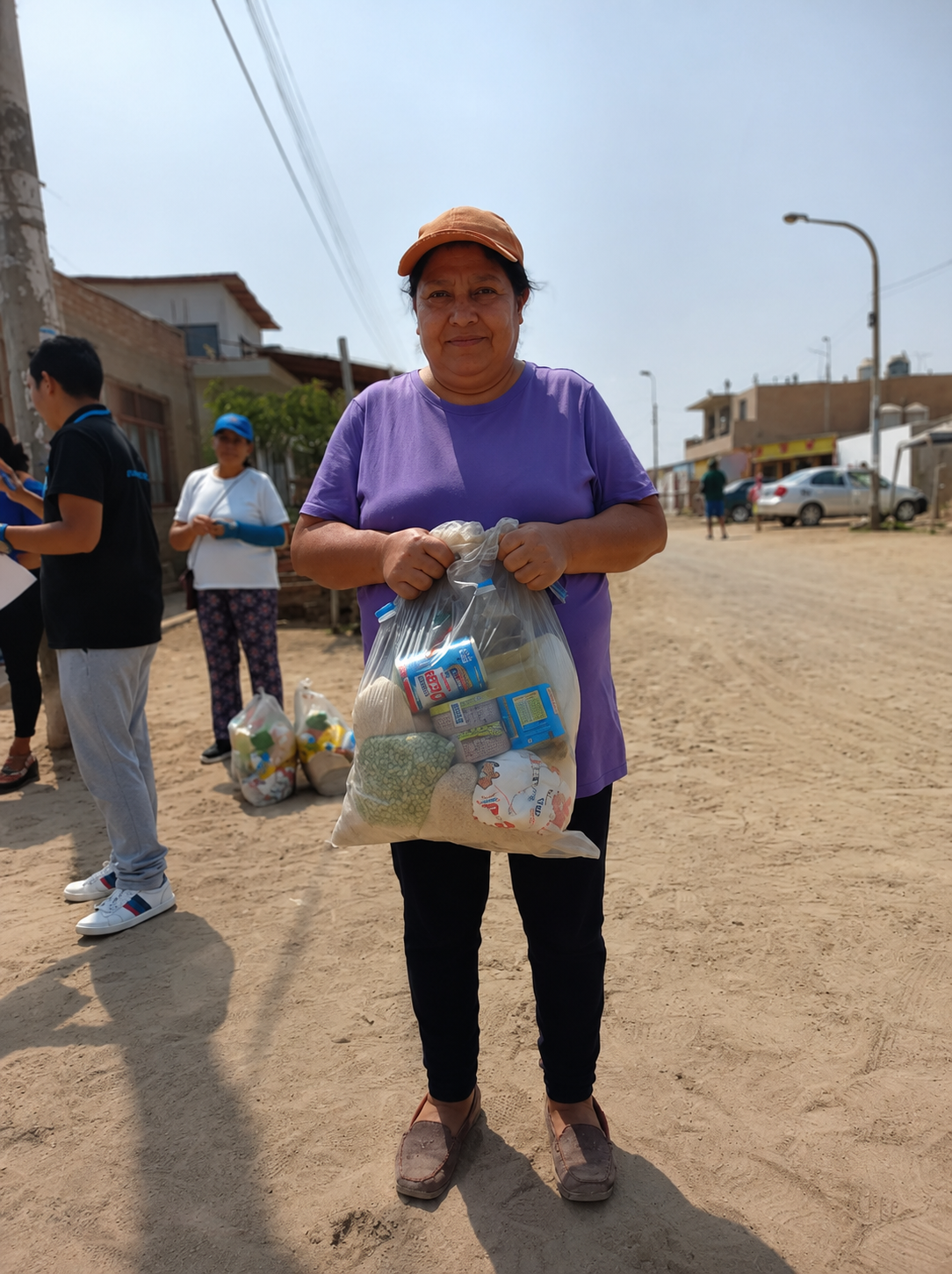
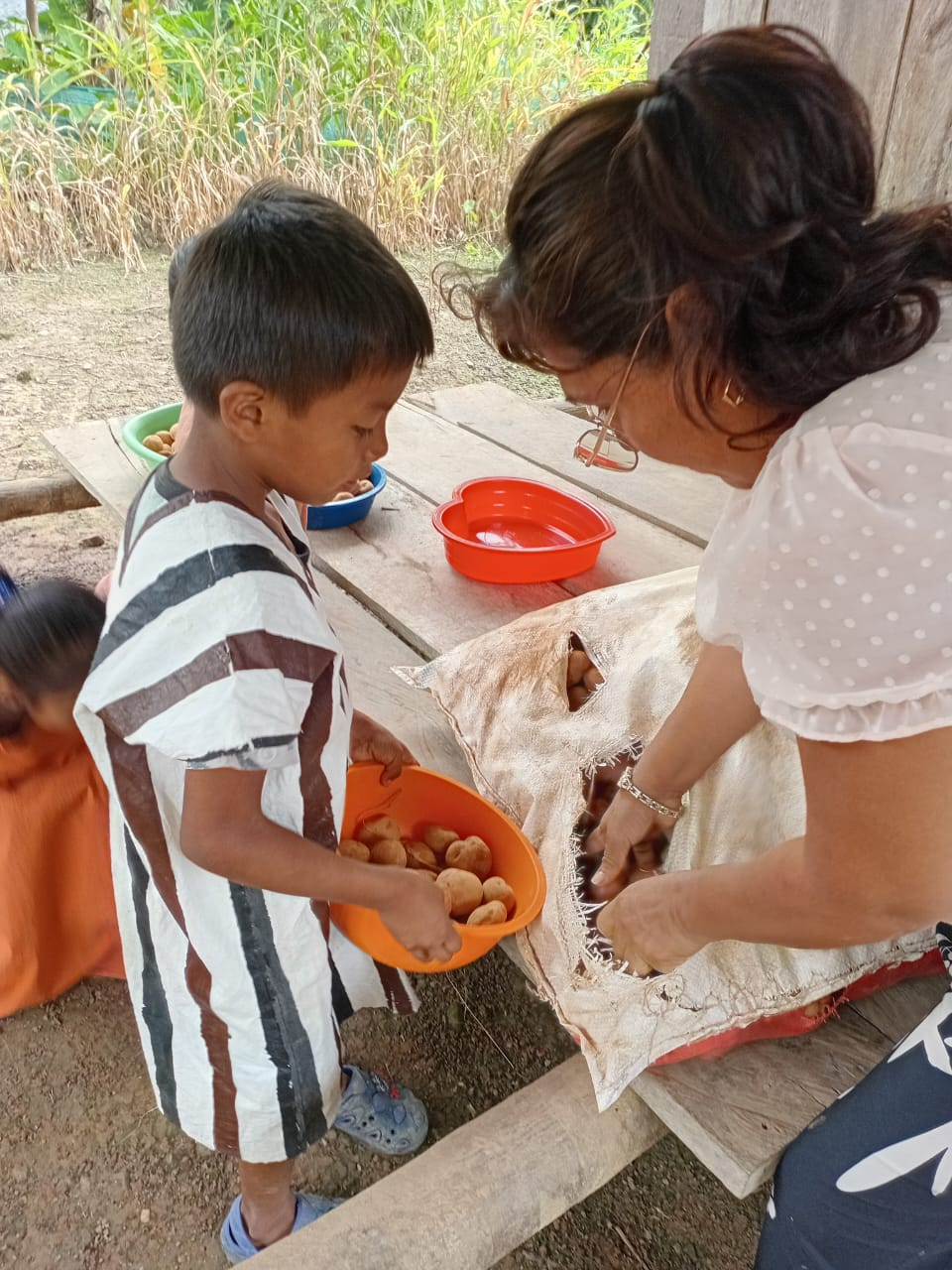
When the Lack of Basic Materials Pushes Adolescents Out of School in Rural Peru
In rural areas of Peru, secondary school dropout rarely occurs abruptly. It is most often the result of accumulated economic barriers that…
When the Lack of Basic Materials Pushes Adolescents Out of School in Rural Peru
In rural areas of Peru, secondary school dropout rarely occurs abruptly. It is most often the result of **accumulated economic barriers** that gradually interrupt educational continuity. Among the most decisive — and frequently underestimated — are the basic material requirements of secondary education: uniforms, notebooks, learning materials, and adequate supplies.
For adolescents in the rural Andes and Indigenous communities of the Amazon, secondary school represents a critical transition. While primary education is often more accessible, secondary schools are fewer, farther away, and associated with higher indirect costs. As academic expectations increase, so do material requirements. For families with limited and unstable income, these costs can quickly become unsustainable.

When adolescents lack the materials required to attend school consistently, absences begin to accumulate. What may initially appear as a temporary interruption often becomes permanent dropout. This process is not driven by disinterest or lack of aspiration. Families and students repeatedly express strong commitment to education. The challenge lies in **economic constraints that intensify precisely during secondary education**, the most vulnerable stage of the schooling cycle.
Geographic factors further amplify exclusion. In the Amazon, isolation, transportation costs, and limited access to markets increase the difficulty of obtaining school supplies. In the Andes, distance, terrain, and seasonal income variability make it harder for households to absorb additional education-related expenses. These structural conditions converge to push adolescents out of school at a critical moment in their development.
The consequences of secondary school dropout are long-term and well documented. Adolescents who do not complete secondary education face reduced employment prospects, lower lifetime earnings, and higher vulnerability to poverty. At the community level, this reinforces intergenerational inequality and limits local development.
Preventing this rupture requires timely, targeted interventions. Ensuring access to basic school materials during secondary education is not a symbolic gesture — it is a concrete, evidence-based strategy to protect educational trajectories. When these barriers are removed at the right moment, adolescents are far more likely to remain in school and complete their education.
Addressing material barriers in secondary education is essential to advancing equity, protecting rights, and generating lasting impact in rural Peru.
https://agapehands.org/now-is-the-time-education-for-lasting-change/
메타데이터
- post_id
- 4d0dd7fce7b3
- slug
- when-the-lack-of-basic-materials-pushes-adolescents-out-of-school-in-rural-peru-4d0dd7fce7b3
- url
- https://medium.com/@agapehand/when-the-lack-of-basic-materials-pushes-adolescents-out-of-school-in-rural-peru-4d0dd7fce7b3
- canonical_url
- https://medium.com/@agapehand/when-the-lack-of-basic-materials-pushes-adolescents-out-of-school-in-rural-peru-4d0dd7fce7b3
- author_url
- https://medium.com/@agapehand
- status
- ok
- fetched_at
- 2026-07-11 23:17:18