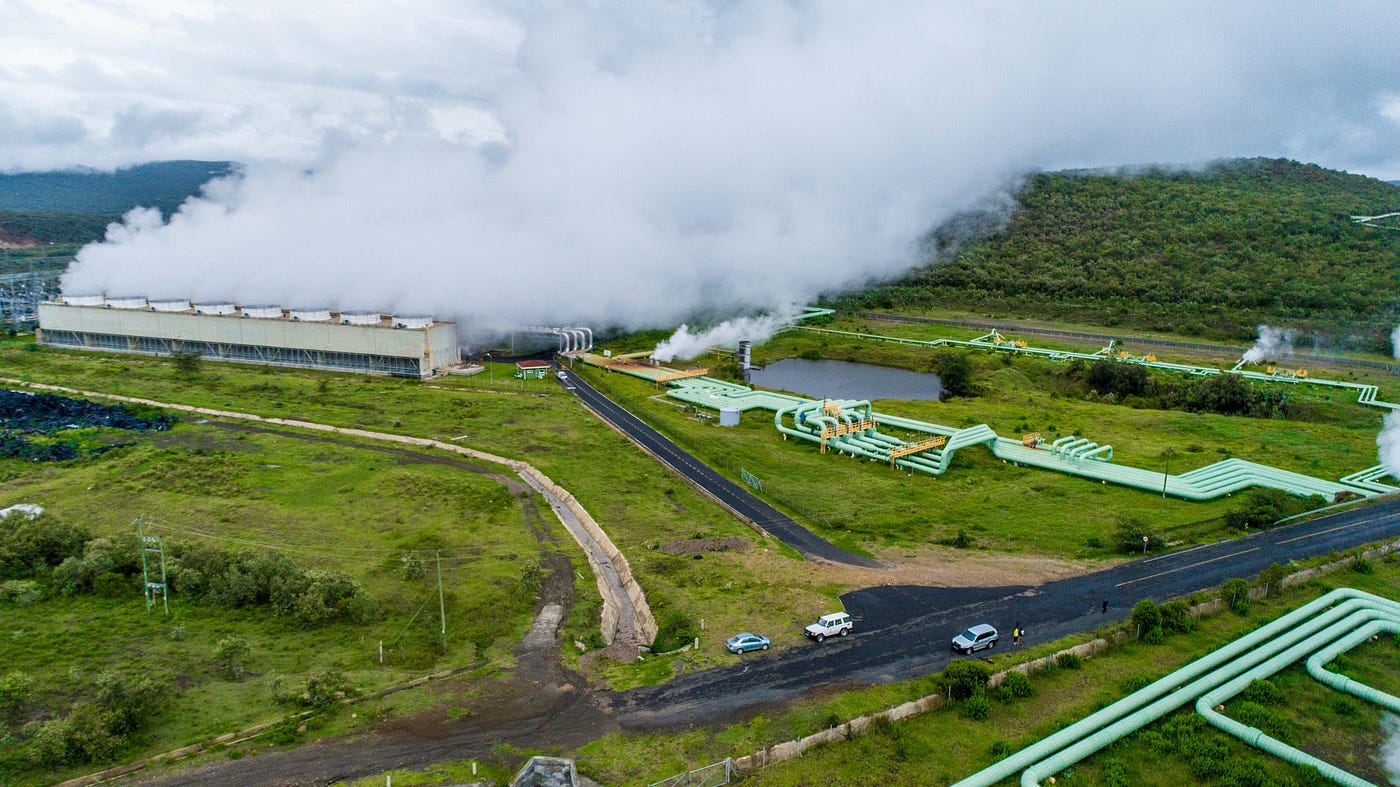
Floating Solar Power Plant Ntpc
As the world moves toward a more sustainable future, renewable energy has become a primary focus. India, with its growing energy demands…
Floating Solar Power Plant Ntpc
As the world moves toward a more sustainable future, renewable energy has become a primary focus. India, with its growing energy demands, is continuously exploring innovative ways to harness clean and renewable energy sources. One such promising solution that has gained attention in recent years is floating solar power plants. Among the leading players in the renewable energy sector, NTPC (National Thermal Power Corporation) has been at the forefront, making strides with its floating solar power plant initiatives.
In this blog, we will explore the concept of floating solar power plants, the role of **Floating Solar Power Plant NTPC** in this sector, and the significance of this renewable energy solution in India’s energy future.

Floating Solar Power Plant Ntpc
What is a Floating Solar Power Plant?
A floating solar power plant is a photovoltaic (solar) system that is installed on the surface of water bodies such as reservoirs, lakes, or ponds. Unlike traditional land-based solar panels, which require vast amounts of space, floating solar power plants utilize bodies of water, thus reducing the need for large tracts of land. These solar panels are mounted on floating structures that allow them to be positioned on water surfaces, making efficient use of otherwise unused water areas.
Floating solar power plants are an efficient solution to overcome the space limitations that often hinder the installation of traditional solar power plants, especially in densely populated areas. Additionally, floating solar plants help reduce water evaporation from large reservoirs, which is a significant benefit for water conservation. As an emerging technology, floating solar power plants have the potential to revolutionize the renewable energy sector by providing clean, sustainable, and scalable power generation solutions.
NTPC’s Vision for Floating Solar Power
NTPC, India’s largest power utility, is committed to meeting the country’s energy needs while promoting environmental sustainability. As part of its renewable energy strategy, Floating Solar Power Plant NTPC has been actively involved in the development of floating solar power plants. The company aims to diversify its renewable energy portfolio and contribute significantly to India’s ambitious target of 500 GW of renewable energy capacity by 2030.
NTPC’s interest in floating solar power plants stems from the need to balance the growing demand for energy with environmental concerns. The company has already made significant progress in the renewable energy sector with large-scale solar and wind projects. Floating solar power plants represent a natural extension of this strategy, leveraging India’s abundant water resources while maximizing the use of available space.
NTPC’s Floating Solar Projects
NTPC has undertaken several initiatives in the floating solar power plant sector, which are making a significant impact on the country’s renewable energy landscape.
NTPC Kayamkulam Floating Solar Power Plant (Kerala)
NTPC’s Kayamkulam project in Kerala is India’s first large-scale floating solar power plant. Located on the reservoir of the Kayamkulam Thermal Power Station, this 92 MW floating solar power plant is one of the largest in the country. The project, which was commissioned in 2020, has the potential to generate clean, renewable energy for the region, and it stands as a testament to NTPC’s commitment to sustainable energy solutions.
The Kayamkulam project is designed to meet Kerala’s growing energy demand while reducing the carbon footprint of the state. The solar panels are mounted on floating platforms that cover the surface area of the reservoir, thereby making effective use of the available water body. The success of this project has set the stage for more floating solar power plants in India and demonstrated the potential of floating solar in optimizing the use of existing infrastructure.
NTPC Simhadri Floating Solar Power Plant (Andhra Pradesh)
NTPC has also embarked on the development of a floating solar power plant at its Simhadri thermal power station in Andhra Pradesh. The Simhadri project, with an installed capacity of 25 MW, is designed to help meet the energy needs of the state while promoting clean energy generation. The floating solar project at Simhadri is an example of how Floating Solar Power Plant NTPC is integrating renewable energy with its existing thermal power stations, providing a balanced and sustainable energy mix.
NTPC Chandrapur Floating Solar Power Plant (Maharashtra)
NTPC is also planning to develop a floating solar power plant at its Chandrapur thermal power station in Maharashtra. This project, which will have a capacity of 100 MW, is part of NTPC’s vision to expand its renewable energy footprint across India. The Chandrapur floating solar project will further enhance NTPC’s efforts to provide clean and reliable energy to the state while contributing to India’s renewable energy targets.
Advantages of Floating Solar Power Plants
The adoption of floating solar power plants offers several key benefits that make them an attractive option for renewable energy generation in India:
- Efficient Land Use: Land acquisition for large solar projects is a significant challenge in densely populated countries like India. Floating solar power plants help address this issue by utilizing water bodies, which are often underutilized. This allows for the efficient use of land while generating clean energy.
- Reduction in Water Evaporation: Installing solar panels on water bodies helps reduce evaporation from reservoirs, which is particularly important in water-scarce regions. This serves as a dual-purpose solution, addressing both energy and water conservation concerns.
- Enhanced Efficiency: Floating solar power plants have been shown to be more efficient than traditional land-based solar plants. The cooling effect provided by the water helps keep the solar panels at optimal temperatures, enhancing their efficiency and lifespan.
- Scalability: Floating solar power plants are scalable, meaning that they can be easily expanded to meet growing energy demand. The modular nature of the technology allows for flexibility in scaling up the generation capacity of a floating solar plant.
- Reduction in Carbon Footprint: By generating clean and renewable energy, floating solar power plants contribute to reducing the carbon footprint of the energy sector. This is crucial for meeting global climate goals and promoting sustainable development.
The Role of Floating Solar in India’s Renewable Energy Future
India is one of the world’s fastest-growing energy markets, and the demand for electricity is expected to continue rising as the country’s economy expands. To meet this growing demand, the government has set ambitious targets for renewable energy capacity, aiming to achieve 500 GW of renewable energy capacity by 2030.
Floating Solar Power Plant NTPC plays a crucial role in achieving these targets. With vast stretches of water bodies across the country, India has the potential to generate a significant portion of its renewable energy through floating solar technology. This not only helps reduce dependence on fossil fuels but also ensures that renewable energy generation does not compete with agricultural or urban land use.
NTPC’s floating solar projects are part of a broader push by India’s power sector to embrace sustainable energy sources. As India moves toward a cleaner, greener future, floating solar power plants offer an exciting and viable solution to address the country’s energy needs while contributing to environmental conservation.
Conclusion
The development of floating solar power plants by **Floating Solar Power Plant NTPC** is a significant step forward in India’s journey toward a sustainable and clean energy future. With projects like the Kayamkulam, Simhadri, and Chandrapur floating solar power plants, NTPC is paving the way for innovative renewable energy solutions that optimize land and water resources. The advantages of floating solar technology, such as efficient land use, water conservation, and enhanced efficiency, make it an ideal solution for India’s energy challenges.
As India continues to grow, embracing renewable energy solutions like floating solar power plants will be essential in meeting the country’s energy demands while reducing its carbon footprint. With the leadership of organizations like NTPC, India is on track to becoming a global leader in clean energy innovation, and floating solar power is one of the many steps in that direction.
메타데이터
- post_id
- 4dbb9db6d45e
- slug
- floating-solar-power-plant-ntpc-4dbb9db6d45e
- url
- https://medium.com/@theunitedindian3/floating-solar-power-plant-ntpc-4dbb9db6d45e
- canonical_url
- https://medium.com/@theunitedindian3/floating-solar-power-plant-ntpc-4dbb9db6d45e
- author_url
- https://medium.com/@theunitedindian3
- status
- ok
- fetched_at
- 2026-06-20 20:29:01