Photography Basics for Beginners: Master Aperture, ISO, Shutter Speed & White Balance 📸
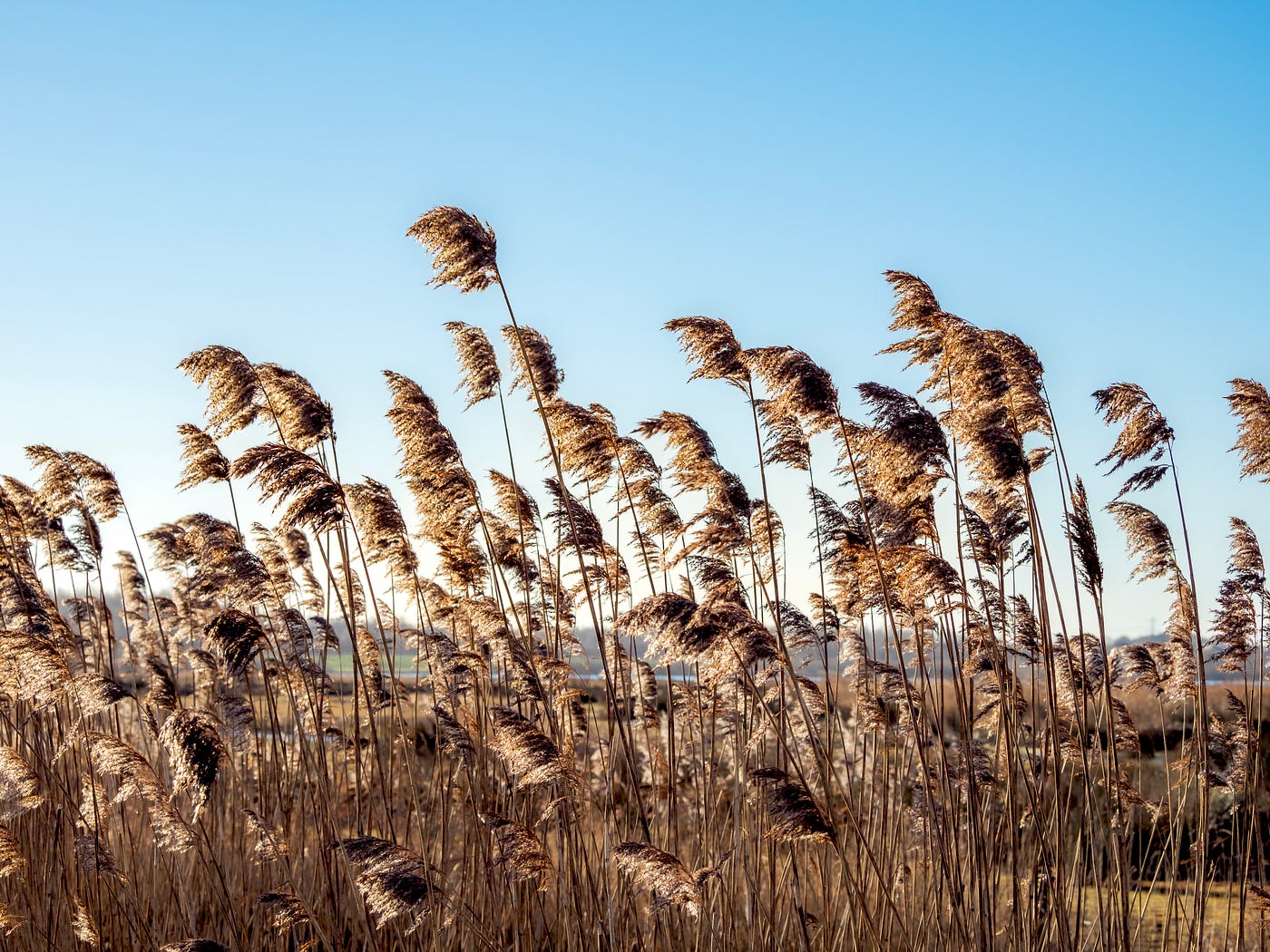
Vivid study of Photography Basics for Beginners
Photography Basics for Beginners: Master Aperture, ISO, Shutter Speed & White Balance 📸
Introduction
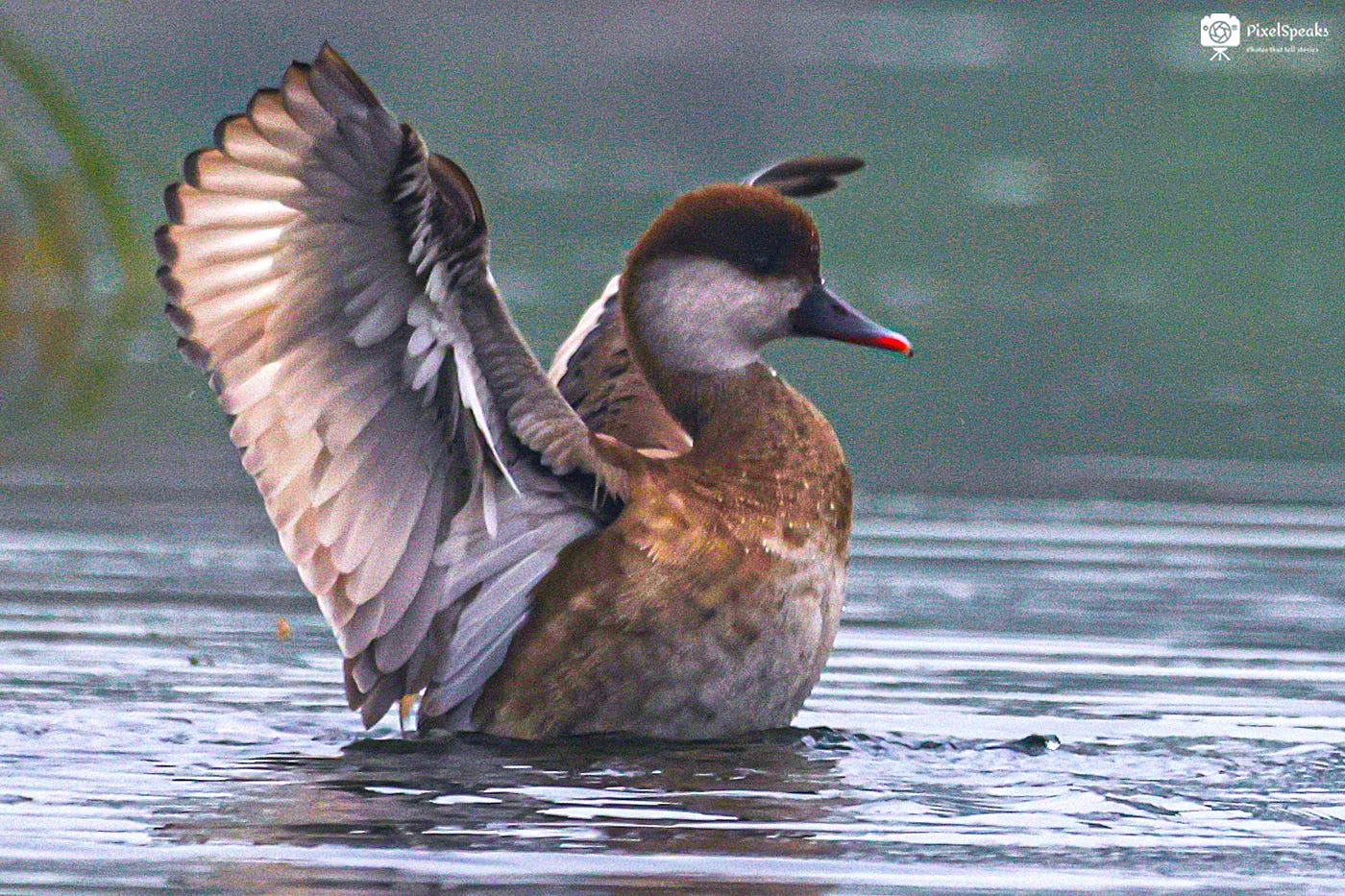
Red-crested Pochard with Spread Wings in Purbasthali
Learning photography basics starts with understanding the four essential settings: aperture, ISO, shutter speed, and white balance. These basics form the foundation of every great photo. Whether you’re using a DSLR, mirrorless, or even a smartphone, mastering these elements will help you capture stunning images with confidence.
1. Aperture: Controlling Light and Depth of Field

Grasshopper collecting nectars from Daliah Flower
What it is: Aperture refers to the adjustable opening in your camera lens that controls how much light enters the sensor.
Effect on photos:
- Wide aperture (f/1.8, f/2.8) → more light, shallow depth of field (blurry background).
- Narrow aperture (f/11, f/16) → less light, deep depth of field (sharp foreground & background).
Best use cases:
- Wide aperture → portraits, low light.
- Narrow aperture → landscapes, architecture.
2. Shutter Speed: Freezing or Blurring Motion

Pheasant-tailed Jacana Flying in Purbasthali. This photo is clicked 1/3200 Shutter Speed
What it is: The length of time the camera’s shutter stays open.
Effect on photos:
Fast shutter (1/1000s) → freezes motion (sports, wildlife).
Fast shutter (1/1000s) → freezes motion (sports, wildlife).
Slow shutter (1/30s or longer) → motion blur (waterfalls, light trails).
Pro tip: Always use a tripod for long exposures to avoid camera shake.
3. ISO: Sensor Sensitivity to Light

Red Crab in Mandarmani, This photo was clicked with 400 ISO
What it is: ISO determines how sensitive your camera sensor is to light.
Effect on photos:
- Low ISO (100–200) → clean, high-quality image (daylight).
- High ISO (1600+) → brighter image in low light, but more noise/grain.
- Rule of thumb: Keep ISO as low as possible for sharp, clean images.
4. White Balance: Getting Accurate Colors

Blue-tailed Bee-eater Couple, and this photo is clicked with Daylight White Balance
What it is: White balance adjusts the color temperature so whites look natural.
Common presets: Daylight, Cloudy, Shade, Tungsten, Fluorescent, Auto.
Effect on photos:
- Correct WB → natural-looking colors.
- Wrong WB → photos look too blue or too yellow.
- Pro tip: Shoot in RAW to adjust white balance easily during editing.
Conclusion
Mastering aperture, shutter speed, ISO, and white balance is the key to unlocking your creativity in photography. Once you understand how these settings work together, you can take control of exposure, color, and style — moving beyond automatic mode and into true photography artistry. Read in details: https://pixelspeaks.photography/photography-basics/
메타데이터
- post_id
- 4e0f13e84ef4
- slug
- photography-basics-for-beginners-master-aperture-iso-shutter-speed-white-balance-4e0f13e84ef4
- url
- https://medium.com/@rommel.wp/photography-basics-for-beginners-master-aperture-iso-shutter-speed-white-balance-4e0f13e84ef4
- canonical_url
- https://medium.com/@rommel.wp/photography-basics-for-beginners-master-aperture-iso-shutter-speed-white-balance-4e0f13e84ef4
- author_url
- https://medium.com/@rommel.wp
- status
- ok
- fetched_at
- 2026-07-20 17:17:34