A Tough Day in UX Research at Trendyol’s User Panel & What It Taught Me
Being a UX researcher naturally involves engaging with users one-on-one and listening to their pain points, which brings its own set of…
A Tough Day in UX Research at Trendyol’s User Panel & What It Taught Me
Being a UX researcher naturally involves engaging with users one-on-one and listening to their pain points, which brings its own set of challenges and positive aspects. However, when you work as a UX researcher on a platform used specifically by these business users — like the Trendyol User Panel — these dynamics take on an entirely different shape.
Working in this environment means facing a unique set of challenges every single day. I learned this during one of my early, challenging research days (almost 3 years ago) — a day where things didn’t go as planned, but ultimately taught me exactly how to handle this unique audience.
The Setup and the Missteps
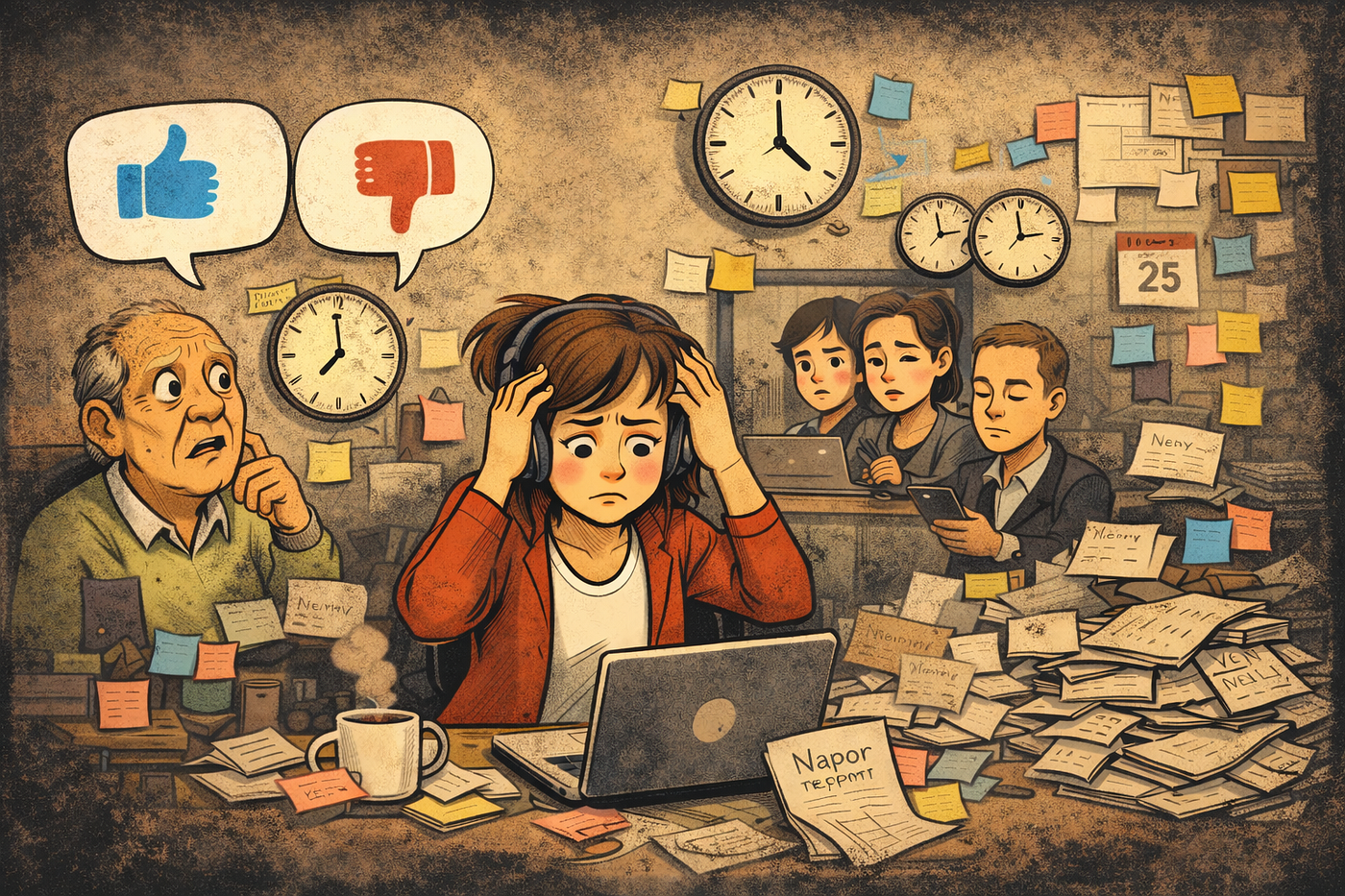
I had planned a full day of research to test a new flow, scheduling 10 interview sessions. I thought I was perfectly prepared. But our users have their own busy agendas, and it is highly likely that they won’t show up for scheduled interviews. Instead of a packed day of insights, I found myself completely unprepared for the reality that out of 10 planned sessions, I would only successfully conduct 2 or 3 of them.
When a user finally did show up, things immediately went off track. While “User” might sound like one distinct group, you actually have to shape your communication around many different, complex profiles. Furthermore, not every persona utilizes every feature of the panel. The person sitting across from me was an employee who only handled promotions, making them completely irrelevant to the flow I was supposed to be testing.
To make matters more complicated, getting purely UX-focused feedback became incredibly difficult. Because users’ biggest concern is money, when I asked about their experience with the panel, they spent the entire session complaining about commission rates and the money they had to pay (with good reason), rather than pointing out any UX flaws
During the interview, the user began to treat me like customer support, demanding answers to specific business problems. They fired questions at me: “Why am I getting this specific price when creating a coupon?”, “Why was my product rejected for micro-export?”, and “Why do some details look different across my reports?”. I tried to stumble through answers I didn’t know, and ended the call feeling quite inadequate.
The Turning Point: Lessons Learned
That rough day was a turning point. It forced me to drastically change my methodology when communicating with this persona. Here is what I do differently now:
- Over-Prepare Backups: I realized that keeping a standard number of backups isn’t enough; you must be completely open to the reality of no-shows and keep your backup numbers exceptionally high.
- Fix the Call Center Scripts: To make sure I am targeting the right user for the right flow, I now carefully define the persona details before the interview. I ensure the call center uses these specific criteria in their recruitment scripts so I understand exactly what the user is responsible for, instead of accidentally interviewing someone who only handles promotions.
- Embrace “I Don’t Know”: I learned that user panels are massive platforms with deep, data-specific services, and it is completely normal that you won’t know the answer to every question. Now, I confidently say, “I don’t have information on this specific topic, but I will direct you to the relevant team”. This doesn’t show inadequacy; it proves my honesty about not knowing everything and my genuine willingness to help them.
- Master the Art of Steering the Conversation: I stopped thinking an interview is a waste of time just because a user gives feedback on non-UX topics like commissions. Making them feel heard and understanding their mental perspective is incredibly valuable. However, I learned how to politely cut in when the venting goes on for minutes, firmly saying, “There are still so many other topics I want to learn from you today,” to steer the focus back to my research goals.
Conclusion
Ultimately, my early missteps in the User Panel taught me that business-centric environments can be different. The reality of high no-show rates, financially driven complaints, and demanding, diverse user profiles requires a fundamentally different, highly adaptable approach. In that way, you learn to dynamically adapt your flow to any persona and walk away with a vast, deep understanding of multiple different user profiles and their specific needs.
We’re hiring! Join a team that loves to build, share, and contribute back to the community. Explore our career opportunities to see where you fit in.
메타데이터
- post_id
- 4e107b375f7f
- slug
- a-tough-day-in-ux-research-at-trendyols-user-panel-what-it-taught-me-4e107b375f7f
- url
- https://medium.com/trendyol-tech/a-tough-day-in-ux-research-at-trendyols-user-panel-what-it-taught-me-4e107b375f7f
- canonical_url
- https://medium.com/trendyol-tech/a-tough-day-in-ux-research-at-trendyols-user-panel-what-it-taught-me-4e107b375f7f
- author_url
- https://medium.com/@reyhan.ikan
- status
- ok
- fetched_at
- 2026-06-12 10:20:10