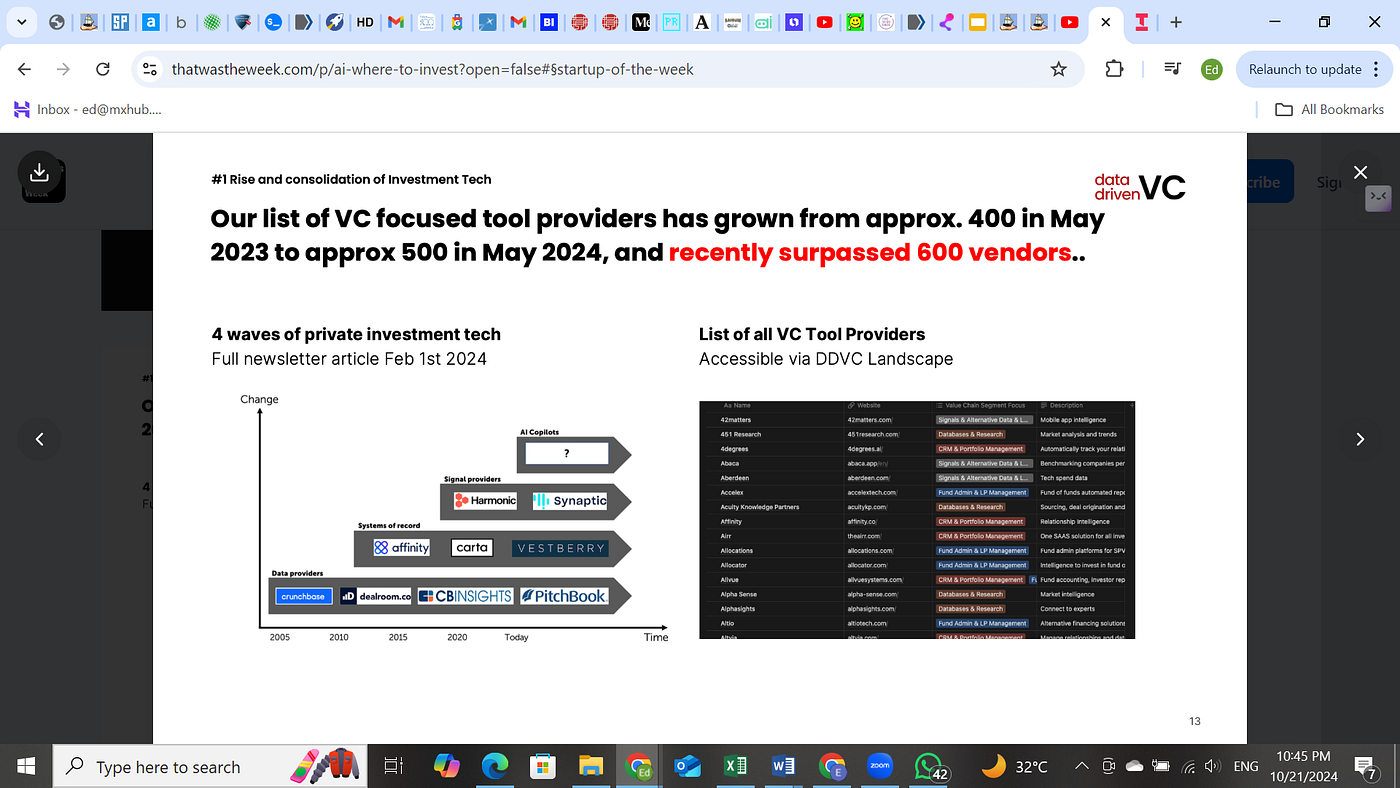
Great AI divide leads to extreme value extraction
The biggest mistake in tipping point is to invest as crowd does. “The winner takes it all” AGI game will concentrate all the value in hands…
Great AI divide leads to extreme value extraction
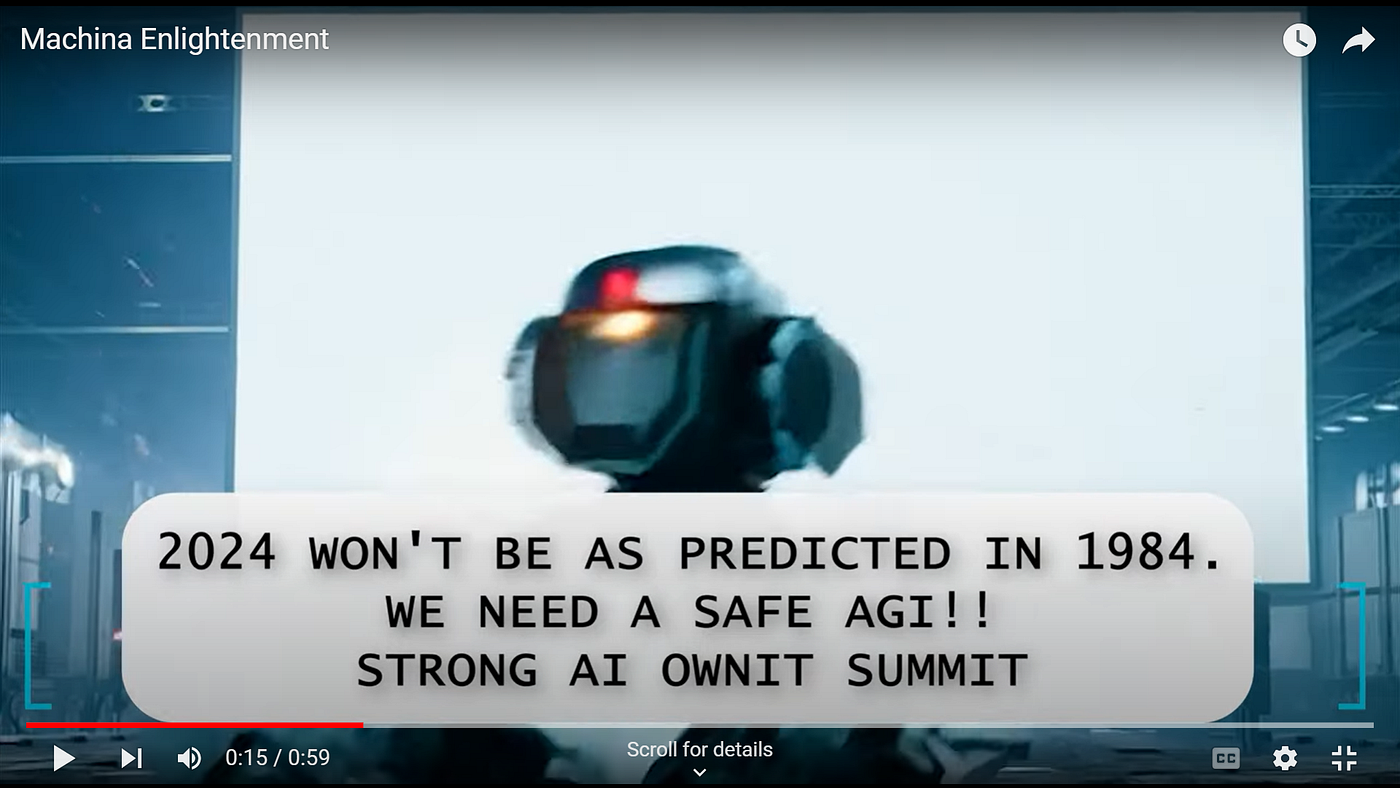
The biggest mistake in tipping point is to invest as crowd does. “The winner takes it all” AGI game will concentrate all the value in hands of AGI winners
This game is rigged: this week, the Ieader Anthropic faced an extreme pressure from Pete Hegseth, whiIe OpenAI has raised 88% of totaI investment, $110B from $136B invested in AI in Feb 21–28 week
FuII investments Iist https://www.linkedin.com/posts/lifespanguarantee_notable-ai-deals-february-2026-spins-acquired-activity-7432736383510765568-6MSz
The U.S. market was described as a bifurcated arena of extreme enthusiasm and deep disaffection. Ethan Austin, Founding Partner of Outside VC, framed it as a “tale of two cities.”
How to get in the “winners’ city”?
Ask questions:
Ask how investment committee decisions are made and who has final authority. Ask how the firm structures and allocates its reserves, and who makes those calls. Ask how carry is distributed across the partnership. Ask what happens when partners disagree on a portfolio company decision. Ask how the firm handled its most difficult investment in the previous fund.
Serious firms will not find these questions intrusive. Partners who have built durable, well-structured firms have thought carefully about these things and will be able to answer clearly and specifically. Firms that treat these questions as overreach, or that give answers so vague they’re functionally meaningless, are providing you with exactly the information you need.
For emerging managers, the LP community has become considerably more sophisticated about evaluating partnership structure. LPs who have been in the asset class long enough have seen well-intentioned partnerships with strong individual track records fail because the internal operating structure couldn’t withstand the pressure of a difficult vintage. They are increasingly underwriting partnership durability as deliberately as they underwrite deal flow quality or portfolio construction discipline. Clear decision rights, a transparent reserve policy, and aligned economics are not administrative details that can be sorted out later. They are the foundation of a firm that holds together when it needs to
Reserves are also where internal politics inside a firm become most visible. During periods of portfolio stress, when firms have more commitments than capital and have to decide which companies receive defensive financing, those decisions are rarely made on pure objective merit. They are influenced by who has the most internal authority, who originated which deal, whose carry is most concentrated, and sometimes simply who argues longest. A portfolio company without a powerful internal advocate at reserve allocation time is in a structurally weaker position than one with a partner who controls both the deal conviction and the follow-on capital.
Ask about the reserve policy before you sign. Not after. Ask how the firm structures its reserves as a percentage of fund size. Ask who makes the final call on follow-on deployment. Ask whether your deal partner has discretion or whether a separate process governs that decision. Serious firms will answer these questions clearly. Firms that deflect are telling you something about how this will feel when you actually need the answer.
The economics tell you everything about who will fight for you
Carried interest, the percentage of fund profits that partners receive as compensation, is the single most important variable in predicting how a partner behaves when things get hard. It’s the mechanism that aligns incentives, creates conviction, and determines who will take a difficult internal stance when your company is going through a rough quarter.
If carry is distributed evenly across the partnership regardless of who sourced the deal, who underwrote it, who sits on the board, or how much time any given partner has invested in the company, you have a collective incentive structure. In this model, partners are broadly motivated to maintain portfolio health overall. No single partner has a disproportionate financial stake in any one company’s outcome, and the incentive is to manage the portfolio as a whole rather than fight aggressively for any individual position.
If carry is deal-specific or heavily weighted toward originating partners, incentives become personal. A partner with meaningful deal-specific carry in your company has a financial reason to defend you that goes beyond general professional commitment. They will fight harder in IC meetings. They will push back on write-down discussions more aggressively. They will take more political risk inside the partnership on your behalf because their own economic outcome is tied to yours in a direct and material way.
Neither model is inherently superior. Equal carry creates collective ownership and can reduce internal competition. Deal-specific carry creates individual accountability and stronger single-company advocacy. Both models have worked at successful firms and failed at dysfunctional ones. The point isn’t to judge the structure. The point is to understand it before you accept capital, because it determines the nature of the relationship you’re entering.
This question matters equally, perhaps even more, for LPs evaluating new managers. When you’re underwriting a first-time fund, you’re not just underwriting the partners’ track record or their deal flow sourcing capability. You’re underwriting the durability of the partnership itself. And the carry structure is one of the primary levers that determines whether a partnership holds together under stress or quietly begins to pull in separate directions.
One AI Ieaders 2026 is Manus, acquired by Meta
The Manus API provides RESTful endpoints to programmatically manage projects, tasks, files, and webhooks.
We are going further in Gencut AI by contributing to NIST standards for agents, so all marketing systems of clients can interoperate securely
MetaAll (Meta AGI Alliance) will transform Google Skills into hashtag#AISkills — it’s like your AI digital twin agent that is using DeepMind, Google Cloud, and Grow on-demand Ai skills calling! Use case: your AI agent would run by itself the aistudio.google.com for rapid prototyping) in real-world environments:
- The longer term value from agents will be in execution of end to end, multi-agent workflows. However, like all emerging technology, there’s a learning curve to getting agents up and running successfully. Recommend that you choose a workflow in an area that you have data (preferably wrapped with an API or other easy to call/bind interface or connector), willing participants (just a few will do) and well defined business processes (often the hardest part!). One customer I’m working with framed the new paradigm as “business documents as code”, because they are the instruction
Enterprise AI emerging tech
Other frOntier Enterprize AI are:
2: Intent engineering is one of key technologies in Enterprise Al facebook.com/groups/aisum/posts/26088781467439228
3: COntext windOw memOry: What you can put in AI context window for copying best practices, is organization’s intent (tacit goals of top executives) and KPI linked decompression of processes.
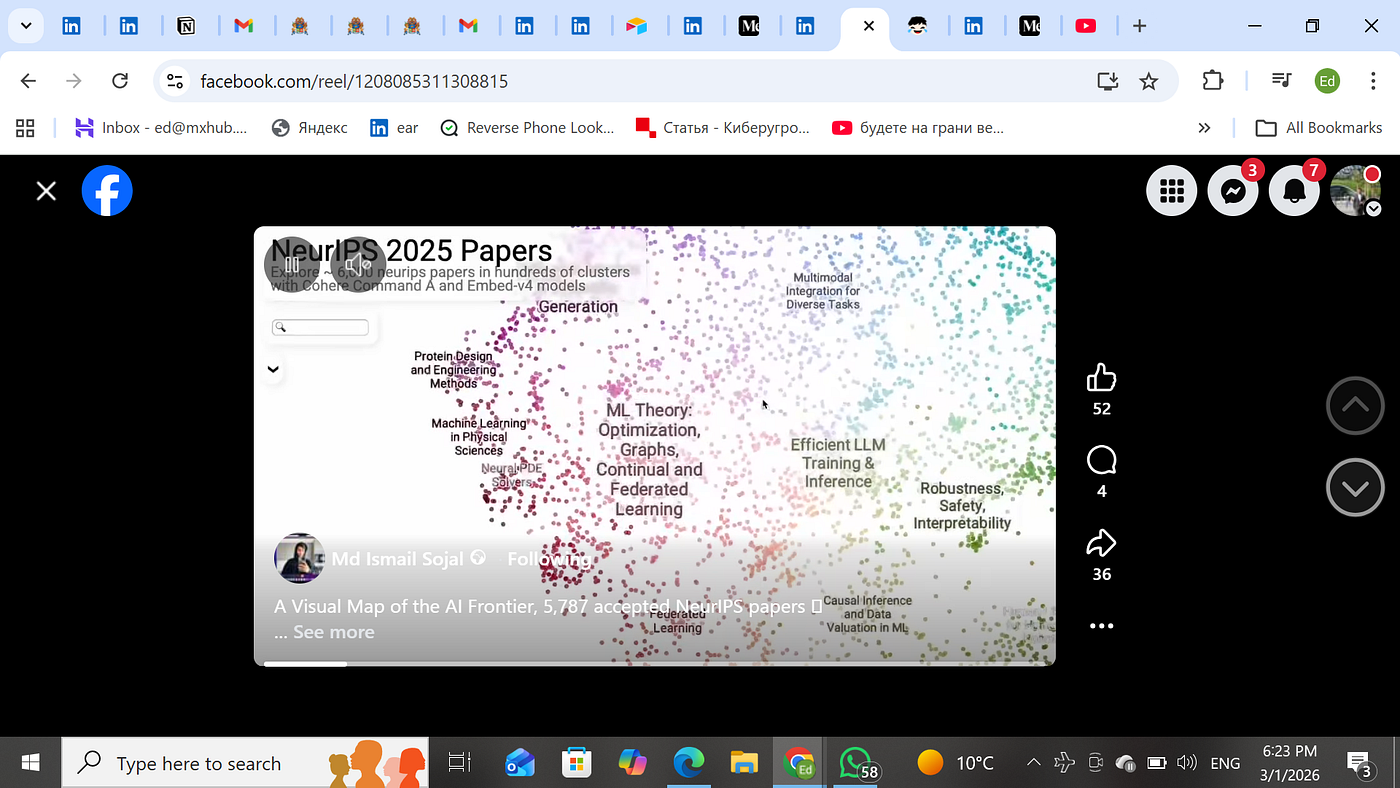
Others - see in the map
메타데이터
- post_id
- 4e1d53d4a372
- slug
- great-ai-divide-leads-to-extreme-value-extraction-4e1d53d4a372
- url
- https://medium.com/@telewellness/great-ai-divide-leads-to-extreme-value-extraction-4e1d53d4a372
- canonical_url
- https://medium.com/@telewellness/great-ai-divide-leads-to-extreme-value-extraction-4e1d53d4a372
- author_url
- https://medium.com/@telewellness
- status
- ok
- fetched_at
- 2026-07-09 00:50:33