> The ICJ, the JCPOA, and the Snapback Dilemma > What Recent Developments Mean for International…
“How recent developments in the JCPOA and ICJ rulings affect international law.”
The ICJ, the JCPOA, and the Snapback Dilemma
What Recent Developments Mean for International Law
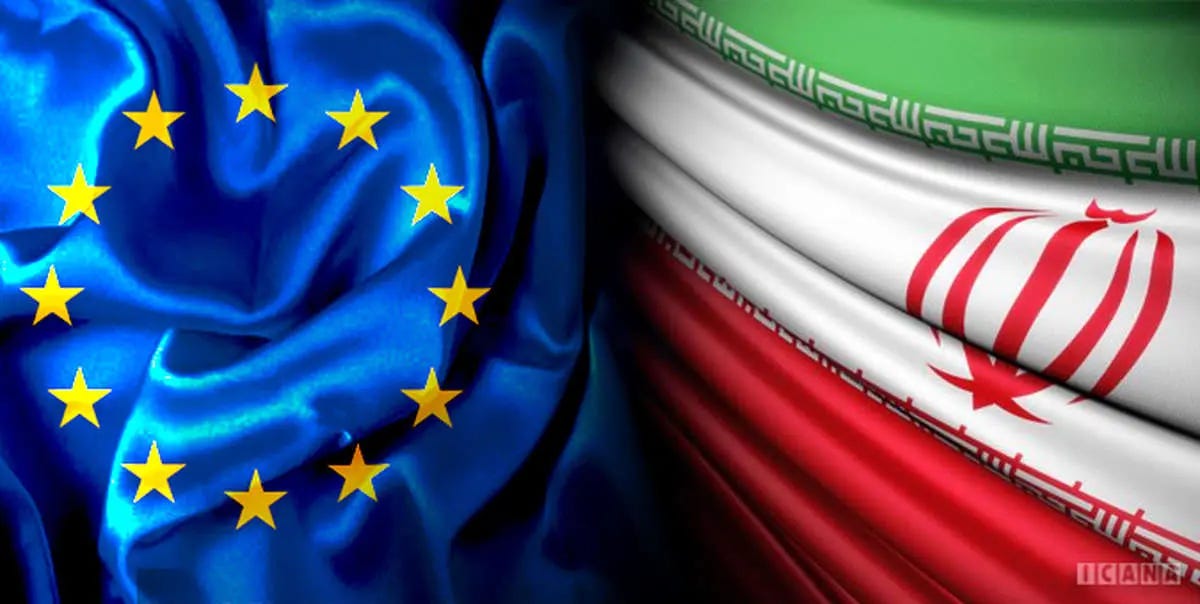
The ICJ, the JCPOA, and the Snapback Dilemma: What Recent Developments Mean for International Law
Introduction
Nearly a decade after it was signed, the Joint Comprehensive Plan of Action (JCPOA)—better known as the Iran nuclear deal—continues to shape debates in international law and diplomacy. Despite U.S. withdrawal in 2018 and years of stalled negotiations, the JCPOA still stands as a critical test of whether multilateral agreements can survive shifting geopolitics. At the same time, the International Court of Justice (ICJ) has issued important rulings in cases involving Iran and the United States, providing a parallel legal backdrop to the political battles surrounding the deal.
Central to this debate is the controversial “snapback” mechanism, a provision that allows the automatic reimposition of UN sanctions if Iran is deemed non-compliant. With recent attempts to revive the snapback in 2024–2025, the issue is once again at the forefront, raising questions about legitimacy, legality, and the credibility of international law.
The JCPOA and Resolution 2231: A Hybrid Agreement
The JCPOA, signed in 2015, was not a traditional treaty but a political–legal hybrid. It was endorsed by UN Security Council Resolution 2231, which effectively gave the deal the force of international law without turning it into a formal treaty. Under the principle of pacta sunt servanda—agreements must be kept—all participants were expected to comply in good faith.
For Iran, the JCPOA represented relief from crippling sanctions in exchange for strict limits on its nuclear program. For the West, it was a safeguard against nuclear proliferation in the Middle East. Yet the deal’s ambiguous legal status made it vulnerable: it relied more on political will than on enforceable treaty obligations.
The Snapback Mechanism Explained
The snapback provision, written into Resolution 2231, was designed as a safeguard for participants. If one party believed Iran was in significant non-performance, it could trigger a process leading to the automatic reimposition of all UN sanctions within 30 days.
When the U.S. unilaterally withdrew from the JCPOA in 2018, it argued that as an “original participant” it retained the right to invoke snapback. Iran and other states strongly rejected this position, pointing out that withdrawal logically forfeited such rights. For many observers, the U.S. claim amounted to having it both ways: abandoning commitments while retaining enforcement powers.
This tension reflects a deeper dilemma in international law: when political power collides with legal consistency, the stronger often prevails.
The ICJ and Iran–US Legal Battles
While the JCPOA saga unfolded, the ICJ became a parallel stage for Iran–U.S. disputes. Iran brought multiple cases before the Court, relying on the 1955 Treaty of Amity between the two countries.
In 2018, after the U.S. reimposed sanctions, the ICJ ordered provisional measures instructing Washington to ease restrictions on humanitarian goods.
In 2023, the Court issued a judgment partly in Iran’s favor concerning frozen Iranian assets, reinforcing Iran’s legal standing on certain issues while limiting others.
Though these rulings did not directly address the JCPOA, they strengthened Iran’s broader narrative: that U.S. actions undermine international law and obligations. Symbolically, ICJ decisions provide Iran with legal arguments against unilateralism, even if enforcement remains elusive.
The 2024–2025 Snapback Attempt
In late 2024, discussions of re-activating the snapback mechanism resurfaced. The U.S., backed by a small group of allies, pushed for renewed UN sanctions on Iran, citing concerns over its nuclear activities. Yet critics argued the U.S. had no legal standing, having left the JCPOA years earlier.
Europe remained divided: some governments echoed U.S. concerns, while others hesitated, fearing escalation and the collapse of what little remained of the deal. Russia and China firmly opposed Washington’s position, framing it as illegitimate and destabilizing.
This renewed debate highlighted a paradox: the snapback was intended as a legal safeguard, but in practice it has become a political weapon.
Legal and Political Assessment
Can the ICJ resolve the snapback question? Probably not directly. The mechanism is embedded in a Security Council resolution, and disputes over its activation are likely to be fought in the Council itself, where veto powers dominate. Still, ICJ judgments in related Iran–U.S. cases shape the broader legal discourse by reinforcing norms such as good faith, non-interference, and treaty obligations.
From a political perspective, the snapback saga illustrates the fragility of multilateral agreements. If a powerful state can withdraw from a deal and still claim enforcement powers, what message does that send about the reliability of international commitments? Critics warn that such double standards erode the credibility of both the UN system and international law as a whole.
Implications for International Law
The JCPOA and its troubled snapback provision expose three major risks for international law:
-
Erosion of Pacta Sunt Servanda: If agreements can be abandoned without consequence, the principle that treaties must be honored weakens.
-
Selective Multilateralism: When great powers pick and choose which parts of agreements to respect, smaller states lose trust in international institutions.
-
Politicization of Legal Mechanisms: Snapback was meant as a neutral safeguard but has become a tool for geopolitical pressure.
At the same time, the ICJ’s role—though limited—shows that legal arguments still matter. Even unenforceable rulings can shape global narratives and provide states with tools for diplomacy.
Conclusion
The JCPOA was once hailed as a triumph of diplomacy and international cooperation. Today, it is a cautionary tale of how fragile such achievements can be in the face of political shifts. The snapback dilemma epitomizes this fragility: a mechanism designed to ensure compliance has instead deepened division.
The ICJ cannot single-handedly rescue the deal, but its rulings underscore the importance of legal principles at a time when politics threaten to eclipse them. Ultimately, the future of the JCPOA—and the credibility of international law itself—depends on whether states are willing to respect both the spirit and the letter of their commitments.
Suggested Readings
UN Security Council Resolution 2231 (2015)
International Court of Justice, Islamic Republic of Iran v. United States of America (Treaty of Amity cases)
EJIL:Talk! – Analysis on the legality of the U.S. snapback attempt
Opinio Juris – Commentary on JCPOA and international law
M.A. in International Law (or LL.M. in International Law) Researcher & Analyst in International Legal Affairs
메타데이터
- post_id
- 4e2e976c1ae3
- slug
- the-icj-the-jcpoa-and-the-snapback-dilemma-what-recent-developments-mean-for-international-4e2e976c1ae3
- url
- https://medium.com/@reza.yerokh/the-icj-the-jcpoa-and-the-snapback-dilemma-what-recent-developments-mean-for-international-4e2e976c1ae3
- canonical_url
- https://medium.com/@reza.yerokh/the-icj-the-jcpoa-and-the-snapback-dilemma-what-recent-developments-mean-for-international-4e2e976c1ae3
- author_url
- https://medium.com/@reza.yerokh
- status
- ok
- fetched_at
- 2026-06-24 16:30:55