Can Babies Be Born in Space? Exploring One of Humanity’s Most Fascinating Questions
Can babies be born in space? Explore the science, challenges, and future possibilities of human reproduction beyond Earth, including…
Can Babies Be Born in Space? Exploring One of Humanity’s Most Fascinating Questions

As humans continue to push the boundaries of space exploration, a fascinating question often emerges: Could a baby be conceived, carried, and born in space?
It sounds like science fiction, but it is a serious topic that scientists may eventually need to address as humanity plans for long-term missions to the Moon, Mars, and beyond. While no baby has ever been born in space, researchers are studying the challenges and possibilities of human reproduction outside Earth.
Why This Question Matters
Space agencies and private companies are working toward the goal of establishing permanent human settlements beyond Earth. If people eventually live on the Moon or Mars for years at a time, reproduction will become an important part of sustaining those communities.
For that reason, understanding whether humans can safely have children in space is more than just curiosity—it could be essential for the future of human civilization.
Has Anyone Ever Given Birth in Space?
The simple answer is no.
To date, no human pregnancy or birth has occurred in space. All astronauts who have traveled to space have returned to Earth before having children. As a result, scientists do not yet know exactly how the human body would handle pregnancy and childbirth in a microgravity environment.
The Challenge of Microgravity
Life on Earth evolved under the constant pull of gravity. Every system in our bodies depends on it in some way.
In space, astronauts experience microgravity, often called "weightlessness." This environment affects muscles, bones, circulation, and even the immune system.
A developing baby would face unique challenges, including:
- How bones and organs would form without normal gravity.
- Whether a fetus could grow normally.
- How balance and coordination systems would develop.
- Whether childbirth could occur safely.
Scientists simply do not have enough data to answer these questions with certainty.
Radiation: A Major Concern
One of the biggest obstacles to reproduction in space is cosmic radiation.
Earth's atmosphere and magnetic field protect us from harmful radiation. In deep space, that protection is much weaker. Long-term exposure can damage cells and DNA, potentially affecting fertility and fetal development.
Protecting pregnant women and developing babies from radiation would likely require advanced shielding technologies that do not yet exist on a large scale.
What Animal Studies Suggest
Researchers have studied reproduction in animals such as mice, fish, insects, and amphibians under space-like conditions.
Some experiments have shown that fertilization can occur, but development may be affected by microgravity and radiation exposure. While these studies provide useful insights, animal results cannot fully predict what would happen in human pregnancies.
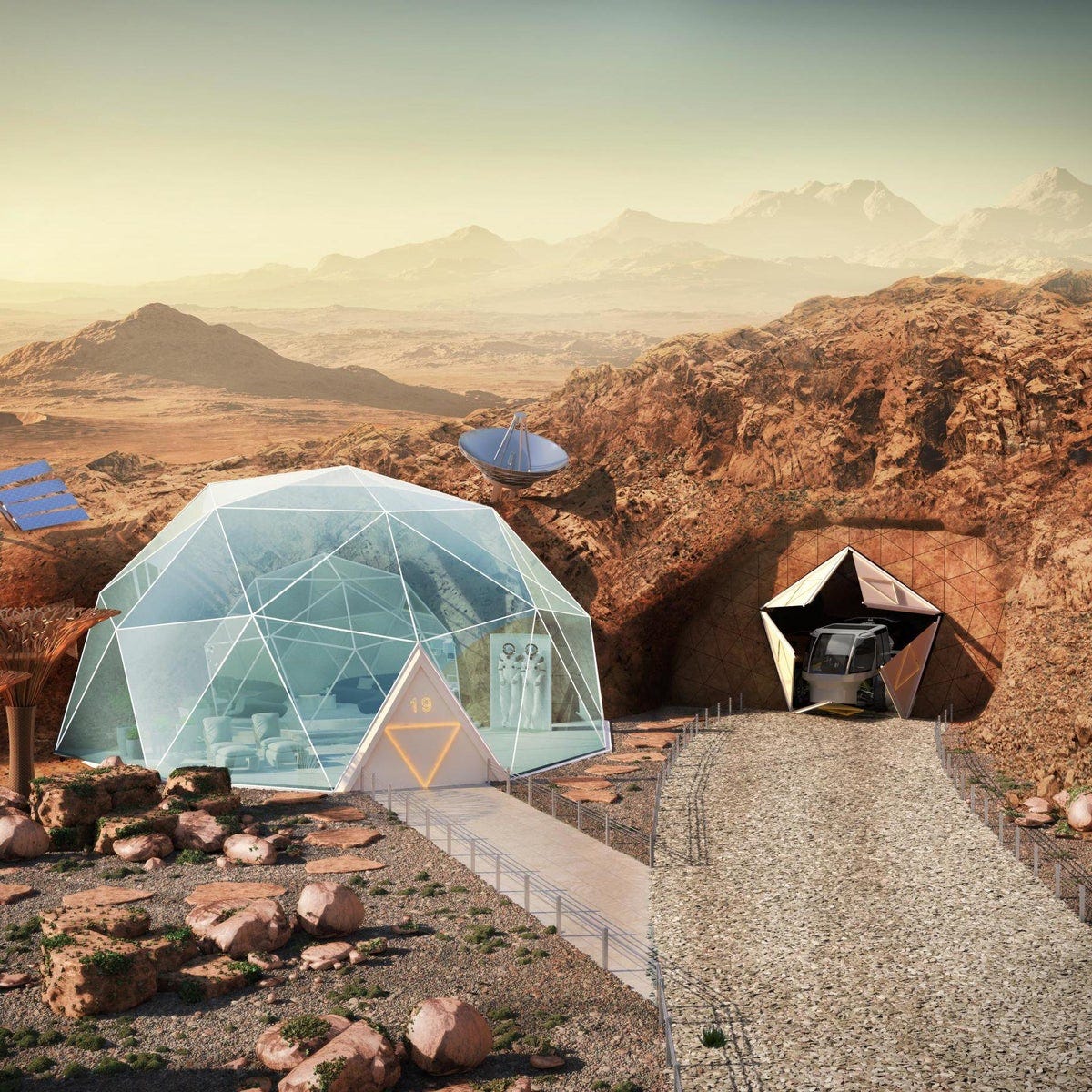
Could Babies Be Born on Mars?
Mars offers a different environment than space stations orbiting Earth. It has gravity, although only about 38% of Earth's gravity.
Some scientists believe that partial gravity could make pregnancy and childbirth easier than in complete weightlessness. However, Mars still presents major challenges, including radiation exposure, limited medical facilities, and unknown effects on long-term human development.
At present, the idea remains theoretical.
Ethical and Medical Questions
Even if technology eventually makes space pregnancy possible, significant ethical concerns remain.
Questions include:
- Is it safe to expose an unborn child to space conditions?
- How would medical emergencies be handled?
- What rights would a child born off Earth have?
- Could long-term space living affect physical or mental development?
These issues would require careful consideration before any attempt at human reproduction beyond Earth.
The Future of Human Reproduction in Space
Although no baby has been born in space yet, many scientists believe it may eventually happen as human exploration expands. Before that becomes reality, researchers will need to better understand fertility, pregnancy, fetal development, and childbirth in extraterrestrial environments.
What seems impossible today could become routine for future generations. Just as humans once dreamed of reaching the Moon, one day people may witness the first healthy birth beyond Earth.
Final Thoughts
Can babies be born in space? Theoretically, perhaps. Scientifically, we do not yet know for sure.
The challenges are significant, from microgravity and radiation to medical and ethical concerns. However, as technology advances and humans venture farther into the cosmos, this question may transform from a scientific mystery into a historic milestone.
For now, the first baby born beyond Earth remains one of the most intriguing possibilities in humanity’s journey to the stars.This topic is unique, science-focused, and works well for Medium because it combines curiosity, space exploration, and the future of humanity.
메타데이터
- post_id
- 4e311ac6f78d
- slug
- can-babies-be-born-in-space-exploring-one-of-humanitys-most-fascinating-questions-4e311ac6f78d
- url
- https://medium.com/@Savleen_kaur/can-babies-be-born-in-space-exploring-one-of-humanitys-most-fascinating-questions-4e311ac6f78d
- canonical_url
- https://medium.com/@Savleen_kaur/can-babies-be-born-in-space-exploring-one-of-humanitys-most-fascinating-questions-4e311ac6f78d
- author_url
- https://medium.com/@Savleen_kaur
- status
- ok
- fetched_at
- 2026-06-09 15:37:30