Infant CPR Guide: Step-by-Step Emergency Response
When it comes to the safety and well-being of our little ones, we all want to be prepared for any emergency that may arise. But do you know…
Infant CPR Guide: Step-by-Step Emergency Response
When it comes to the safety and well-being of our little ones, we all want to be prepared for any emergency that may arise. But do you know what to do if your infant suddenly stops breathing? Would you be confident in your ability to perform cpr for infants and potentially save their life?
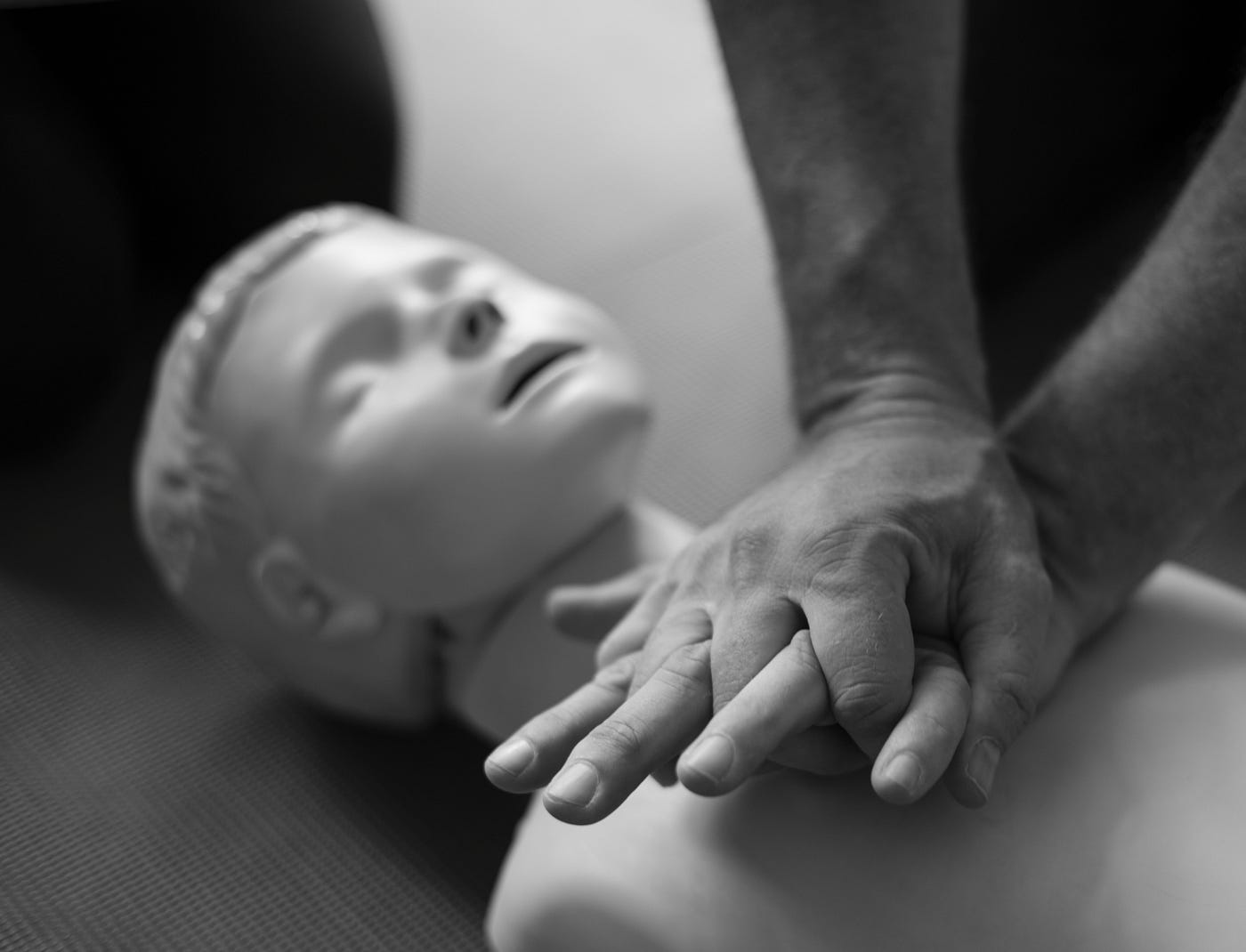
In this comprehensive guide, we will walk you through the step-by-step process of infant CPR and equip you with the knowledge and skills to respond confidently in an emergency. From understanding the importance of infant CPR to learning the correct techniques and recognizing cardiac arrest signs, we have you covered.
So, are you ready to learn the essential steps for performing CPR on a baby? Let’s dive in and empower ourselves with lifesaving skills!
Key Takeaways:
- Gaining knowledge and confidence in infant CPR is crucial for every caregiver.
- Understanding the correct procedures and techniques is essential for successful resuscitation.
- Recognizing the signs of cardiac arrest can help prompt immediate action.
- Taking safety precautions during CPR is vital for protecting the baby’s fragile body.
- Receiving proper training and certification ensures that you are equipped to handle emergencies involving infants.
Why Infant CPR is Crucial
When it comes to the safety of our little ones, knowing the proper steps and guidelines for infant CPR is crucial. In emergencies, every second counts, and being equipped with this life-saving knowledge can make a significant difference in the outcome for a baby in distress.
Infants have delicate bodies and unique needs that require specific techniques in cardiopulmonary resuscitation (CPR). By understanding the recommended infant CPR steps and guidelines, caregivers can act swiftly and effectively to provide the necessary support and potentially save a precious life.
Learning infant CPR steps is a vital skill that empowers parents, caregivers, and anyone responsible for the well-being of children. By knowing what to do in an emergency, you can provide immediate assistance until medical professionals arrive.
Infant CPR guidelines outline the proper procedures for handling cardiac arrest situations in babies. These guidelines cover essential techniques such as chest compressions and rescue breaths, tailored specifically to the needs of infants. By following these guidelines, caregivers can ensure the safety and well-being of infants during critical moments.
It’s important to remember that infants have underdeveloped respiratory and circulatory systems, making them more vulnerable to cardiac arrest. Having the knowledge and ability to respond promptly can be the difference between life and death in these situations.
Key Reasons Why Learning Infant CPR is Crucial:
- Infants are more susceptible to cardiac emergencies due to their fragile physiology.
- Immediate CPR can maintain blood flow and oxygenation, increasing the chances of a positive outcome.
- Infant CPR steps are different from those used for adults, requiring specialized knowledge for successful resuscitation.
- By learning infant CPR, caregivers can provide timely intervention and potentially prevent long-term complications.
- Infant CPR training creates a sense of empowerment, making individuals confident and calm in emergencies.
As caregivers, it is essential to prioritize the safety and well-being of infants. By understanding why infant CPR is crucial and familiarizing ourselves with the recommended steps and guidelines, we can be better prepared to respond effectively in emergencies and potentially save a young life.
Understanding Infant Resuscitation Procedures
When it comes to performing infant CPR techniques or pediatric CPR instructions, understanding the right procedures is crucial. In an emergency situation, knowing how to properly resuscitate a baby can mean the difference between life and death.
Maintaining Chest Compressions
One of the primary techniques in infant CPR is performing chest compressions. To do this:
- Place the baby on a firm, flat surface such as a table or the floor.
- Use two fingers (middle and ring fingers) to locate the center of the infant’s chest, just below the nipple line.
- Apply gentle pressure, compressing the chest about 1 ½ inches deep.
- Perform chest compressions at a rate of about 100–120 compressions per minute.
Delivering Rescue Breaths
Another important aspect of infant CPR is delivering rescue breaths. Here’s how:
- Ensure the baby’s head is in a neutral position, slightly tilted back.
- Seal your mouth over the infant’s mouth and nose. Remember to cover both with your mouth to create an airtight seal.
- Deliver two gentle breaths lasting about one second each, watching for the baby’s chest to rise.
- Continue chest compressions and rescue breaths in a 30:2 ratio until professional help arrives or the baby starts breathing on their own.
“In an emergency situation, every second counts. By understanding the infant CPR techniques and pediatric CPR instructions, caregivers can confidently respond and provide life-saving assistance.”
Remember, it’s important to follow these procedures carefully and practice infant CPR techniques regularly to ensure proficiency. By being prepared and knowledgeable, you can play a crucial role in saving a baby’s life.
Step-by-Step Guide to Performing CPR on a Baby
When it comes to performing CPR on a baby, time is of the essence. Knowing the correct steps to follow can make all the difference in saving a baby’s life. Here is a step-by-step guide to help you perform CPR on an infant:
- Assess the situation: Ensure that it is safe to approach the baby and check if they are responsive. Tap gently on their feet and shout their name to elicit a response.
- Call for help: If the baby is unresponsive and not breathing, call emergency services immediately. Time is crucial in an emergency.
- Position the baby: Place the baby on a firm, flat surface, such as the ground or a table. Ensure their head and neck are supported and their airway is clear.
- Give chest compressions: Using two fingers, place them in the center of the baby’s chest, just below the nipple line. Perform gentle compressions at a depth of about 1.5 inches, at a rate of around 100 to 120 compressions per minute.
- Give rescue breaths: Cover the baby’s mouth and nose with your mouth and give two gentle breaths. Watch for the rise and fall of their chest as you breathe into them.
- Continue cycles of compressions and breaths: Perform 30 chest compressions followed by 2 rescue breaths. Repeat this cycle until help arrives or the baby starts breathing on their own.
- Monitor the baby: Keep a close eye on the baby’s breathing and responsiveness while waiting for help. Adjust your actions accordingly if there are any signs of improvement or deterioration.
Remember, practicing these steps beforehand and receiving proper training can help you feel more confident and prepared in case of an emergency. Being able to perform CPR on a baby can be a life-saving skill.
Recognizing Infant Cardiac Arrest Signs
Recognizing the signs of cardiac arrest in infants is crucial for caregivers to determine when immediate CPR is necessary. By understanding these signs, you can be prepared to take swift action and potentially save a baby’s life.
1. Unconsciousness
The most apparent sign of cardiac arrest in a newborn or infant is unconsciousness. If the baby is unresponsive and not breathing or moving, it is a critical indicator that CPR should be initiated immediately.
2. Absence of Breathing
Infants experiencing cardiac arrest will not be breathing or gasping for air. Lack of breath is a clear indication of a life-threatening situation, reinforcing the need for CPR to restore normal respiratory function.
3. Cyanosis
Cyanosis, a bluish discoloration of the lips, face, or extremities, is caused by oxygen deprivation. This manifestation is particularly prominent in infants during cardiac arrest and serves as a visual cue to act promptly.
4. Unresponsiveness
Babies in cardiac arrest may not respond to touch, sound, or any other stimulation. It’s important to check for responsiveness by gently tapping the infant’s foot or shoulder and observing their reaction, or lack thereof.
5. Absence of Pulse
The absence of a palpable pulse in an infant is a strong indication of cardiac arrest. By carefully checking for a pulse at critical pulse points, such as the brachial artery located in the upper arm, you can confirm the need for CPR.
“Recognizing the signs of cardiac arrest in infants is the first step in providing lifesaving care. Acting quickly and confidently is crucial when it comes to initiating CPR for newborns and babies.”
By familiarizing yourself with these cardiac arrest signs, you can be better prepared to identify when CPR is necessary for newborns and infants. Time is of the essence in these emergencies, so being able to quickly assess the situation can make a life-saving difference.
Safety Precautions in Infant CPR
Performing CPR on an infant requires utmost care and attention to ensure the safety of the baby. By following these essential safety precautions, caregivers can effectively administer life-saving techniques without causing harm to the delicate infant.
Protecting the Baby’s Fragile Body
When performing infant CPR, it is crucial to support the baby’s head and neck properly. Place one hand on the forehead to keep the airway open, while using the other hand to support the neck. Avoid exerting pressure on the windpipe, as it can obstruct the airway and impede resuscitation efforts.
Using Gentle and Controlled Compressions
During chest compressions, ensure that your hands are placed in the center of the infant’s chest, just below the nipple line. Use gentle and controlled pressure, approximately one-third to one-half the depth of the chest, to avoid any injury to the baby’s ribs. Compressions should be performed at a rate of about 100–120 compressions per minute.
“Remember to be gentle and avoid excessive force to prevent any harm to the baby’s fragile body.”
Maintaining Proper Hand Placement
When delivering rescue breaths, create an airtight seal by covering the baby’s mouth and nose with your mouth. Administer gentle puffs of air, just enough to see the chest rise. Take care to not deliver excessive air, as it may cause stomach inflation and potentially lead to complications.
Preventing Cross-Contamination
Protect the baby and yourself by using a CPR barrier mask or a shield when providing rescue breaths. These devices act as a barrier, preventing direct contact and minimizing the risk of cross-contamination or infection.
Pausing and Checking for Effective Breathing
Regularly pause during the resuscitation process to assess for signs of effective breathing. Look for chest rise and fall, listen for breath sounds, and feel for exhaled air. If the baby begins breathing normally, stop the CPR and monitor the breathing until medical help arrives.
Calling Emergency Services
Remember to call emergency services or seek immediate medical assistance before starting infant CPR. Time is critical, and professional medical help should be informed of the situation as soon as possible.
By adhering to these safety precautions, caregivers can perform infant CPR confidently, knowing that they are providing proper care while safeguarding the well-being of the baby.
Common Mistakes to Avoid in Infant CPR
Performing infant CPR can be a nerve-wracking experience, especially in emergencies. It’s crucial to react quickly, but it’s equally important to perform the correct techniques accurately to increase the chances of successful resuscitation. Avoiding common mistakes while administering infant CPR can make a significant difference in saving a baby’s life.
1. Insufficient Depth and Rate of Compressions
One of the most common mistakes is not compressing the infant’s chest deeply enough or at the correct rate. Remember, for effective CPR, press down at least one-third the depth of the infant’s chest at a rate of about 100–120 compressions per minute.
2. Not Giving Rescue Breaths Correctly
When providing rescue breaths, ensure that you create a complete seal around the baby’s mouth and nose. Deliver gentle breaths to avoid overinflating the infant’s lungs, which can cause harm. Remember the ratio of 30 compressions to 2 rescue breaths in CPR.
3. Delaying Activation of Emergency Medical Services (EMS)
In emergencies, it’s essential to activate the EMS system immediately. Delaying or forgetting to call for professional assistance can reduce the baby’s chances of survival. Remember that minutes can make a significant difference.
“Performing infant CPR correctly is critical to saving a baby’s life. Remembering to compress the chest deeply, giving rescue breaths accurately, and activating the EMS system promptly are key factors in optimizing the chances of successful resuscitation.” — Dr. Emily Johnson, Pediatric Emergency Specialist
4. Not Checking for Pulse and Breathing
Before starting CPR, always check if the baby is unresponsive. Also, assess if the baby is breathing and has a pulse. Not checking for these vital signs before starting CPR can waste precious time and sometimes lead to unnecessary compressions.
5. Incorrect Hand Placement for Chest Compressions
Placing your hands incorrectly on the infant’s chest during compressions can affect the effectiveness of CPR. Remember to use two or three fingers in the middle of the infant’s chest, just below the nipple line, to ensure proper hand placement and maximize the impact of compressions.
By being aware of these common mistakes and focusing on performing infant CPR correctly, you can significantly increase the chances of saving a baby’s life. Remember to stay calm, follow the guidelines, and seek proper training to ensure you are equipped with the knowledge and skills to handle this crucial emergency situation.
Additional First Aid Measures
When performing infant CPR, there are additional first aid measures that can be taken to ensure the baby’s well-being. These techniques, in conjunction with CPR, can help maximize the chances of a successful resuscitation.
Clearing the Airway
One essential step in infant CPR is ensuring that the airway is clear. If you notice any obstruction, use your fingers to carefully remove the blockage. Be gentle to avoid causing any harm to the baby’s delicate throat or air passages.
Remember to tilt the baby’s head back slightly while ensuring the neck remains aligned with the spine. This position helps open the airway, allowing for better airflow during resuscitation.
Monitoring Vital Signs
While performing CPR, it is crucial to monitor the baby’s vital signs. Pay close attention to their breathing, pulse, and skin color. If you have a second person available, ask them to assist you in monitoring and documenting these vital signs.
Watch for any positive signs such as gasping breaths, coughing, or movements as these may indicate that the baby is responding positively to the CPR. Note any changes in pulse rate or skin color, and relay this information to emergency medical professionals upon their arrival.
Utilizing First Aid Tools
In some cases, additional first aid tools may be required to support the baby during CPR. These tools include barrier devices for rescue breaths, such as pocket masks or face shields. These aids help protect both the rescuer and the baby during resuscitation.
Having a readily accessible first aid kit with necessary tools and supplies is also crucial. Make sure the kit is well-stocked and easily accessible in case of emergencies, ensuring you have everything you need at hand to provide appropriate care.
Staying Calm and Focused
Throughout the process, it is essential to remain calm and focused. Performing infant CPR can be a stressful situation, but by staying composed, you are better able to provide the necessary care for the baby.
Remember to continuously reassess the baby’s condition and adjust your actions accordingly. Stay vigilant and flexible, adapting to any changes that may occur during the resuscitation process. Your ability to maintain composure is vital in providing the best possible care and ensuring the baby’s well-being.
By incorporating these additional first aid measures into your infant CPR response, you can enhance the effectiveness of resuscitation efforts and maximize the chances of saving a baby’s life.
Training and Certification
Receiving proper training and certification in infant CPR is of utmost importance. It equips caregivers with the necessary skills and knowledge to confidently respond in emergency situations. Fortunately, there are various courses and resources available to help individuals gain proficiency in pediatric CPR.
The **Allianz First Training** offers excellent training programs specifically tailored for infant CPR. These courses provide comprehensive instruction on how to perform CPR on a baby, emphasizing the proper techniques and guidelines to follow.
“Proper training and certification are crucial when it comes to infant CPR. It is essential to acquire the skills required to perform CPR correctly and confidently in the unfortunate event of an emergency.”
By obtaining proper training and certification, caregivers can ensure that they are well-prepared and capable of responding effectively to any emergency situation involving an infant. The knowledge gained through these courses and resources empowers individuals to provide the best possible care and potentially save a baby’s life.
Infant CPR in Different Emergency Situations
Performing infant CPR requires adapting techniques to various emergency situations, such as choking or drowning. It is essential to understand how to respond effectively to these scenarios. Here are some guidelines to keep in mind:
Choking Situations
When an infant is choking, prompt action is crucial. Follow these steps:
- Assess the Situation: Quickly determine if the baby is unable to breathe, cry, or make any sounds.
- Back Blows: Administer back blows by supporting the baby’s head and neck with one hand while giving firm blows between the shoulder blades using the heel of the other hand.
- Chest Thrusts: If back blows don’t work, perform chest thrusts instead. Place two fingers on the center of the baby’s chest, just below the nipple line, and give five quick, firm thrusts.
- Repeat: Alternate between back blows and chest thrusts until the object is expelled or help arrives.
In case of partial obstruction or an infant becoming unresponsive, follow the regular infant CPR steps.
Drowning Emergencies
If an infant is found unresponsive after a drowning incident, here’s what you should do:
- Remove from Water: Immediately take the baby out of the water while ensuring your own safety.
- Check Responsiveness: Verify if the baby is breathing or has a pulse by looking, listening, and feeling for at least five seconds.
- Initiate CPR: Begin CPR by giving 30 chest compressions followed by two rescue breaths. Continue this cycle until the baby starts breathing, or help arrives.
- Call for Help: If someone else is available, ask them to call emergency services immediately.
Note: In all emergency situations, it’s vital to call for professional medical help without delay. CPR is a temporary measure that can sustain the baby’s life until medical professionals take over.
Remember, adapting infant CPR techniques to different emergency situations can make a significant difference in saving a baby’s life. Stay calm, follow the appropriate steps, and seek professional assistance as soon as possible.
Conclusion
In conclusion, knowing how to perform CPR on infants is a critical skill that can save a baby’s life in emergency situations. By following the step-by-step guide provided in this article, caregivers can be prepared to respond quickly and effectively.
The importance of immediate response cannot be stressed enough. Time is of the essence when it comes to infant CPR, and every second counts. By recognizing the signs of cardiac arrest and acting promptly, caregivers can make a significant difference in the outcome.
It is essential to prioritize safety during the CPR process to avoid further harm to the baby. By understanding the common mistakes to avoid and taking necessary precautions, caregivers can optimize the chances of successful resuscitation.
Remember, receiving proper training and certification in infant CPR is crucial. By investing time and effort into acquiring the necessary skills, caregivers can be prepared to handle emergencies confidently and effectively. Being proactive and knowledgeable empowers caregivers to be the first responders in saving a baby’s life.
FAQ
What is the age range for infant CPR?
Infant CPR is performed on babies who are less than 1 year old.
How do I know if a baby needs CPR?
Signs that indicate the need for infant CPR include unresponsiveness, absence of breathing, and no pulse.
What should I do if I am alone with the baby and need to perform CPR?
If you are alone with the baby and need to perform CPR, start CPR for 2 minutes before calling emergency services.
How do I perform chest compressions on an infant?
To perform chest compressions on an infant, place two fingers in the center of the chest, just below the nipple line, and perform compressions at a rate of 100–120 compressions per minute.
How do I give rescue breaths to an infant?
To give rescue breaths to an infant, cover the baby’s mouth and nose with your mouth and provide two gentle breaths, watching for chest rise.
How deep should I compress the chest during CPR on a baby?
During CPR on a baby, compress the chest about 1 1/2 inches to 2 inches deep, allowing for full recoil between compressions.
How long should I continue CPR on a baby?
Continue performing CPR on a baby until the baby starts to breathe or until medical professionals take over.
Can I harm the baby while performing CPR?
It is important to perform CPR carefully and gently to avoid causing harm to the baby. Follow proper technique and guidelines to minimize the risk of injury.
How can I prevent choking in infants?
To prevent choking in infants, ensure that their food is cut into small pieces, avoid giving them small objects, and always supervise them during meals and playtime.
Where can I learn infant CPR?
Infant CPR training is available through various organizations, such as the Allianz First Aid Training, and community centers. Online courses and resources are also available.
메타데이터
- post_id
- 4e403adde8a0
- slug
- infant-cpr-guide-step-by-step-emergency-response-4e403adde8a0
- url
- https://medium.com/@Vijethapulukuri/infant-cpr-guide-step-by-step-emergency-response-4e403adde8a0
- canonical_url
- https://medium.com/@Vijethapulukuri/infant-cpr-guide-step-by-step-emergency-response-4e403adde8a0
- author_url
- https://medium.com/@Vijethapulukuri
- status
- ok
- fetched_at
- 2026-07-20 06:35:57